
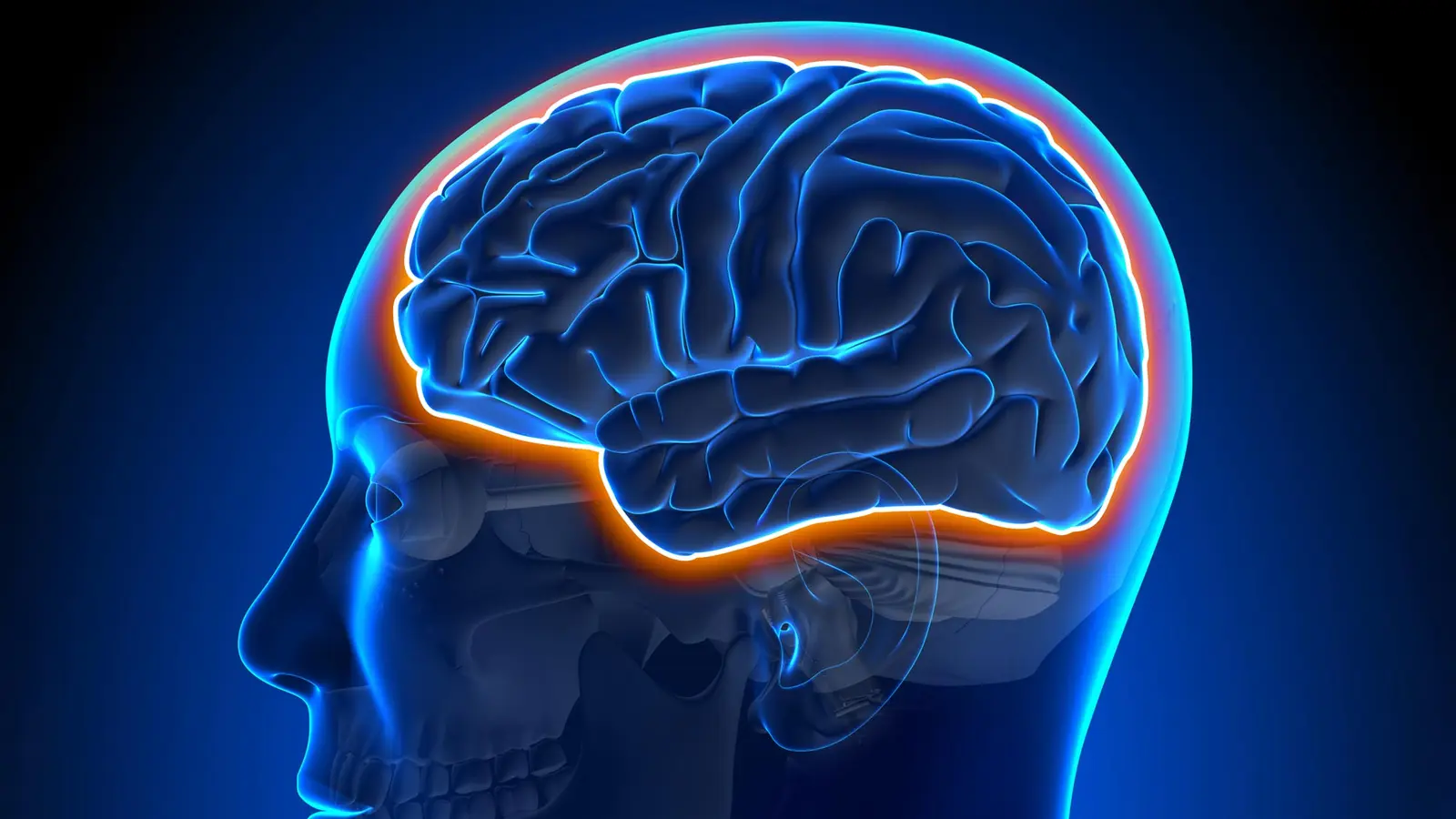
Exercise protects more than muscles. It literally tightens the brain's defenses.
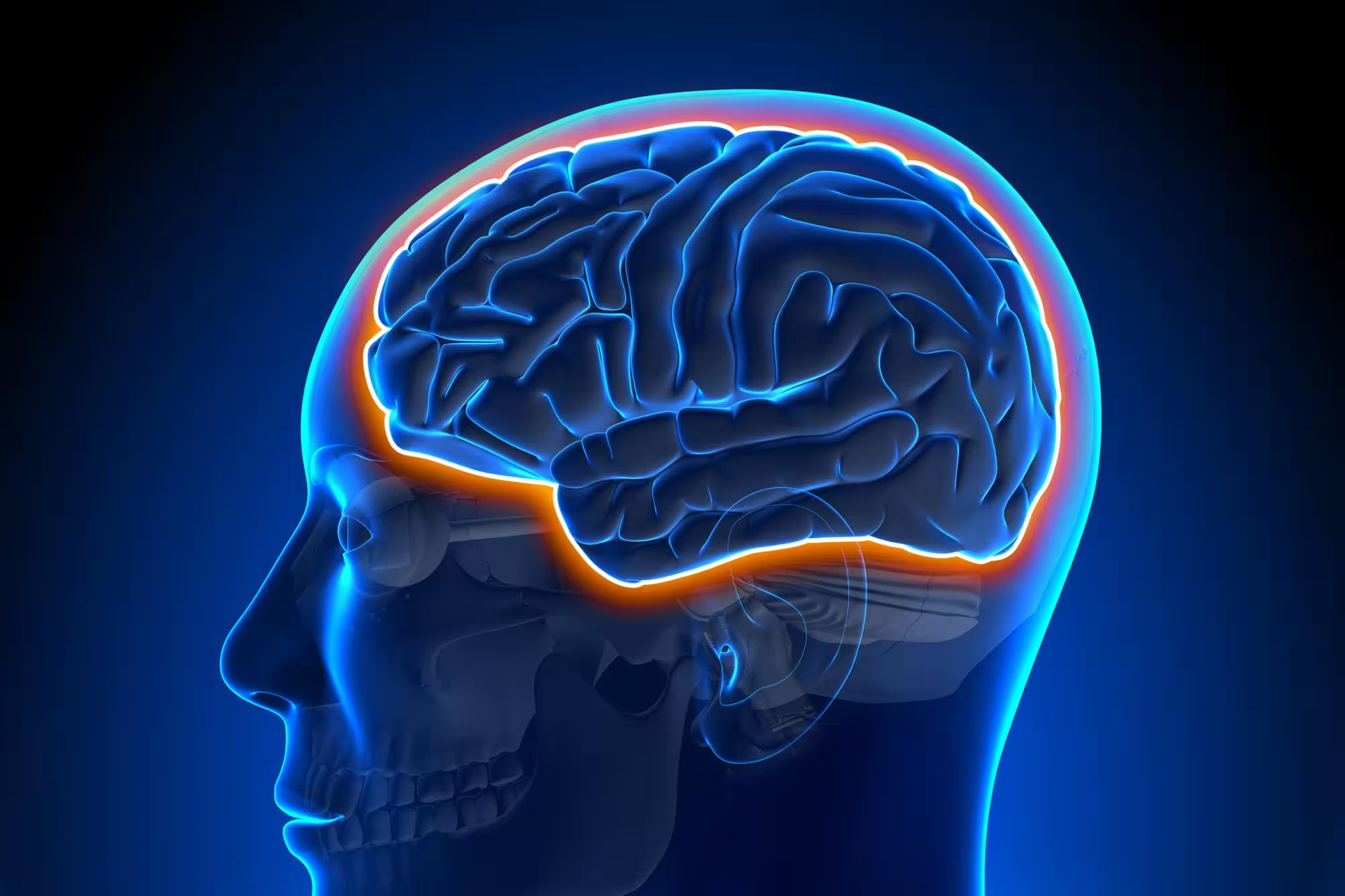
Scientists have uncovered a surprising explanation for why exercise keeps the brain sharp as we age. The key lies in the blood-brain barrier, a protective lining of blood vessels that normally shields the brain from harmful substances.
As people and animals grow older, the microvasculature that insulates brain tissue becomes fragile. Small gaps start to appear where once there was an almost hermetic seal between blood and neurons. When that barrier loosens, blood-borne molecules slip through, immune cells notice, and inflammation follows. Over months and years this kind of chronic inflammation is tied to memory loss and to neurodegenerative conditions such as Alzheimer’s disease.
Researchers at the University of California, San Francisco, have traced a biochemical chain that links physical activity to a tighter blood-brain barrier. The discovery began with an odd observation in mice: animals that exercised produced higher levels of an enzyme, called glycosylphosphatidylinositol-specific phospholipase D1 — GPLD1 — in their livers. GPLD1 itself does not enter the brain, so the question was simple and nagging: how can a liver enzyme, circulating in blood, improve cognition?
From liver to vessels: the TNAP connection
The answer, the UCSF team found, is indirect but elegant. GPLD1 trims specific proteins from cell surfaces. One such protein, tissue-nonspecific alkaline phosphatase (TNAP), accumulates on the endothelial cells that form the blood-brain barrier as animals age. The researchers showed that excess TNAP compromises barrier integrity, making it leakier.
When mice ran voluntarily on wheels, their livers released more GPLD1 into the bloodstream. That enzyme docks at the blood-facing side of brain vessels and cleaves TNAP from cell membranes. With TNAP levels reduced, the barrier reseals. The cascade ends with measurable benefits: less leakage, lower neuroinflammation, and improved performance on memory and learning tests.
To prove causation, the team did the reverse experiments. Young mice engineered to overproduce TNAP in brain endothelial cells developed cognitive deficits resembling age-related decline. Conversely, old mice — the rodent equivalent of someone in their seventies — improved when the researchers used genetic tools to lower TNAP. The barrier tightened, inflammatory markers dropped, and behavior improved.
This body-to-brain signaling reveals a mechanism by which exercise yields durable protection for cognition.
Saul Villeda, PhD, associate director of UCSF's Bakar Aging Research Institute and the study's senior author, emphasized the broader lesson: the brain does not age in isolation. Peripheral organs, especially the liver, play active roles in shaping neural health. The paper reporting these results appeared in Cell on February 18, 2026.
Implications for therapies and Alzheimer’s research
The findings shift one way researchers might approach age-related cognitive decline. For decades, Alzheimer’s efforts have targeted plaques, tangles, and neurons directly. This study suggests an alternate entry point: restore the blood-brain barrier. If drugs could mimic GPLD1's effect or selectively lower TNAP at the vessel wall, they might curb neuroinflammation even after leakage has begun.
That said, translational hurdles remain. The work so far is preclinical and carried out in mice. Human brains and vasculature are more complex, and long-term safety of manipulating cell-surface proteins is unproven. Still, the mechanism explains why something as low-tech and widely available as regular aerobic exercise produces consistent cognitive benefits across epidemiological studies.
Practical takeaways are clear: staying active is not only good for heart and metabolism but may also preserve the brain’s microscopic plumbing. Clinical researchers will now be looking for biomarkers — measurable signals in blood or imaging that indicate TNAP buildup or barrier leakiness — and for compounds that can target this pathway without harming other tissues.
Expert Insight
'The elegance of this mechanism is that it links everyday behavior to molecular events at a specific cell type,' says Dr. Mira Patel, a neurologist and vascular-biology researcher not involved in the study. 'It reframes how we think about therapy. Instead of trying to chase down every pathological protein inside the brain, we can also fortify the walls that keep those proteins out.'
Future research will test whether increasing GPLD1 pharmacologically, or designing molecules that remove TNAP selectively from brain endothelium, has the same benefits in larger mammals and, eventually, humans. Meanwhile, the simplest recommendation stands: a routine that includes sustained aerobic activity likely does more than preserve mood and mobility — it helps keep the brain sealed and resilient.
The science is evolving. So is the advice: move more, protect the barrier, and buy time for tomorrow's therapies to catch up.

“The cosmos has always fascinated me. I write about space missions, astronomy, and the technologies pushing humanity beyond Earth.”

Discussion
Leave a Comment