
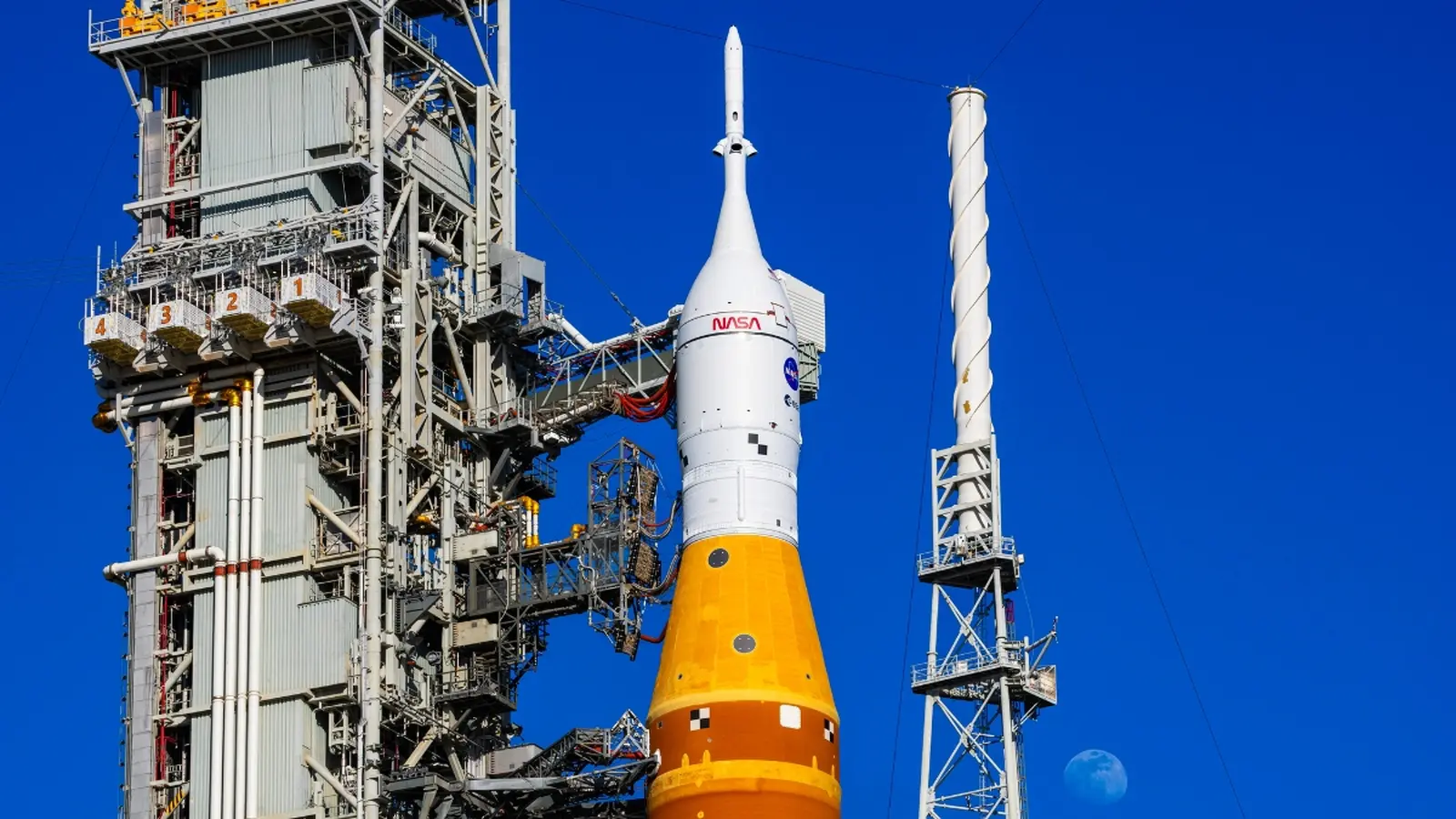
The drive across Kennedy Space Center will be slow. Very slow. NASA plans to roll the Space Launch System back to the Vehicle Assembly Building this week for fresh diagnostics and repairs after engineers detected a helium-system malfunction following a repeat fueling test.
Technicians had just finished troubleshooting persistent hydrogen leaks — a dangerous problem that demanded multiple fueling rehearsals — and had tentatively targeted March 6 for launch. Then the helium supply to the rocket's upper stage, which is essential for engine purging and tank pressurization, suddenly showed signs of disruption. Without reliable helium flow, the team cannot certify the vehicle for a crewed flight.
NASA confirmed the rollback will likely happen Tuesday, weather permitting, and called the move necessary to "determine the cause of the issue and fix it." Returning the 322-foot rocket to the hangar allows engineers better access to plumbing, valves and sensors than the pad provides. The agency says the action preserves an April launch attempt, but cautioned that final timing will hinge on repair progress and the tight monthly launch windows available for the lunar trajectory.

NASA Administrator Jared Isaacman, left, walking at the Kennedy Space Center launch pad on Saturday, 21 February.
What’s at stake is clear: Artemis II will carry four astronauts — three Americans and one Canadian — on a circumlunar flight that would mark the first time people have traveled to the Moon since Apollo. The crew remains on standby in Houston while the ground team chases down plumbing quirks and system anomalies on the vehicle and its mobile launcher.
Technical context
Helium may seem minor to the untrained eye, but in launch operations it’s a linchpin. It’s an inert gas used to purge residual propellants from engine plumbing and to pressurize cryogenic tanks so that fuel and oxidizer move predictably into turbopumps. Loss of steady helium pressure can prevent reliable engine starts and can mask leaks that become dangerous under flight conditions.
Hydrogen leaks were the earlier headline: LH2 (liquid hydrogen) is notoriously difficult to contain because it’s the smallest molecule and leaks through seals that otherwise seem tight. Engineers ran repeated wet dress rehearsals — cyclical fueling and defueling — to find and seal those leak paths. Once those fixes looked stable, the helium anomaly emerged, forcing the quick rollback.
The pause is inconvenient but standard practice. Spaceflight tolerates no shortcuts when astronauts’ lives are involved. Teams will inspect valves, manifolds and instrumentation, replacing components and revalidating cryogenic systems before approving a new launch date. The schedule will depend on checks and re-tests. The larger lesson: hardware reveals itself slowly, often in stages, and each stage demands patience and vigilance.

“My work centers on sustainability, energy, and environmental science — examining how innovation can lead to a greener future.”

Discussion
Leave a Comment