
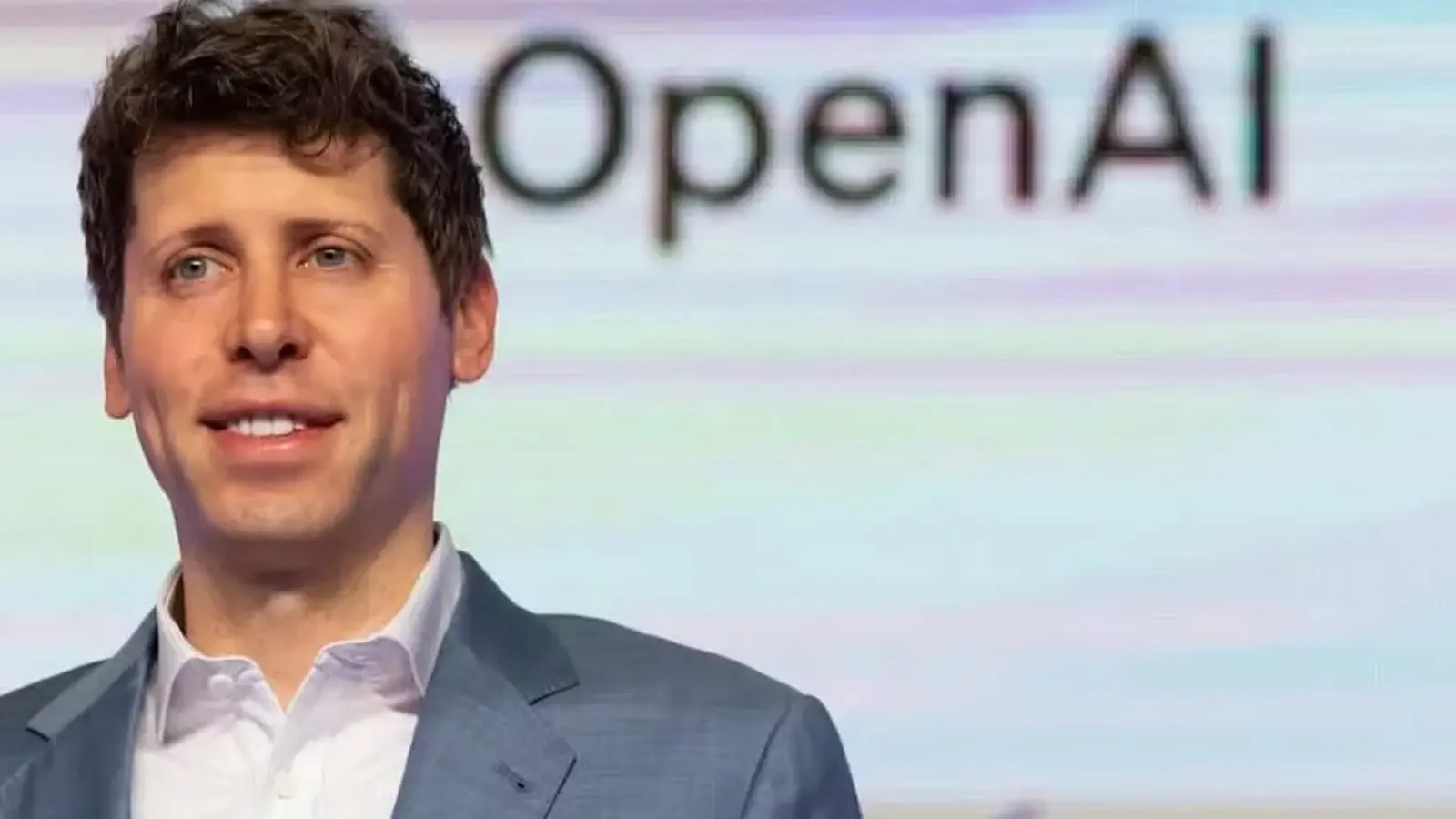
OpenAI just recruited the consulting world’s heavyweights. Accenture, Boston Consulting Group, Capgemini and McKinsey have joined a multiyear initiative called Frontier Alliances to help push OpenAI's enterprise platform into large organizations.
Frontier is being pitched not as another chatbot, but as an orchestration layer that binds scattered data and legacy systems. Think of it as a conductor that lets AI agents move through an organization, pick up context, and complete tasks on behalf of users. Some of those agents can act autonomously, executing workflows instead of just suggesting answers.
Why bring consultancies into the loop? Because deploying AI at scale is a people and process problem as much as a technical one. Consulting firms bring domain knowledge, change management muscle and client relationships. They will embed with OpenAI engineers inside enterprises to tailor Frontier to real business needs, not just lab demos.
Len Guan, Accenture's chief of AI and data, called the effort an example of how product teams and strategy consultancies can move in step to accelerate real-world adoption. The message is simple: technology alone rarely flips the enterprise switch. Implementation does.

OpenAI has been explicit about the business play. Its CFO recently said enterprise customers account for roughly forty percent of revenue today, and she expects that share to climb toward fifty percent by year end. Financial terms of the consultancy arrangements were not disclosed. Still, the move reads like a strategic pivot to deepen OpenAI's enterprise foothold and to sharpen its competitiveness with rivals such as Google and Anthropic.
On the ground, the partnership model looks practical. Consulting firms will form dedicated squads, invest in operations teams and train personnel to earn OpenAI certifications. OpenAI engineers with deep technical expertise will work inside client environments, aligning Frontier-driven solutions to security, compliance and legacy constraints. The aim is less about selling a product and more about delivering an operational capability that sticks.
OpenAI is betting that trusted consultancies will be the lever that turns Frontier from a platform into a repeatable enterprise practice.
So what changes for CIOs and business leaders? Deployments become a joint endeavor: vendor, consultant and customer share the risks and the integration work. That can speed timelines, but it also raises questions about governance, data residency and long term vendor lock-in. Are companies ready to hand more operational control to autonomous agents? Few answers are tidy.
The bigger picture is clear: the next chapter of AI adoption is not just about model size or accuracy. It is about distribution, integration and organizational craft. Expect the consulting arms race to get louder as every major vendor looks to embed AI into core processes. The stakes are corporate productivity, and the prize will go to whoever translates lab breakthroughs into reliable, everyday systems.


“I cover emerging technologies, digital innovation, and the intersection of tech and everyday life. My goal is to make complex trends accessible and inspiring.”

Discussion
Leave a Comment
Comments (2)
So they want agents to run stuff autonomously... are CIOs really ready to cede that control? privacy, governance, vendor lock in — no easy answers
wow didnt expect Accenture & co to roll in so hard. smart move but kinda scary, vendor lockin, opaque autonomy? if thats real who audits it, who pays? hmm