
4 Minutes
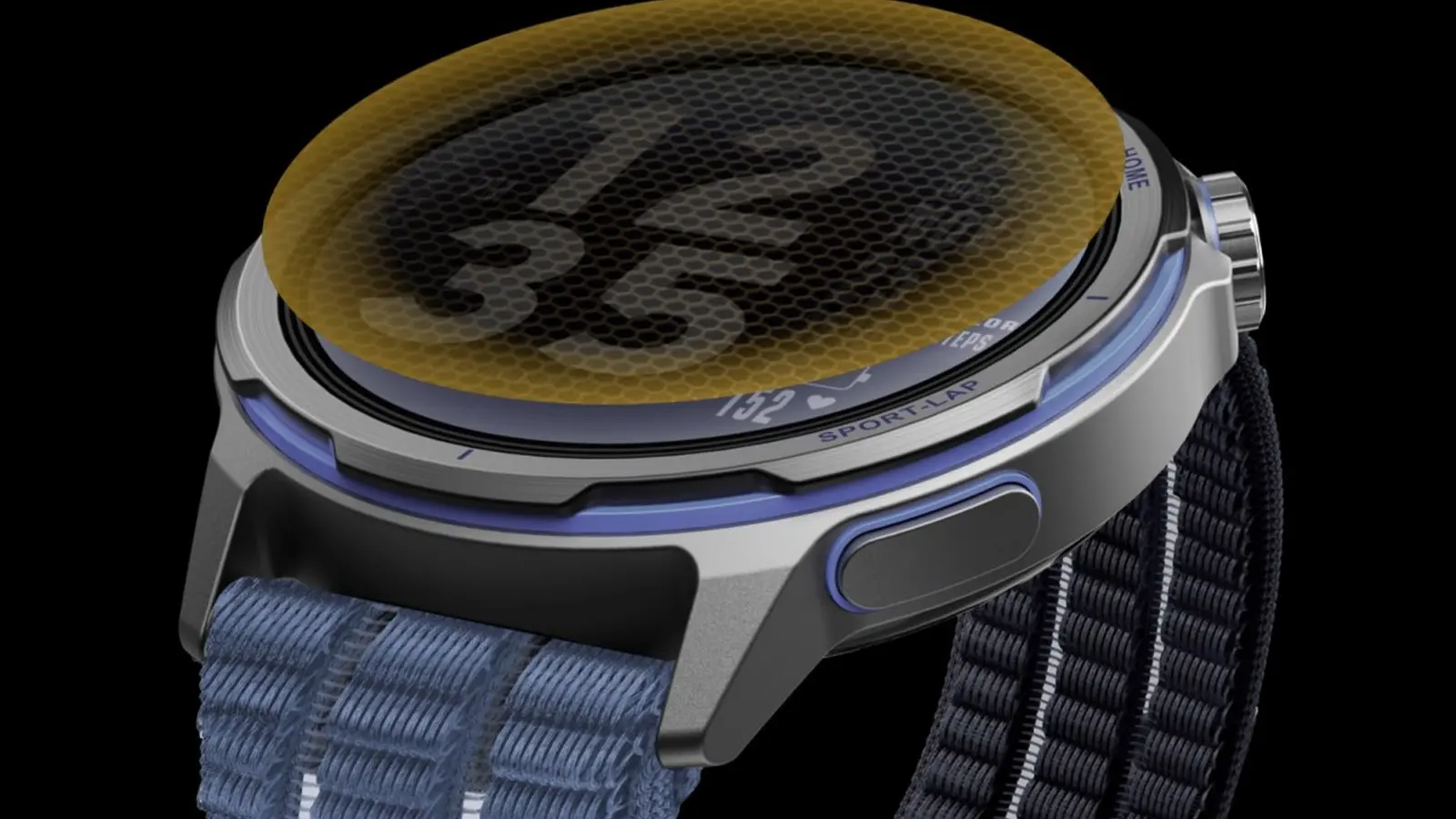
A runner’s watch that behaves like a pit crew. Huawei’s Watch GT Runner 2 arrives with one goal: keep your route true and your training smarter. Short of handing you a stopwatch, it borrows ideas from elite athletes and lab-grade sensors to make long runs less guesswork and more data.
Huawei didn’t just tweak the internals. The company rebuilt the positioning system around a new 3D floating antenna and an optimized gasket design. The promise is simple and bold: better signal lock in tunnels, under tree canopies and city canyons. Paired with an inertial positioning algorithm that leans on accelerometer and gyroscope data, the watch can fill gaps when satellites are briefly out of sight. The result is more faithful traces and fewer mysterious route jumps.

Yes, Eliud Kipchoge had input. The marathon legend and the DSM-Firmenich Running Team helped shape the Runner 2’s coaching features, which go beyond pace charts. Intelligent Marathon Mode serves dynamic pace guidance, running power estimates, and smart refuel nudges. There’s also a first-for-Huawei real-time lactate threshold detection — that anaerobic metric coaches obsess over because it signals fatigue and helps schedule effort.
On the health side, Huawei layers its TruSense sensor suite across heart rate, ECG, SpO2, respiratory rate, sleep and stress tracking. It’s the sort of telemetry you’d expect on a premium sports watch, but presented in a way that complements training rather than overwhelms it.
 |  |  |
The GT Runner 2 pairs pro-level GPS with two-week battery life — rare in one package.
Key specs
- 1.32-inch AMOLED touchscreen; 43.5mm casing; 3,000 nits peak local brightness; 2nd-gen Kunlun Glass
- Titanium case, metal bezel; 43.5 g weight; 10.7 mm thickness; 40 m water resistance
- 3D floating GPS antenna, dual-band satellite positioning, inertial algorithm for tunnel/covered area tracking
- TruSense sensors: heart rate, ECG, SpO2, respiratory rate, sleep, stress; real-time lactate threshold detection
- 540 mAh Si-C battery: up to 14 days light use, ~32 hours continuous GPS
- Onboard speaker for calls, NFC (Curve Pay available in UK), iOS and Android compatibility
- Colors: Dawn Orange, Dusk Blue, Midnight Black; price: £350; limited launch offers available

Huawei has clearly aimed this model at runners who want accuracy without lugging a phone. Dual-band GNSS and independent navigation mean guided workouts and route tracking can continue even when you leave your phone behind. And while 3.5x antenna improvement sounds like marketing-speak, the combination of hardware and software updates should be evident on routes that used to confound wrist GPS.

Design choices underline that ambition. The use of titanium and Kunlun Glass keeps the watch light but durable. A bright AMOLED and a battery that stretches to two weeks make it practical for everyday wear, not just race day.
Availability starts now at £350, with a limited Huawei Store offer that shaves £30 off and throws in an extra strap for early buyers until April 19. If you run enough to care about accurate splits and recovery signals, the GT Runner 2 is worth a look.
Source: gsmarena


Comments
Reza
Sounds promising but 32 hrs GPS vs 14 days normal, how clunky is it when you actually use it? Price seems fair at £350, need a hands-on test
datacog
Whoa, legit feels like a pit crew on your wrist. If that GPS holds up in tunnels tho... curious, and Kipchoge input is cool but show me real runs

Leave a Comment