
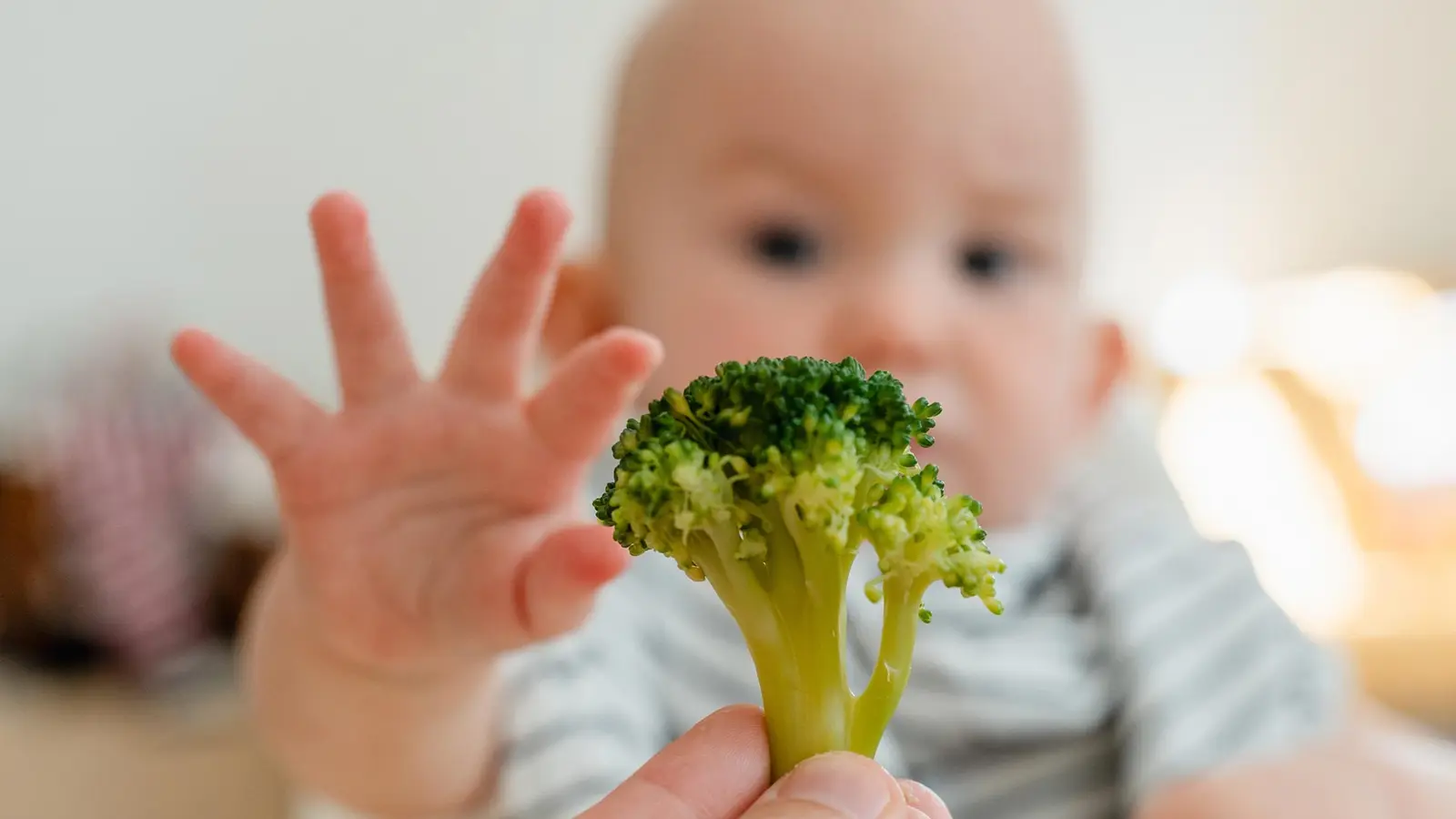
A sweeping national study of nearly 1.2 million infants challenges long-standing concerns about plant-based diets in early childhood.
Parents and pediatricians have long asked whether skipping animal products could slow a baby's rapid first years of growth. The question is urgent: infancy is a time of exponential change, when weight, length and brain development race forward. New population-scale evidence from Israel now offers reassurance while also pointing to practical safeguards.
Researchers at Ben-Gurion University of the Negev, working with the Nutrition Division of the Israeli Ministry of Health, analyzed routine health records collected over a decade (2014–2023). That database covers roughly 70% of the nation's children and lets scientists move beyond small clinical samples to see real-world trends across an entire population. Their paper appears in JAMA Network Open.

Estimated Probabilities of Stunting, Underweight, and Overweight Across the First 24 Months of Life by Family Dietary Patterns.
The headline: by 24 months, children from vegan and vegetarian households were growing at nearly the same rates as children in omnivorous homes. Across standard measures—weight-for-age, length/height and head circumference—the differences were small and not clinically meaningful. Statistically, average gaps were below thresholds the World Health Organization uses to flag concern (WHO z-score < 0.2), and many of those small differences shrank further once researchers adjusted for birth weight.
That does not mean every month looks identical. Infants in vegan households showed a modestly higher chance of being underweight during the first 60 days of life (adjusted odds ratio 1.37). The early gap, however, narrowed steadily, and by two years of age there were no significant differences in stunting probability. Measured stunting rates at 24 months were low across the board: 3.1% in omnivores, 3.4% in vegetarians and 3.9% in vegans.
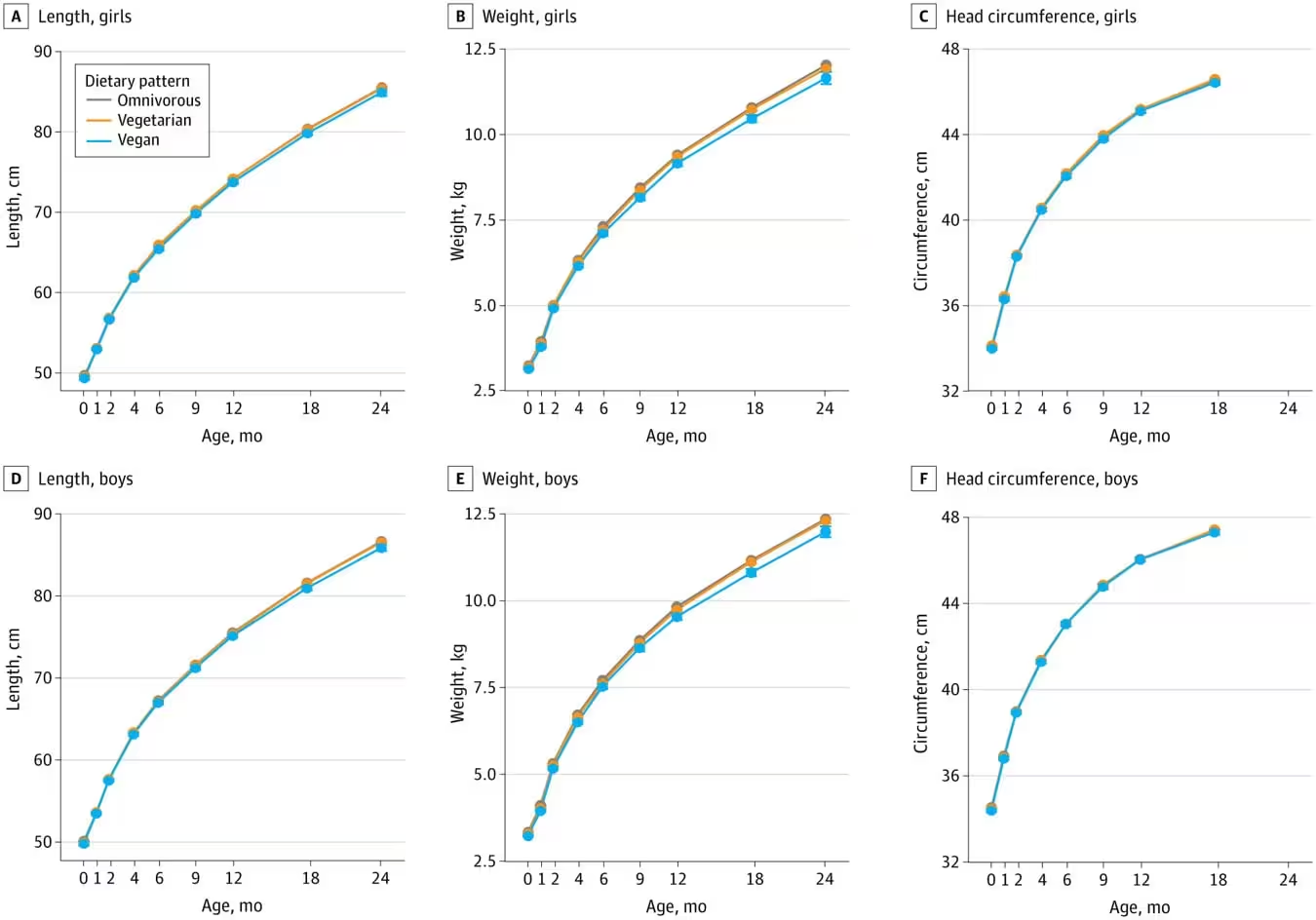
Crude Monthly Means of Anthropometry at Routine Ages by Family Dietary Patterns.
What this means for families and clinicians
Numbers tell a story, but context writes the footnotes. The Israeli data come from a high-income healthcare system where families have access to prenatal care, pediatric follow-up and nutrition counseling. The researchers emphasize that careful dietary planning, supplementation when appropriate, and guidance during pregnancy and infancy make the difference between a marginal risk and healthy growth.
"In the context of developed countries, these findings are highly reassuring," said Kerem Avital, the study's lead researcher and a PhD candidate at Ben-Gurion University. The takeaway is practical rather than ideological: plant-based diets can support normal early growth—if they are deliberate about meeting infants' nutrient needs.
That caveat matters. Iron, vitamin B12, protein quality and caloric density are practical considerations for any caregiver choosing a vegan or vegetarian path. Pediatricians and dietitians can help families tailor complementary feeding, monitor growth trajectories, and recommend supplements when necessary. For policymakers and public-health advisors, the study offers population-level evidence that supports inclusive dietary guidance without automatically flagging plant-based families as at risk.
As plant-based diets become more common globally, this large-scale analysis helps shift the conversation from fear to nuance. It asks a different question: not whether veganism is inherently dangerous for infants, but how healthcare systems, education and access to nutrition advice can ensure every child reaches their growth potential.
Kerem Avital and Prof. Danit Shahar provided the population framework; the data leave room for individual attention. Which is exactly where thoughtful parenting and good medical care should begin.

“The cosmos has always fascinated me. I write about space missions, astronomy, and the technologies pushing humanity beyond Earth.”

Discussion
Leave a Comment