
5 Minutes
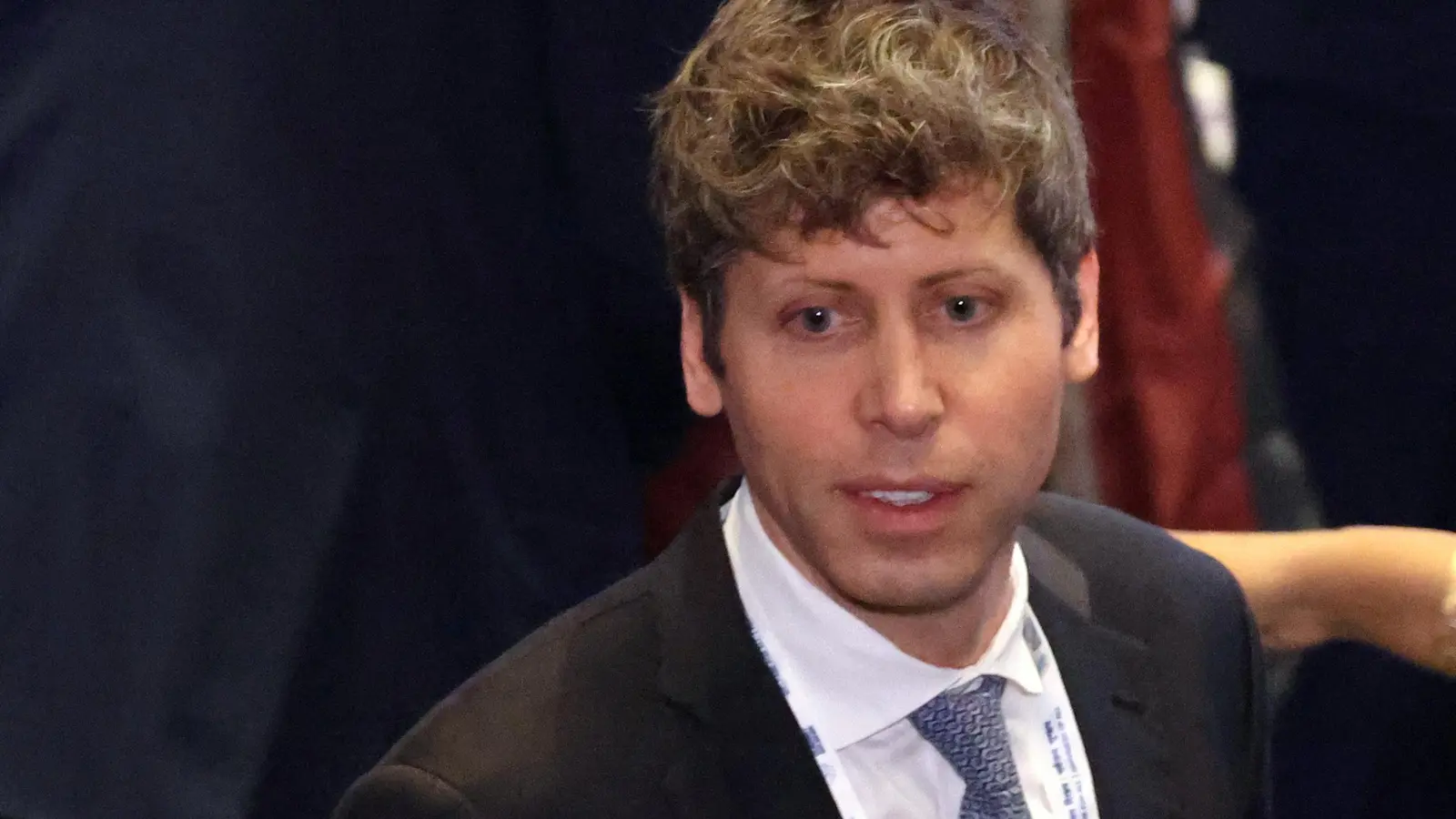
Sam Altman doesn’t usually sound like a man bracing for a courtroom fight. This time, he did.
After backlash over OpenAI’s newly revealed work with the U.S. Defense Department, the CEO says the company will rewrite its agreement to make one point impossible to miss: OpenAI’s AI systems are not to be used for mass surveillance of Americans.
Altman posted an internal memo—originally sent to staff—laying out the change. The updated language, he says, will explicitly bar intentional domestic surveillance of U.S. persons and nationals, tying the restriction to existing legal guardrails like the Fourth Amendment, the National Security Act, and the Foreign Intelligence Surveillance Act (FISA).
The memo’s proposed wording is unusually direct for a government contractor. It states that, consistent with applicable U.S. law, the AI system “shall not be intentionally used for domestic surveillance of U.S. persons and nationals.” It also adds a clarifying line meant to shut down loopholes, emphasizing that the ban includes deliberate tracking or monitoring, even when it’s fueled by commercially purchased personal or identifiable information.
A contract tweak—and a line in the sand
Altman also claims the Defense Department confirmed something else that critics immediately worried about: OpenAI’s services will not be routed to U.S. intelligence agencies like the NSA under the current deal. If that ever changed, he says, it would require a contract modification.
Then came the sentence that made the rounds fastest: Altman wrote that if he received an order he believed to be unconstitutional, he’d rather go to jail than comply. It’s a dramatic framing, sure—but it’s also a signal that OpenAI is trying to draw a bright line between “defense work” and “domestic monitoring,” a distinction that tends to blur the moment AI enters the picture.
He also conceded the rollout was a mess. In his own telling, OpenAI pushed the announcement out too quickly—he said the issues are “super complex” and need clearer communication. The intent, he argued, was to de-escalate a tense situation and prevent “a much worse outcome.” Instead, the timing made the deal look opportunistic.
And the timing really was something. OpenAI’s partnership surfaced just after President Donald Trump ordered U.S. government agencies to halt use of Anthropic’s Claude and other Anthropic services. Anthropic, notably, has been working with the federal government since 2024.
Anthropic, guardrails, and the political pressure cooker
The deeper story here isn’t just one contract clause—it’s the widening split between major AI labs over what they will (and won’t) allow their models to do in government hands.
According to the reporting relayed in Altman’s memo, Defense Department leadership and Secretary Pete Hegseth had been pressuring Anthropic to weaken Claude’s safety guardrails so the model could be used for any “lawful” purpose. The list of “lawful” use cases, in this context, reportedly included mass surveillance and work toward fully autonomous weapons.
Anthropic refused. In a statement, the company said “no amount of intimidation or punishment” would change its position on mass domestic surveillance or fully autonomous weapons. Trump’s order followed, and the Defense Department reportedly began early steps to label Anthropic a “supply chain risk”—a designation more commonly aimed at foreign (often Chinese) firms suspected of government ties.
Altman says he told U.S. officials that Anthropic shouldn’t be tagged as a supply chain risk, and that he hoped the Pentagon would offer Anthropic the same kind of deal OpenAI accepted. In a weekend AMA on X, he added a caveat: he doesn’t know the fine print of Anthropic’s agreement, or how it differs. But if it were effectively the same, he believes Anthropic should have taken it.
That’s not just a policy dispute—it’s competitive theater, playing out in public.
After news of OpenAI’s Defense Department deal broke, Claude surged to the top of Apple’s App Store Top Free Apps chart, jumping ahead of ChatGPT and Google Gemini. Anthropic moved quickly to capitalize, launching a memory import tool designed to make switching chatbots less of a hassle. Meanwhile, ChatGPT uninstalls spiked 295% day-over-day, according to Sensor Tower.
In other words: this isn’t only a debate about constitutional limits and contract language. It’s also about trust—and how fast it can evaporate when users feel like the guardrails might be negotiable.


Comments
Marius
Is that "shall not be intentionally used" line even enforceable? if that’s real then what counts as "intentional"… feels vague, curious
datapulse
Wow, Altman saying he'd rather go to jail? bold move. Still smells like PR spin tho, contract tweak won't erase trust issues. messy rollout

Leave a Comment