
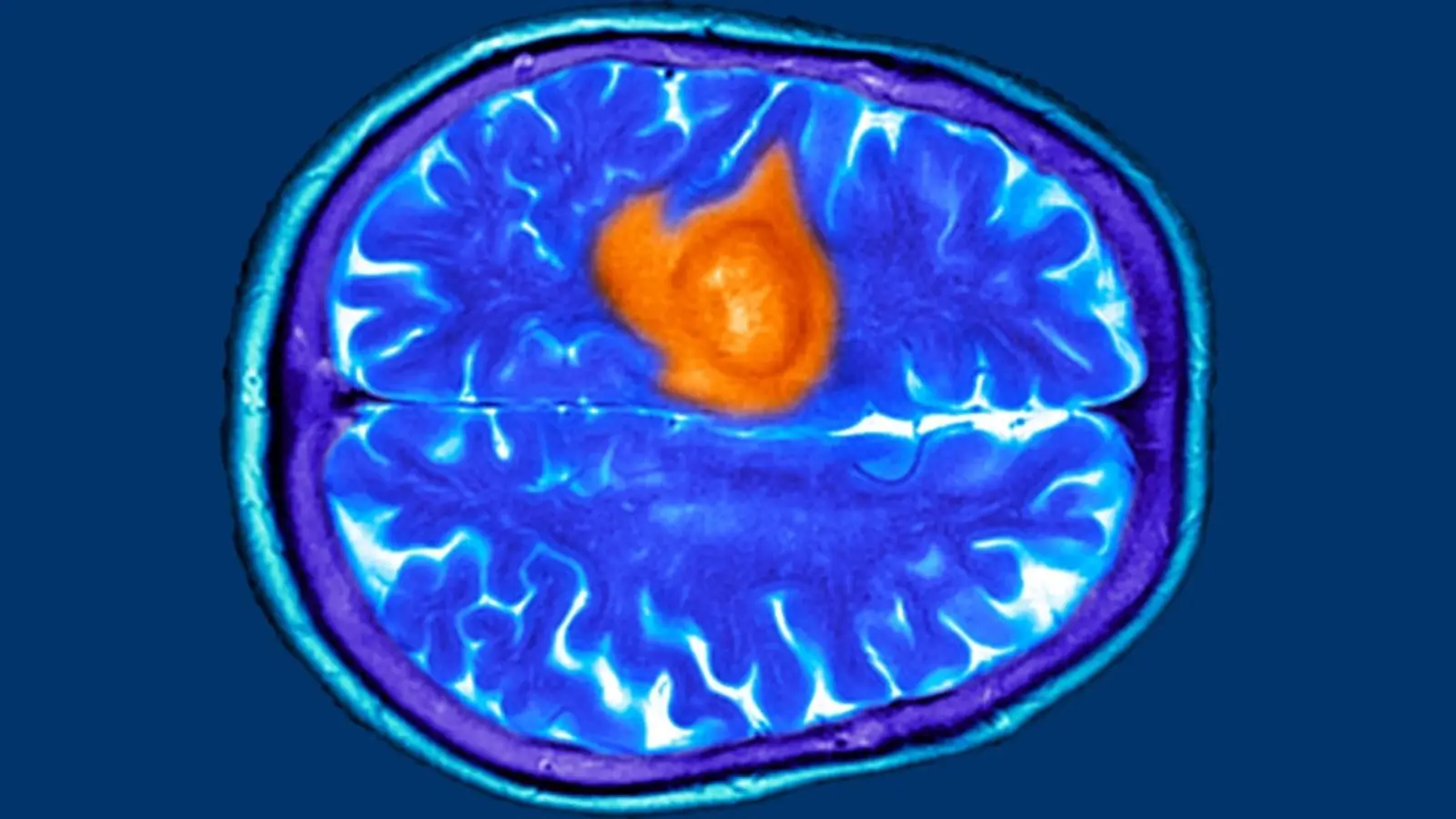
Most of us shrug off a missed word, a foggy morning, or a stubborn headache. These common experiences are usually harmless, yet in rare cases they can be early clues to a brain tumour. Knowing which subtle changes to watch for can shorten the path to diagnosis and treatment.
Why early detection of brain tumours is so difficult
Brain tumours are uncommon, and their early symptoms often mirror everyday problems: stress, poor sleep, migraines or hormonal shifts. That overlap makes early recognition hard for patients and clinicians alike. Research and patient accounts show a pattern: vague symptoms are frequently dismissed or attributed to more common conditions, which can delay referral for scanning or specialist review.
Even when symptoms are troubling, people may wait weeks or months before seeking care because GP appointments are limited or because the changes feel explainable — "I’m tired," "It’s just stress," or "I need new glasses." But when several unusual signs appear together, or when a symptom is out of character and persistent, it should prompt a medical check.
Seven easy-to-miss symptoms patients reported
Below are seven warning signs drawn from patient stories and clinical patterns. Having one or more does not mean you have a brain tumour. Still, these changes are worth noting if they are new, persistent, or unexplained.
1. Trouble finding words
Some people notice they pause more often in conversation, struggle to name objects, or can’t form clear sentences. These language issues can feel strange and unsettling — one patient wrote their symptoms down because they couldn’t say them out loud. Word-finding difficulty may stem from fatigue or stress, but sudden onset or progressive decline in speech deserves prompt assessment.
2. Persistent brain fog
Patients often describe a general cloudiness: poor concentration, slower thinking and short-term memory lapses. One person booked a GP appointment but forgot why they’d made it when the day arrived. Brain fog has many causes — menopause, sleep problems, depression — but when it appears with other neurological changes, it becomes a red flag.

Brain fog, together with other symptoms, could be a sign worth paying attention to.
3. Numbness or tingling, especially on one side
New numbness or unusual tingling that moves around or affects only one side of the face, arm or leg can indicate a lesion disrupting the brain's sensory pathways. Several patients recalled one-sided numbness in the face or tongue. While peripheral causes (like a trapped nerve) are common, asymmetrical or progressive sensory loss should prompt neurological evaluation.
4. Changes in vision or visual distortion
Visual symptoms reported include double vision, blurred zones, or straight lines appearing curved. One patient thought household mugs had been made oddly until they realised their perception had changed. Visual distortions can come from eye problems, migraines or neurological causes; sudden or strange visual changes, especially alongside other signs, require urgent attention.

Changes in vision, with other symptoms, may be a sign of a brain tumor.
5. Messy handwriting and fine-motor decline
Small but consistent deterioration in hand-eye coordination — messy handwriting, trouble buttoning clothes or performing precise tasks — can point to issues in the brain's motor control regions. Fatigue might explain an occasional slip, but steady decline in fine motor skills is worth investigating.
6. Subtle personality or behaviour shifts
Sudden changes in mood, motivation or behaviour can be dismissed as burnout, stress or life events. Yet when someone becomes uncharacteristically irritable, apathetic, or withdrawn — and the change is marked or persistent — it may reflect a tumour affecting frontal lobe function. Family members are often the first to notice these shifts.
7. Headaches that are new, persistent or different
Headaches are common and usually benign. But headaches that intensify, last for weeks, come daily, or feel different from a person's usual pattern should be taken seriously. A headache combined with other neurological symptoms — vision change, weakness, speech problems — increases the likelihood that imaging is needed.
Scientific context and diagnostic advances
Brain tumours range from slow-growing lesions to aggressive cancers such as glioblastoma. Clinical presentation depends on tumour location and size: tumours in language areas affect speech, those near motor cortex affect movement, and lesions near visual pathways affect sight. The rarity of brain tumours means GPs must balance vigilance with the much higher probability that symptoms have benign causes.
New diagnostic tools aim to improve early detection. Cognitive screening tests used in primary care can quantify changes in memory, language and attention and identify patterns that warrant referral. Liquid biopsies — blood tests searching for circulating tumour DNA — are an active area of research. While not yet standard for routine screening, these methods show promise for flagging tumours earlier or helping to prioritise patients for MRI.
Faster diagnosis matters: smaller tumours often require less invasive intervention and have better outcomes. Improving the route from symptom onset to imaging and specialist care is a major focus of current research and clinical guidelines.
Practical advice: when to see a doctor
- Note changes that are new, progressive, or out of character for you.
- Seek medical advice if several unusual symptoms appear together (for example, headaches plus visual changes or speech difficulties).
- Be persistent with primary care if symptoms remain unexplained; ask about neurological examination or imaging when appropriate.
Expert Insight
"Because brain tumour symptoms overlap with many common conditions, clinicians need a low threshold for investigation when patients report persistent, novel or asymmetric neurological signs," says Dr. Eleanor Mills, a neurologist and clinical researcher. "Simple bedside cognitive tests, attention to family reports of personality change, and early MRI referral when indicated can make a crucial difference in time to diagnosis."
Implications, technology and future prospects
Early detection research is advancing on multiple fronts: AI-assisted analysis of electronic health records to identify at-risk patients, improved blood-based biomarkers, and streamlined referral pathways in primary care. These technologies aim to reduce diagnostic delay while avoiding unnecessary scans for low-risk cases.
From a patient perspective, the key message is practical: trust your sense that something is off, and communicate specific examples to your clinician. If you notice persistent language problems, one-sided numbness, new visual distortion, deteriorating fine motor skills or a sustained change in personality, ask for a neurological assessment.
The patients who shared their experiences emphasised one thing above all: if a change feels abnormal for you, get it checked — even if it turns out to be nothing. That reassurance can be lifesaving when it isn’t.
Related: Long-Term Contraceptive Pill Use Linked With Brain Tumor Risk

“The cosmos has always fascinated me. I write about space missions, astronomy, and the technologies pushing humanity beyond Earth.”

Discussion
Leave a Comment