
3 Minutes
A smartphone that feels closer to a tablet than a pocket device? That might be exactly what Lenovo is experimenting with right now.
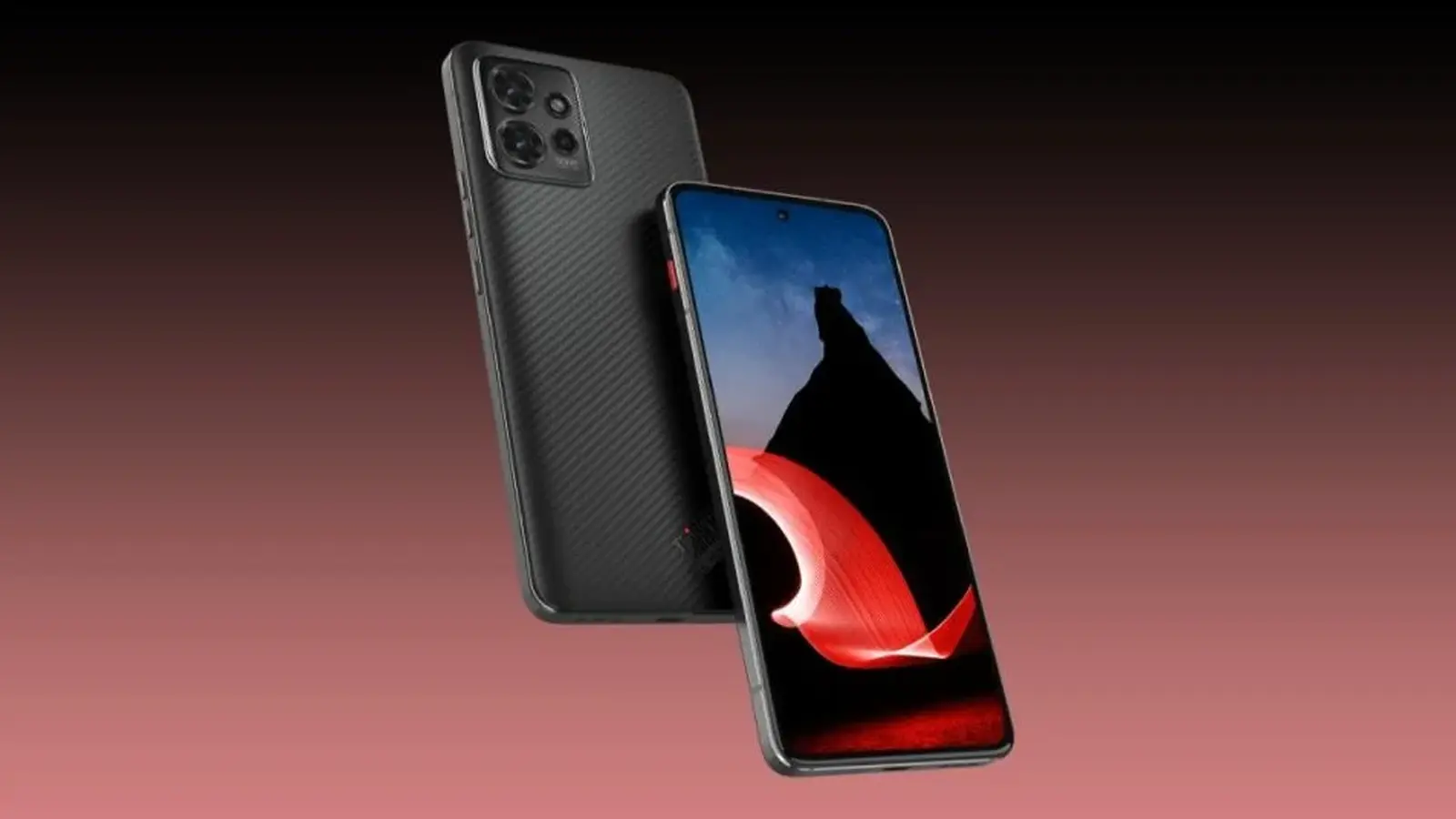
Fresh leaks from Chinese social platform Weibo hint that the company is quietly testing some unusual hardware for a future smartphone. According to well-known tipster Digital Chat Station, Lenovo engineers are currently evaluating a periscope telephoto camera with a massive 200‑megapixel sensor. If accurate, that kind of zoom hardware would place the device among a small group of phones pushing mobile photography to extreme levels.
But the camera may not be the most interesting part.
Alongside the imaging upgrade, the leak suggests Lenovo has been developing a 1.5K LCD display panel. Progress on that component, however, is reportedly moving slower than expected. Instead of waiting, the company appears to be exploring a different internal direction—one centered around a dramatically larger display.
When a phone starts to feel like a tablet
Prototype devices are said to be testing a flat screen measuring roughly 7.5 inches. That size places the device in an unusual middle ground. It’s larger than nearly every traditional smartphone on the market, yet still smaller and simpler than a foldable tablet-style device.
In other words, Lenovo could be experimenting with a hybrid category: a single-screen device built for people who want maximum viewing space without the complexity of a folding hinge.
A display of that scale would appeal to a very specific audience—mobile gamers, heavy video consumers, or users who treat their phones as their primary computing device. Reading, multitasking, and streaming would all benefit from the expanded canvas.
Still, the project appears to be in early testing. The tipster described the development pace as "average," noting that there are currently no concrete plans to move the hardware toward mass production.
The conversation around the leak also touched on Lenovo’s place in today’s smartphone market. A few years ago, particularly around 2021, Lenovo devices powered by Qualcomm’s Snapdragon 870 and Snapdragon 888 chips earned attention for offering strong performance at competitive prices.
That momentum has been harder to maintain. According to the same source, Lenovo faces intense pricing pressure from brands like Realme and Redmi, both of which aggressively target the mid-range segment. Competing in that space has become increasingly difficult.
Meanwhile, Lenovo’s broader ecosystem continues to evolve. At MWC 2026, the company’s sub-brand introduced its first book-style foldable device, the Razr Fold. The phone features an 8.1‑inch 2K LTPO inner display paired with a 6.6‑inch outer screen, runs on Qualcomm’s Snapdragon 8 Gen 5 platform, and includes three 50‑megapixel cameras. It also supports the Moto Pen Ultra stylus, positioning it as both a productivity and entertainment device.
Seen in that context, a 7.5‑inch non-folding phone suddenly makes more sense. Lenovo may simply be exploring multiple ways to deliver larger screens—some with hinges, others without.
For now, the oversized prototype remains an experiment. But if the idea survives testing, Lenovo could end up reviving a category the industry once flirted with and largely abandoned: the true "phablet."


Comments
labcore
200MP periscope sounds awesome, but is it practical? huge files, battery hit, cost. If that 7.5-inch stays non folding maybe ok, still skeptical
atomwave
Whoa 7.5 inches?! A phone that feels like a tablet… I dig the huge screen for vids and emulation, but jesus, pocket drama incoming

Leave a Comment