
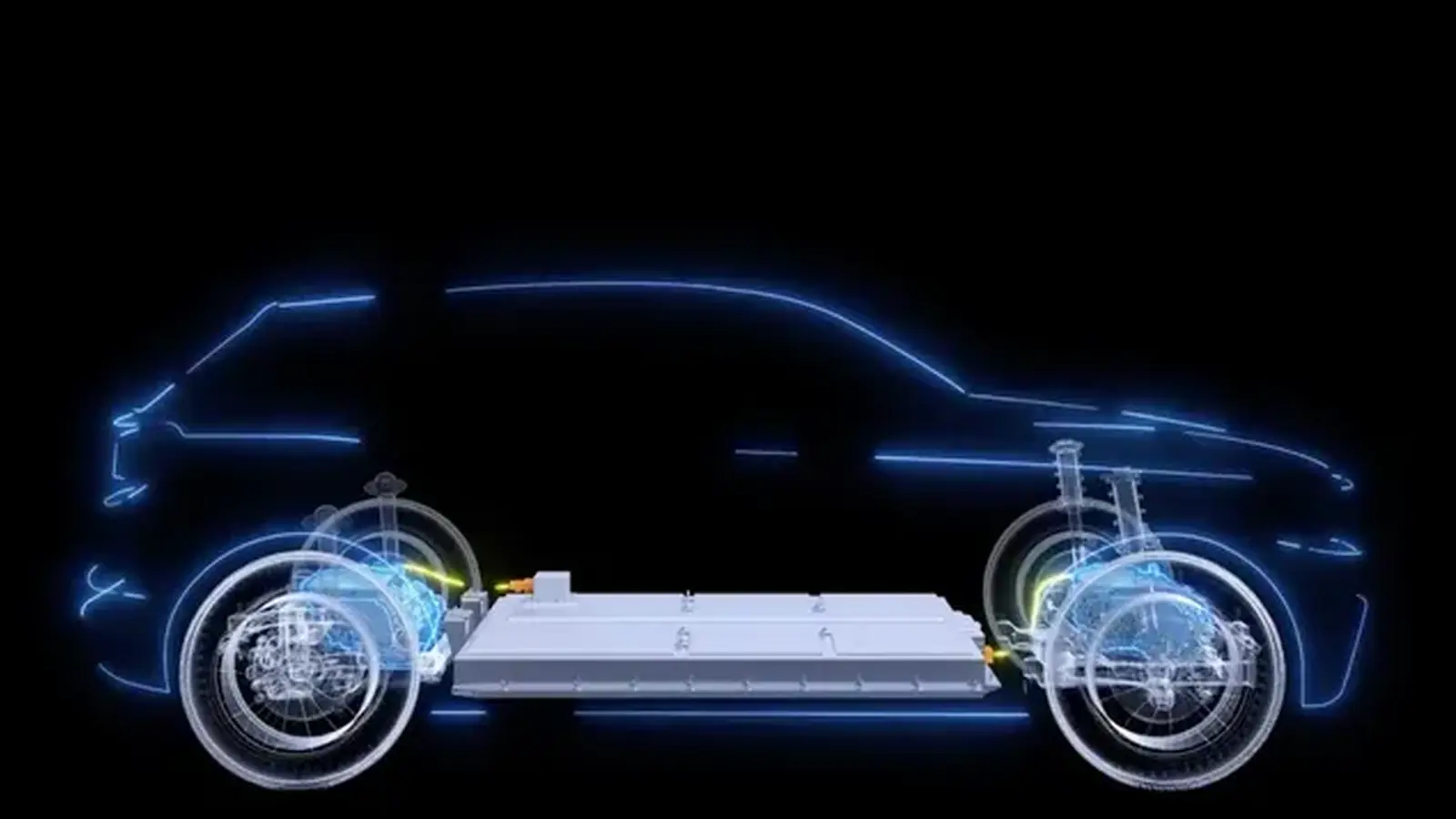
A team of researchers in Tianjin believes the next leap in electric vehicle range may already be sitting inside a lab battery pack.
Scientists from Nankai University say they have built and tested a semi-solid-state EV battery capable of delivering a dramatic boost in energy density—roughly 30% higher than many of today’s commercial lithium‑ion packs. If the numbers hold up outside the lab, the technology could push electric cars well past the range limits drivers are used to today.
The experimental system reportedly reaches 288 Wh/kg at the full battery-pack level. That figure includes everything that normally drags energy density down in real vehicles: cooling systems, wiring, structural casing, and safety hardware. On its own, the battery cells reach around 500 Wh/kg.
Those numbers matter because energy density is the quiet force behind EV range. The higher it climbs, the more energy can be stored without making the pack heavier or bulkier.
According to the research team, a 142 kWh version of the pack could theoretically deliver more than 1,000 kilometers—about 620 miles—on a single charge.
That claim immediately raises eyebrows, and for good reason. The researchers have not revealed which vehicle platform was used for testing, and the reported figures likely follow China’s CLTC testing cycle, which typically produces more optimistic range estimates than Europe’s WLTP or the U.S. EPA standards.
In practical terms, real-world driving tends to shave off a sizable portion of official numbers. A common rule of thumb is to reduce advertised range by roughly 30%. If that adjustment is applied, a 620‑mile claim would translate to something closer to 430 miles in everyday driving. Even then, it would still rival—or exceed—many of the longest‑range EVs currently on sale.
The chemistry behind the promise
The battery relies on a lithium‑rich manganese cathode combined with a hybrid solid‑liquid electrolyte. This approach aims to blend the stability advantages of solid-state batteries with the conductivity benefits of liquid electrolytes.
The key concept the researchers highlight is something called “super‑wetting.” In simple terms, the electrolyte spreads through microscopic pores and surfaces inside the battery materials more completely than in traditional designs. That deeper contact allows ions to move more efficiently, improving performance and potentially safety.
The system also introduces lithium anode technology in a way the team says avoids the cost and safety concerns tied to conventional metallic lithium strips. According to the university’s statement, the design could simplify manufacturing while improving battery lifespan and stability.
Still, there are important caveats. The results come from a collaboration between Nankai University and the Technology Center of China Auto New Energy, and the data has not yet been independently verified through peer‑reviewed research.

What researchers are aiming for next is even more ambitious: battery packs exceeding 340 Wh/kg with capacities above 200 kWh. On paper, that combination could push electric vehicles toward the elusive 1,600‑kilometer—or roughly 1,000‑mile—range mark.
But that kind of range usually comes with trade‑offs. Larger batteries add cost, weight, and packaging challenges. Today’s semi‑solid‑state batteries on the market illustrate the gap between laboratory breakthroughs and production reality.
Take the MG4, one of the first widely available cars to use semi‑solid‑state battery technology. Its pack uses an electrolyte that contains only about 5% liquid and achieves an energy density of roughly 180 Wh/kg. In that configuration, a 53.95 kWh battery delivers around 333 miles under CLTC testing.
Jumping from those figures to a potential 1,000‑mile range would require a massive leap in both capacity and efficiency. Nankai’s concept suggests doing that with a huge 200 kWh pack—but only if energy density improvements allow the battery to remain relatively compact and lightweight.
If those engineering challenges are solved, the implications would be enormous. Electric cars could travel distances between charging stops that rival—or even surpass—traditional gasoline vehicles.
For now, the technology remains a promising research milestone rather than a production-ready breakthrough. But in the relentless race to build longer‑lasting EV batteries, this experiment hints at just how far the industry still plans to push the limits.

“I love exploring gadgets, apps, and trends that redefine how we connect, work, and play in a digital world.”

Discussion
Leave a Comment