
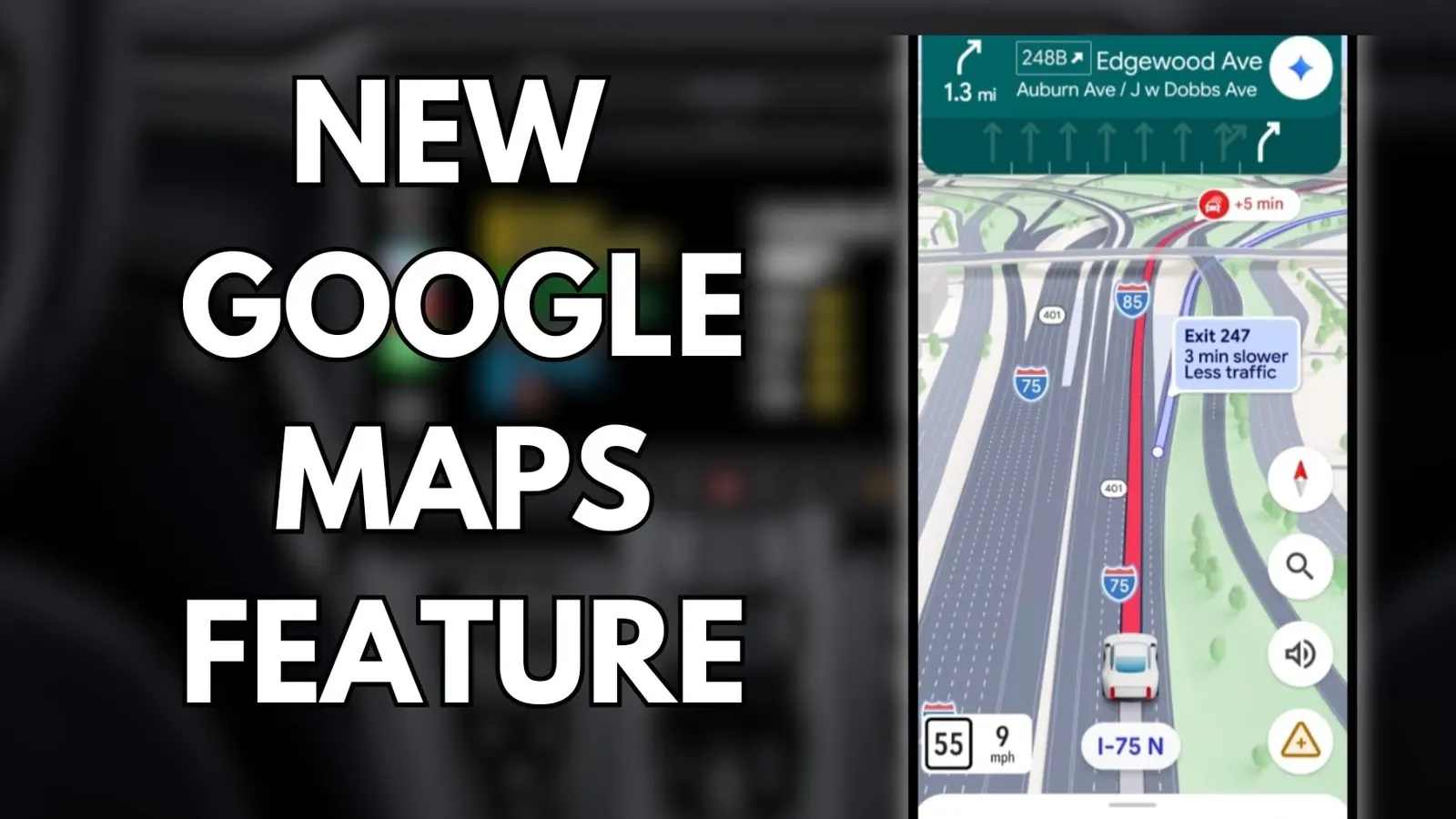
You’re cruising down the highway, Google Maps guiding the way, when a new route suddenly pops up on the screen. Usually, all you get is a small time difference—maybe you arrive three minutes sooner, maybe five minutes later. But what if the app could tell you the real story behind that route?
That’s exactly what Google is starting to do.
In its latest navigation update, Google Maps is introducing a feature called alternate route tradeoffs. Instead of simply showing a different path and the estimated arrival time, the app now explains what you gain—and what you sacrifice—if you take it.
It sounds simple. In practice, it could change how drivers make decisions on the road.
The Hidden Costs of a "Faster" Route
For years, Google Maps has displayed alternate routes while you drive, especially when approaching intersections, highway exits, or congested areas. These options usually come with a small label showing how they affect your ETA.
But time isn’t the only factor drivers care about.
A route that saves two minutes might send you through a toll road. Another could add several minutes but help you avoid traffic jams or fuel-heavy stop-and-go driving. Until now, drivers often had to guess why a route appeared—or pull over to investigate.
The new tradeoffs feature removes that guesswork.
Imagine approaching a highway exit. Google Maps suggests leaving the highway. The app may now show a short explanation right on the map, something like: this route adds a few minutes but avoids upcoming tolls. Suddenly the choice becomes clearer. Spend a little more time, or spend more money.
That kind of context is what the update is really about: smarter decisions without distracting the driver.
The information appears in small bubbles attached to alternate routes as they show up on the map. Besides ETA changes, the system can highlight factors such as:
- avoiding toll roads
- less traffic congestion
- longer distance but smoother driving
- shorter arrival time with possible toll costs
In other words, Google Maps is beginning to explain the logic behind its recommendations instead of simply presenting them.

This feature also builds on Google’s earlier push for eco-friendly routing. Since 2021, the app has suggested routes designed to reduce fuel consumption and emissions. Tradeoffs now extend that idea further, helping drivers balance time, cost, and traffic conditions in real time.
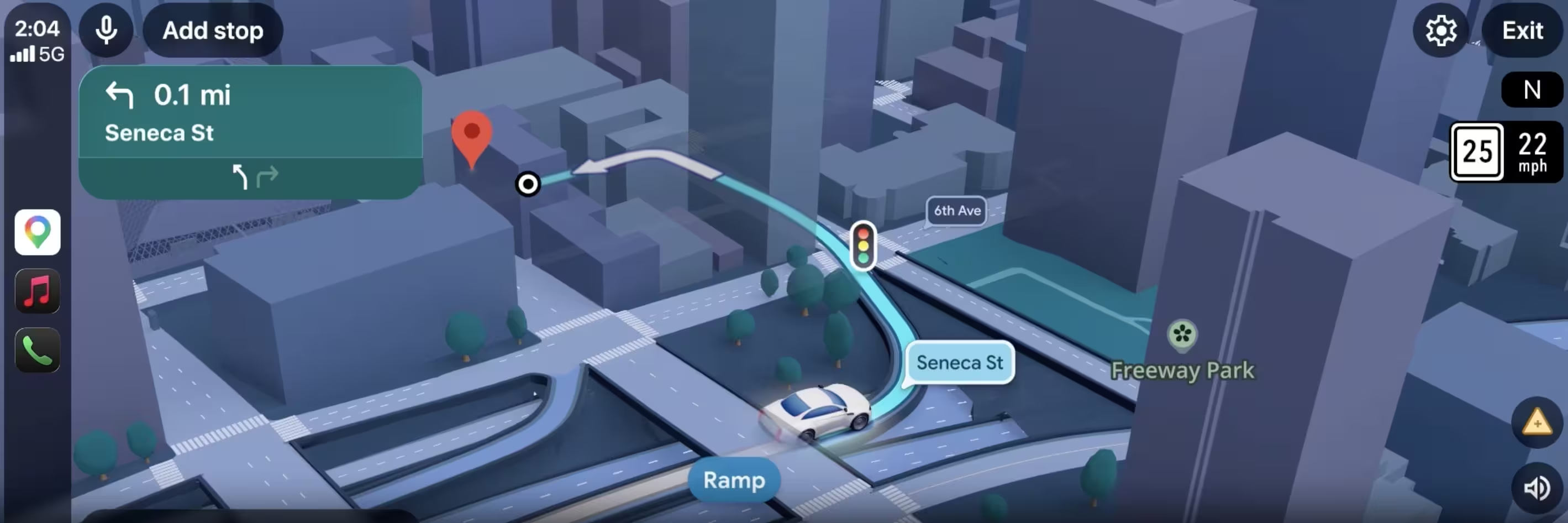
For now, the update is part of Google’s broader immersive navigation experience and is rolling out in the United States first. The company plans to expand it globally over time, and it will work across multiple platforms, including Android Auto and Apple CarPlay.
If you rely on in-car navigation, the change could quietly become one of the most practical improvements Maps has made in years.
Interestingly, this is exactly the kind of feature many drivers might expect from Waze. Google’s other navigation app is famous for its crowdsourced traffic alerts and real-time hazard reports, powered by millions of users on the road.
Waze already suggests alternate routes, but the information is minimal—usually just a time difference.
Google Maps, it seems, is moving one step further. Instead of asking drivers to choose blindly, it’s starting to show the tradeoffs that actually matter.
And once you see that kind of insight while driving, going back to simple ETA comparisons might feel surprisingly outdated.

“I love exploring gadgets, apps, and trends that redefine how we connect, work, and play in a digital world.”

Discussion
Leave a Comment