
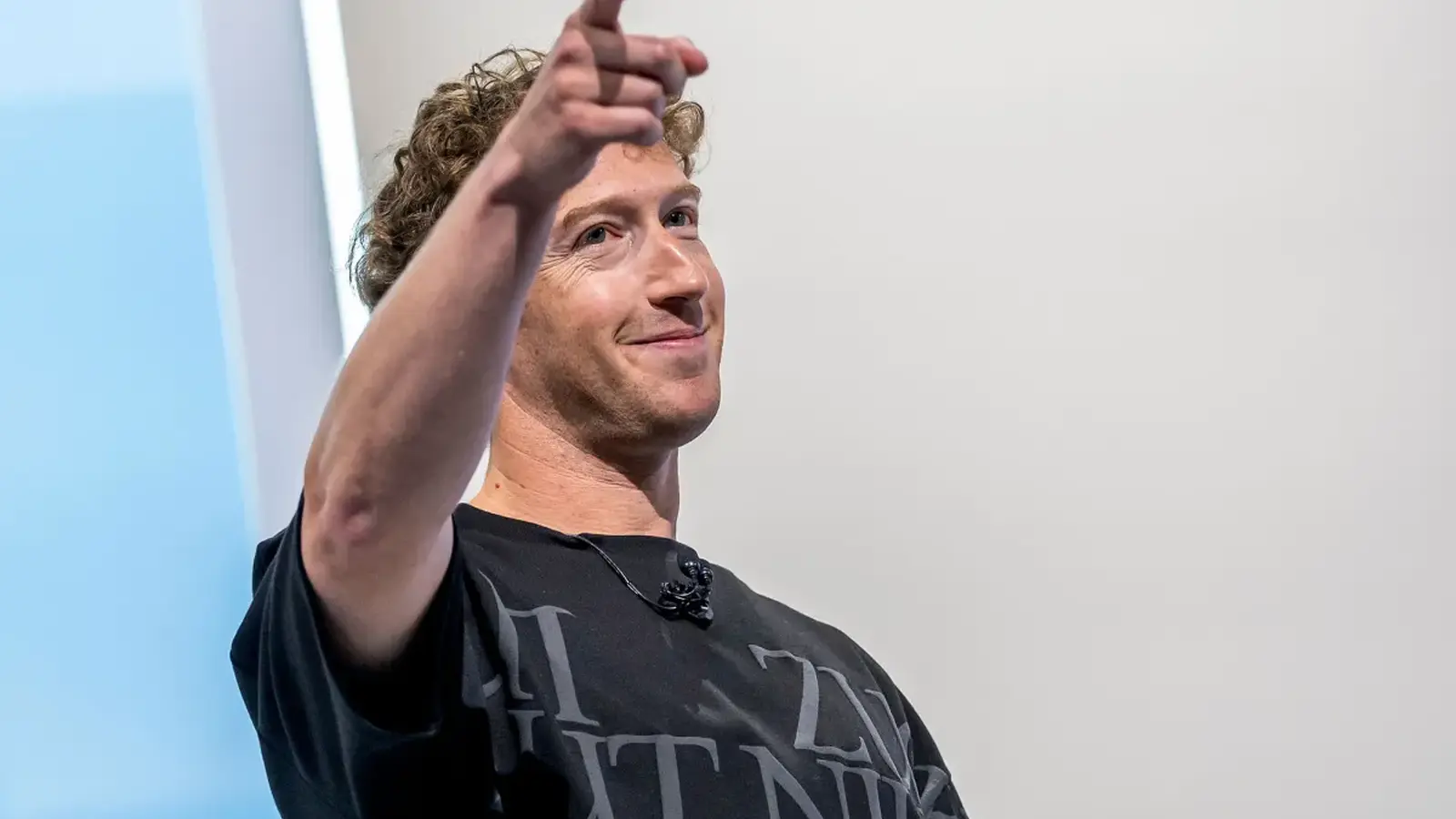
Mark Zuckerberg isn’t chasing the usual corporate giants this time. Instead, he’s looking at the corner shops, solo founders, and side hustlers quietly powering the internet’s economy—and handing them AI.
Meta’s newly unveiled small business initiative signals a shift in how the company sees growth in the age of artificial intelligence. Rather than competing head-on for enterprise dominance, Meta is doubling down on the millions of entrepreneurs already living inside its ecosystem.
That ecosystem is massive. Roughly 250 million businesses globally rely on Facebook, Instagram, and WhatsApp to reach customers. For Meta, the logic is simple: if those businesses grow, so does Meta.
AI tools designed for the overwhelmed entrepreneur
The pitch is less about flashy innovation and more about removing friction. Starting a business is still messy. Running one? Even harder. Meta wants to compress that chaos into a set of AI-driven tools that handle the heavy lifting.
Think automated ad creation that doesn’t require a marketing degree. Customer service bots that respond instantly without sounding robotic. Content generation tools that keep feeds alive even when founders are stretched thin. And behind it all, analytics that quietly suggest what’s working—and what isn’t.
Zuckerberg framed it as a broader mission: making entrepreneurship accessible in an AI-first world. If artificial intelligence is going to reshape the economy, Meta wants small players to have a seat at the table.
The underlying message is hard to miss. The next wave of business creation shouldn’t belong only to those with capital or technical expertise. AI, at least in Meta’s vision, levels that field.
A different play from Big Tech
While competitors like Google, Microsoft, and Amazon chase high-value enterprise contracts, Meta is leaning into volume. Millions of smaller businesses, each spending modestly, but collectively representing enormous potential.
It’s a quieter strategy. But potentially a powerful one.
By focusing on SMBs, Meta can build an end-to-end environment where a business is born, marketed, and scaled without ever leaving its platforms. Discovery happens on Instagram. Conversations move to WhatsApp. Transactions close through integrated tools. AI stitches it all together in the background.
And if it works, Meta doesn’t just host businesses—it becomes the infrastructure behind them.
There’s another layer to this timing. Reports of internal restructuring and potential job cuts have been circulating, hinting at a broader shift in priorities. The small business push could open new roles, new products, and possibly even a redefinition of Meta’s workforce as it aligns around AI-driven services.
Details are still thin. The roadmap isn’t fully public. But the direction is clear enough: Meta is betting that the future of AI won’t just be built in boardrooms—it will be shaped by millions of small businesses trying to grow, adapt, and survive.
If Meta gets this right, AI won’t just optimize businesses—it could redefine who gets to start one in the first place.

“I cover emerging technologies, digital innovation, and the intersection of tech and everyday life. My goal is to make complex trends accessible and inspiring.”

Discussion
Leave a Comment