
4 Minutes
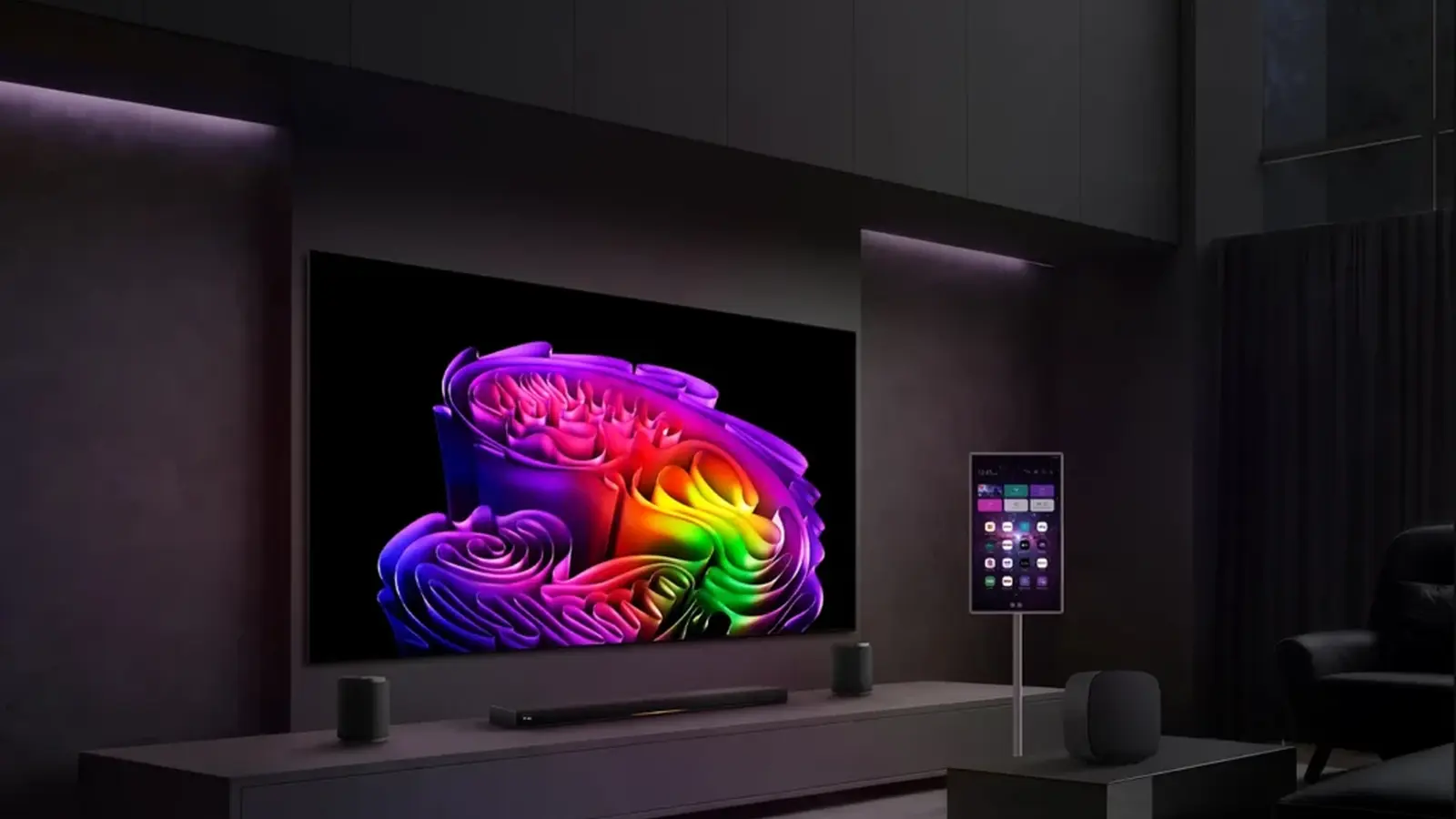
LG isn’t just refreshing its TV lineup for 2026—it’s reshaping how high-end displays look, sound, and even connect. The headline grabber? A nearly invisible wireless OLED screen that clings to your wall like art, backed by a broader push into brighter panels and smarter AI-driven viewing.
The new OLED evo family—G6, C6, and B6—leans hard into visual refinement. Brightness gets a serious lift, with LG claiming up to 3.9x improvement over its baseline OLED panels. Colors look richer, highlights sharper, and motion more responsive, thanks in part to what LG calls Hyper Radiant Color. It’s less about one flashy feature and more about tightening every visual screw at once.
Under the hood, all models run on the α11 AI Processor 4K Gen3, a chip that’s doing far more than just upscaling. It analyzes scenes in real time, boosts clarity in lower-resolution content, and dynamically adjusts brightness depending on what’s on screen. Glare—long a quiet annoyance—is handled by a Reflection Free Premium display that absorbs light instead of diffusing it. The result is a cleaner, more consistent picture in bright rooms.
Audio isn’t an afterthought either. With Dolby Atmos FlexConnect and integration into LG’s Sound Suite ecosystem, these TVs are designed to coordinate with multiple speakers, creating a more immersive, room-aware soundstage without forcing a complicated setup.

A TV That Cuts the Cord—Literally
The OLED evo W6 is where things get interesting. At roughly 9mm thin, it’s built to disappear into the wall. No dangling cables, no visible clutter. Everything runs through an updated Zero Connect Box, which wirelessly transmits 4K video at up to 165Hz with minimal latency and no noticeable loss in quality. The box itself is smaller this year—about 35% more compact—making it easier to tuck away.
It’s not just a design flex. The W6 hints at a future where TVs are no longer anchored by ports and cables, but float freely as part of the living space. That vision has already earned it multiple CES 2026 awards.
Then there’s LG’s new Micro RGB evo series, a different take on premium LCD. Instead of relying on traditional white LED backlighting, it uses individual red, green, and blue LEDs for tighter control and more accurate color reproduction. Combined with OLED-inspired light management techniques, the result is a display that pushes LCD closer to OLED territory—especially in brightness and color precision.
These panels also hit full coverage across BT.2020, DCI-P3, and Adobe RGB color spaces, which matters not just for movie lovers but for creators who care about accuracy. And yes, they go big—up to 100 inches.
Software plays a bigger role this year too. Running on webOS 26, LG’s TVs now integrate AI tools like Microsoft Copilot and Google Gemini. That means smarter search, more contextual recommendations, and even conversational interactions. Features like AI Concierge and Voice ID personalize the experience per user, while an onboard chatbot helps navigate settings or troubleshoot issues without digging through menus.
LG is rolling out the lineup starting in South Korea, with global availability to follow. Screen sizes range widely—from compact 42-inch OLEDs to massive 97-inch panels, with even larger options in its QNED and Micro RGB ranges.
The takeaway: LG isn’t chasing a single breakthrough—it’s stacking incremental gains across display tech, AI, and design to quietly redefine what a premium TV feels like.


Comments
Arvin
is the wireless 4K 165Hz link really lossless? seems too good. what about walls, interference, real latency in apartments? curious...
corewave
wow didnt expect a wireless OLED that thin... it actually could pass for art. Brightness looks nuts, this Hyper Radiant color thing might be legit, but price will sting, repairs? hmm

Leave a Comment