
3 Minutes
You point your phone at something—a bike, a washing machine, a random gadget—and just ask. No typing. No scrolling. Google’s latest push wants search to feel less like a query box and more like a conversation happening in real time.
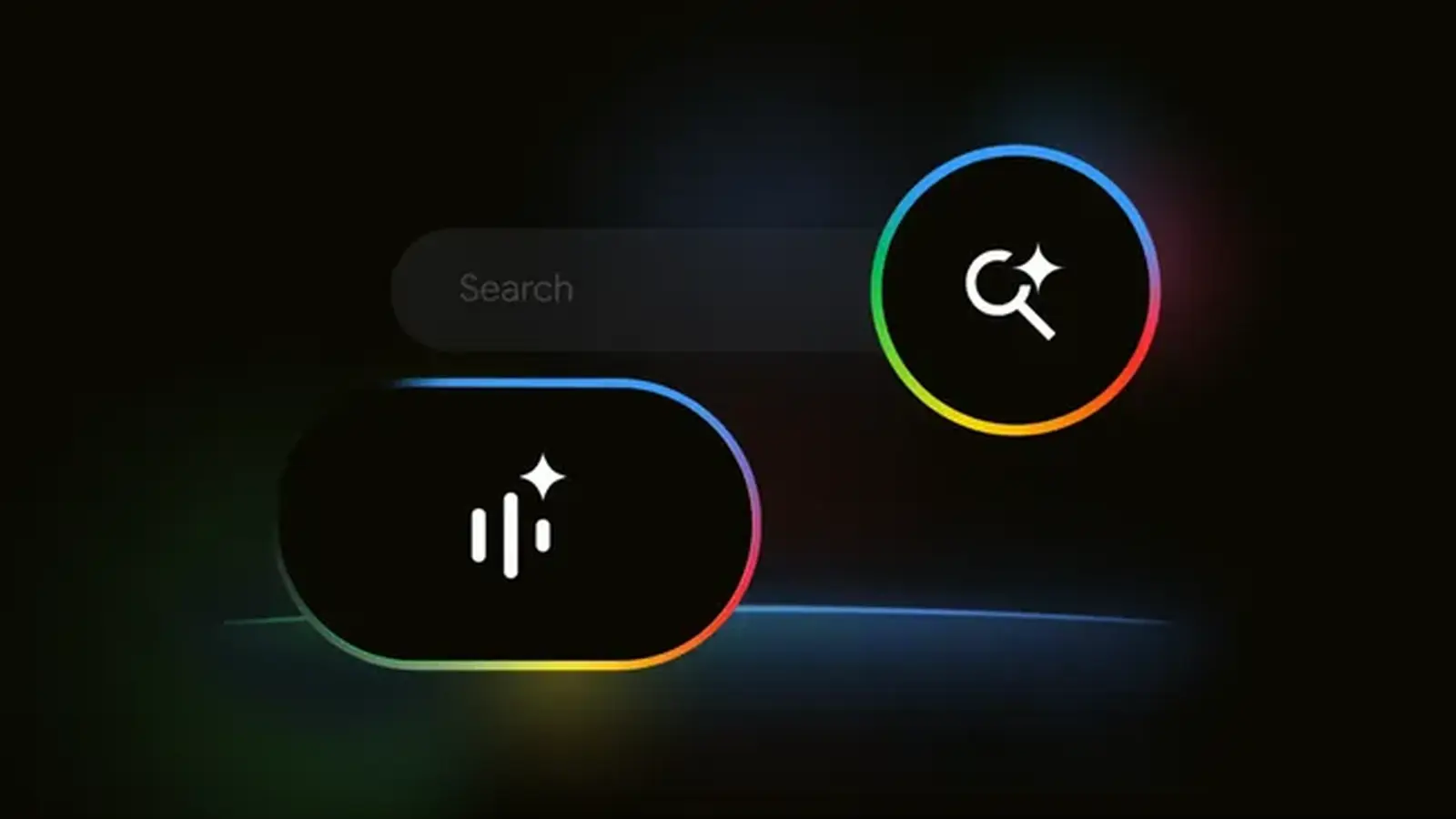
Search Live, Google’s AI-powered conversational search feature, has now quietly scaled to over 200 countries and supports 98 languages. Originally rolled out in the U.S. in late 2025, the tool blends camera input, voice interaction, and AI-generated responses into a single fluid experience. It’s less “searching” and more “talking to the internet.”
Here’s how it works in practice: open the Google app, tap the “Live” button, and point your camera. Ask a question out loud—what model is this appliance, how does it work, what am I looking at—and the system responds instantly with spoken answers, complete with captions. It doesn’t stop there. It keeps listening, ready for follow-ups, clarifications, or even a change in direction mid-conversation.
The experience is powered by Gemini 3.1 Flash Live, a new voice-first model Google describes as inherently multilingual. That matters more than it sounds. Instead of translating after the fact, the model is designed to think and respond across languages natively, which helps reduce lag and awkward phrasing. The result: faster replies and a noticeably more natural conversational rhythm.

Where it shines—and where it slips
Under the hood, Search Live leans on a technique called query fan-out. Rather than answering a question in isolation, it pulls from related queries and adjacent context to build a richer response. That’s why answers often feel less rigid and more exploratory, even when the question itself is simple.
But it’s not flawless. In hands-on testing, the tool correctly identified objects like a specific bike model and even explained design details such as its paint finish. Then it stumbled. It missed aftermarket modifications, misread accessories, and occasionally defaulted to outdated assumptions about the original product setup.
The same pattern showed up elsewhere. A newer smartphone model was mistaken for an older version, and when compared with Gemini Live, the answers were nearly identical—suggesting both tools rely on similar underlying data sources.
These gaps aren’t entirely surprising. AI systems like this depend heavily on existing online information, which means brand-new products or heavily customized items can throw them off. Still, for everyday questions and general object recognition, it holds up well.
What makes this rollout interesting isn’t just the feature itself—it’s the scale. Google says more than 1.5 billion people were already using Lens as of mid-2025, and Gemini Live had reached around 750 million users. Search Live sits right at the intersection of those two behaviors: seeing and asking.
If it catches on globally, this could shift how people interact with search altogether. Less typing. More talking. And maybe, eventually, less thinking about “search” as a separate action at all.
Source: techradar


Comments
Armin
Tried similar stuff at work, instant convo with camera would save me so much time. Sometimes it gets models wrong tho, been bitten before, like when it called my prototype a 2020 model, and I had to correct it on the spot
mechbyte
Sounds cool but is privacy even considered? point your camera at stuff and it talks back… feels risky. How accurate with custom mods, tho?

Leave a Comment