
4 Minutes
For a company obsessed with control, this is an unexpected turn: Apple is loosening its grip on AI—and it might be the most pragmatic move it has made in years.
Behind the scenes, the message is clear. Building a world-class AI assistant from scratch has proven harder than expected, and rivals like OpenAI and Google have surged ahead. Instead of chasing them head-on, Apple is shifting the battlefield entirely. The iPhone is no longer just a device with built-in intelligence; it’s becoming the place where every major AI wants to live.
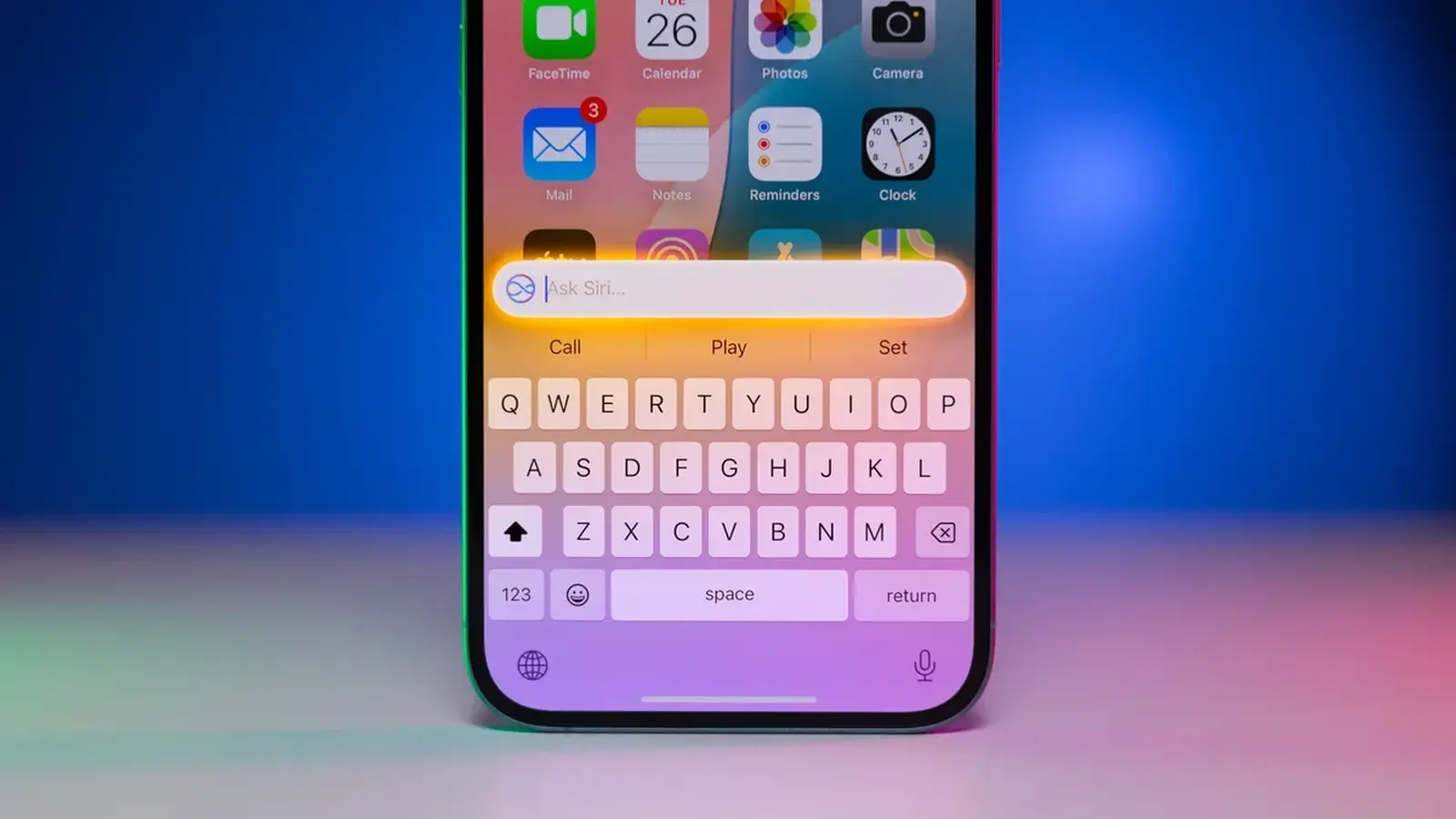
According to recent insights from Bloomberg’s Mark Gurman, Apple’s next big software push—likely to debut at WWDC—reimagines how AI fits into iOS. The centerpiece is something called “Extensions,” expected to arrive with iOS 27. Think of it as a native bridge that lets users install and run third-party AI assistants like ChatGPT, Gemini, or Claude directly through Siri.
This isn’t just another app integration. Apple is reportedly preparing a dedicated section within the App Store tailored specifically for AI tools, effectively creating a marketplace inside its existing ecosystem. And yes, the company would still take its standard cut from subscriptions, ensuring the business model remains intact.
When Siri Steps Back, the Platform Steps Forward
At the same time, Apple isn’t abandoning Siri altogether. Instead, it’s rebuilding the assistant using Google’s Gemini technology to ensure that, at the very least, the default experience feels competent from day one. The goal isn’t to dominate—it’s to avoid being replaced immediately.
This dual approach marks a significant philosophical shift. For years, Apple’s strength came from owning every layer of the experience. Now, it’s embracing a more flexible model: let the best AI win on its platform while Apple provides the stage.
If that sounds familiar, it should. It’s the same playbook that made the App Store successful. Apple offers its own apps, but users are free to swap them out. Whether you use Apple Maps or Google Maps, Apple still benefits. The difference now? AI isn’t just another app category—it’s quickly becoming the interface for everything.
That’s what makes this pivot feel bigger than a routine update. If AI evolves into the next operating system layer, then opening iOS to competing models is less about convenience and more about redefining control.
A Late Pivot, or a Smart Reset?
There’s no way around it: Apple stumbled in the early AI race. Delayed features, underwhelming rollouts, and internal friction have all pointed to a company struggling to keep pace. But recognizing that reality—and acting on it—may be more valuable than stubbornly doubling down.
By repositioning the iPhone as the central hub for AI services, Apple is leaning into what it already does best: hardware, integration, and ecosystem loyalty. Instead of competing on raw model performance, it’s betting on distribution and user experience.
Whether that gamble pays off depends on execution. If users feel empowered—able to pick the AI that fits their needs seamlessly—Apple wins. If it feels like a middle layer between them and better tools, the strategy could fall flat.
One thing is certain: Apple isn’t trying to win the AI race alone anymore—it’s trying to own the road everyone else runs on.


Comments
Marius
Is this even real? apple will surely take the cut and maybe throttle some assistants, right? feels like control under a nicer wrapper... if that’s true then
datapulse
wow didnt expect that... letting ChatGPT, Gemini etc live inside Siri? kinda genius but privacy questions, app store chaos and too many choices could be a mess. excited but nervous

Leave a Comment