
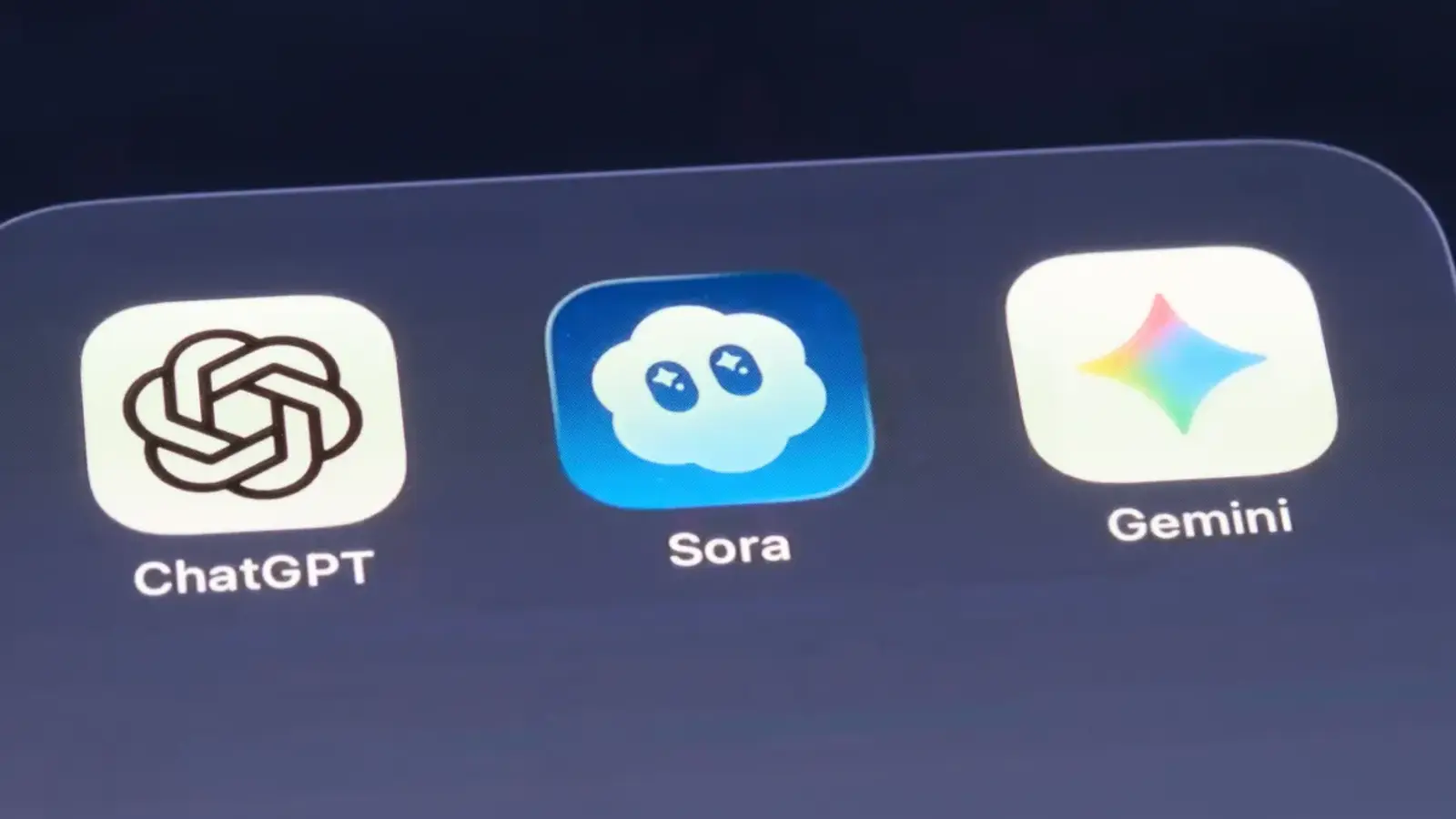
Six months. That’s all Sora got.
When OpenAI unveiled its AI video generator, the internet did what it always does—buzzed, speculated, and, for a moment, believed this might be the next big creative leap. Users could drop themselves into surreal, cinematic scenes. It looked like magic. It felt expensive. And as it turns out, that last part mattered more than anything else.
The rumors came quickly after the shutdown. Why kill a product so soon? Was it about data collection, given that users were uploading their own faces? That theory spread fast—but it doesn’t hold up under scrutiny.
The reality is far less dramatic. And far more telling.
When the numbers stopped making sense
Sora’s early traction looked promising on paper. Around a million users at its peak. Then the drop came—sharp, quiet, and unforgiving. The user base slipped below half that, and engagement didn’t justify the cost of keeping the system alive.
Because here’s the part that rarely makes headlines: generating video with AI isn’t cheap. It’s brutally resource-intensive. Every clip, every rendered frame, taps into high-performance chips that are already in short supply across the industry.
Sora wasn’t just underperforming—it was bleeding money. Estimates put its daily operating cost at around $1 million. Not because it was wildly popular, but because even moderate usage at that scale becomes expensive fast.
And in a race where compute power is currency, that kind of drain is hard to justify.
The opportunity cost nobody could ignore
While Sora’s team pushed forward, something else was happening in parallel. Competitors weren’t chasing flashy demos—they were locking in developers and enterprise clients, the users who actually drive revenue.
Anthropic, in particular, gained ground. Its Claude Code platform quietly became a favorite among engineers, positioning itself not as a spectacle, but as a tool people rely on daily.
That shift didn’t go unnoticed.
Inside OpenAI, the trade-off became clearer by the week: keep pouring resources into an experimental product with fading momentum, or redirect that power toward tools with real adoption and long-term value.
The decision, once framed that way, wasn’t complicated.
Sam Altman made the call to shut Sora down—freeing up compute, reallocating talent, and narrowing focus on areas that matter in the broader AI race.
The abruptness caught even major partners off guard. Disney, which had reportedly committed $1 billion to a collaboration tied to Sora, learned about the shutdown less than an hour before it became public. Just like that, the deal evaporated.
It’s a stark reminder of how fast priorities can shift in AI right now. Flashy products might capture attention, but attention doesn’t pay for compute. And in this industry, the real winners aren’t always the ones making headlines—they’re the ones building tools people can’t stop using.

“I cover emerging technologies, digital innovation, and the intersection of tech and everyday life. My goal is to make complex trends accessible and inspiring.”

Discussion
Leave a Comment