
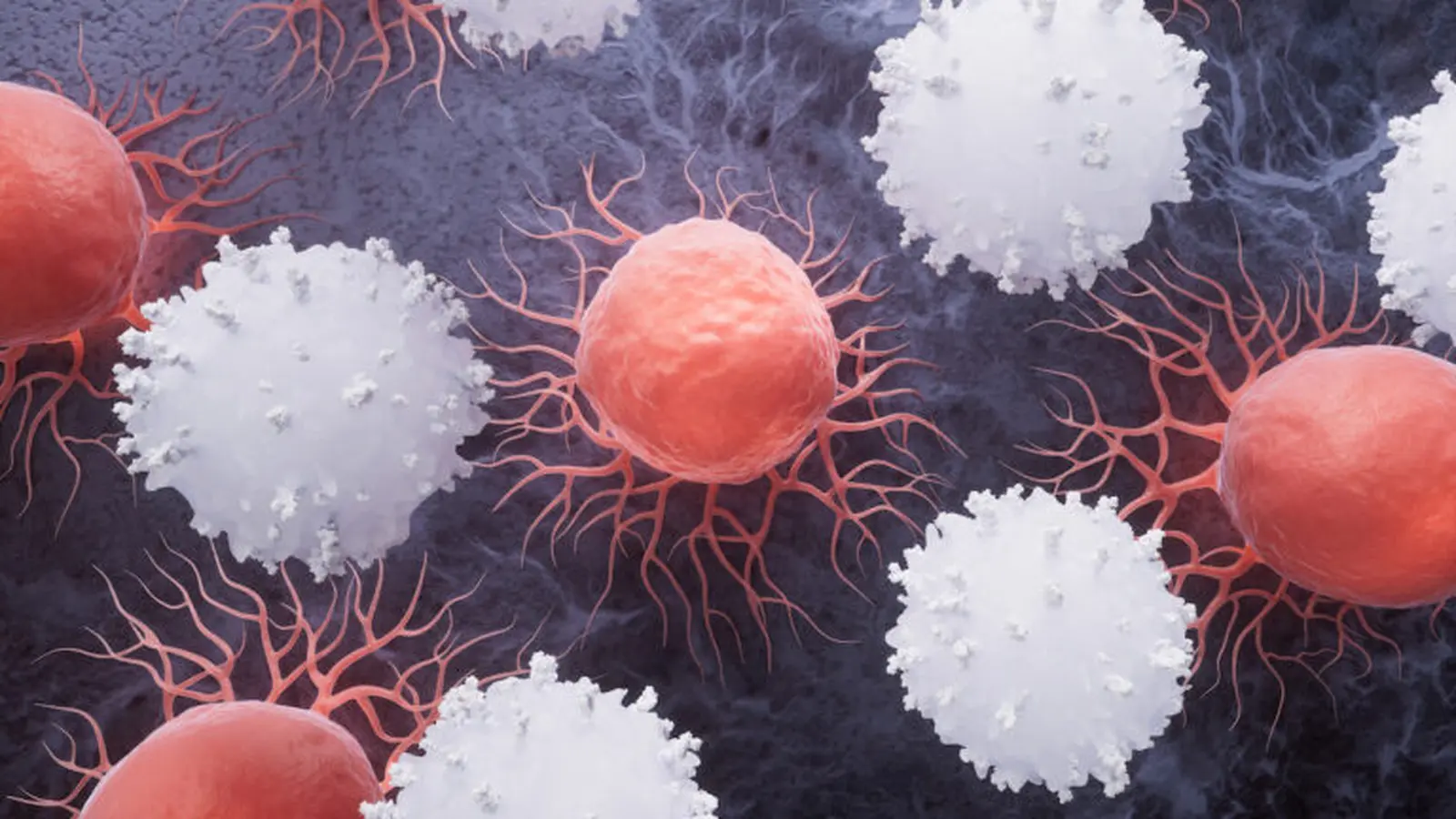
New research suggests that the same mRNA technology behind COVID-19 vaccines may do more than prevent infection — it could amplify the immune system’s ability to attack cancer when paired with existing immunotherapies. This surprising result, born from lab studies and a review of clinical records, points to a low-cost, globally available tool that might expand the reach of lifesaving cancer treatments.
Unexpected overlap: viral vaccines and tumor immunity
While developing mRNA vaccines for pediatric brain tumors in 2016, researchers discovered a striking effect: mRNA itself — even when not encoding tumor-specific proteins — can stimulate the immune system to target cancer. That observation led investigators to ask a bold question: could widely administered COVID-19 mRNA vaccines trigger a similar antitumor response in patients receiving immunotherapy?
To explore that possibility, the research team examined clinical data for more than 1,000 patients with advanced melanoma and lung cancer who were treated with immune checkpoint inhibitors (ICIs). ICIs are drugs that release the brakes on immune cells by blocking proteins tumors use to switch off immune attack. The combination of a re-energized immune system and those drugs is the backbone of modern cancer immunotherapy.
Clinical signal: better survival after mRNA vaccination
The analysis revealed a robust association: patients who received either the Pfizer-BioNTech or Moderna COVID-19 mRNA vaccine within 100 days of starting checkpoint inhibitor therapy had more than twice the three-year survival rate compared with similar patients who did not receive an mRNA COVID vaccine. Even more striking, people with tumors typically resistant to immunotherapy — so-called "cold" tumors — showed nearly a fivefold improvement in three-year overall survival.
Those outcomes held up after adjusting for disease stage, other health conditions, and standard clinical variables, suggesting a real and clinically meaningful interaction between mRNA vaccination and immune checkpoint blockade.
How might a vaccine trained on a virus help kill tumors?
To probe mechanisms, researchers turned to animal models. The experiments showed that COVID-19 mRNA vaccines act like an immune alarm: they stimulate innate and adaptive immune pathways, increase presentation of tumor antigens, and help overcome the tumor’s ability to silence immune cells. In short, the vaccines appear to convert immunologically "cold" tumors into "hot" ones, making them visible to the immune system and more susceptible to checkpoint inhibition.
When combined, the vaccines and ICIs orchestrate complementary effects: the vaccine recruits and activates immune cells, while checkpoint inhibitors prevent tumors from shutting those cells down. The net result is a more concerted, durable anti-tumor response.
University of Florida Health pediatric oncologist Elias Sayour, who led the research, explains that mRNA vaccines that are not specific to a patient's cancer can 'wake up the sleeping giant that is the immune system to fight cancer.'
Why this could change cancer care
Immune checkpoint inhibitors have transformed outcomes for many patients over the last decade, producing long-term remissions that were previously rare. But a large fraction of cancers remain resistant because they successfully evade immune detection. If an inexpensive, widely available mRNA vaccine can prime the immune system and broaden responses to ICIs, it could expand effective immunotherapy to millions more patients worldwide.
There’s another practical advantage: unlike personalized therapeutic cancer vaccines — which require tumor sequencing, bespoke manufacturing and can be costly — COVID-19 mRNA vaccines are already mass-produced, widely distributed, and usually low-cost. They could be administered alongside standard cancer care without the logistical hurdles of fully personalized approaches.
Ongoing and future research
To determine causality and clinical benefit definitively, investigators are launching randomized clinical trials. One planned nationwide trial will randomize lung cancer patients receiving an immune checkpoint inhibitor to either receive a COVID-19 mRNA vaccine during treatment or to follow standard care without the added vaccine. That trial will test whether the observed survival advantage in retrospective data translates to a reproducible, practice-changing result.
Researchers are also dissecting immune cell changes in patients and animal models to identify which pathways are most important. Understanding timing, dosing and whether certain vaccine platforms or formulations work better will help clinicians design combination strategies that maximize benefit while minimizing side effects.
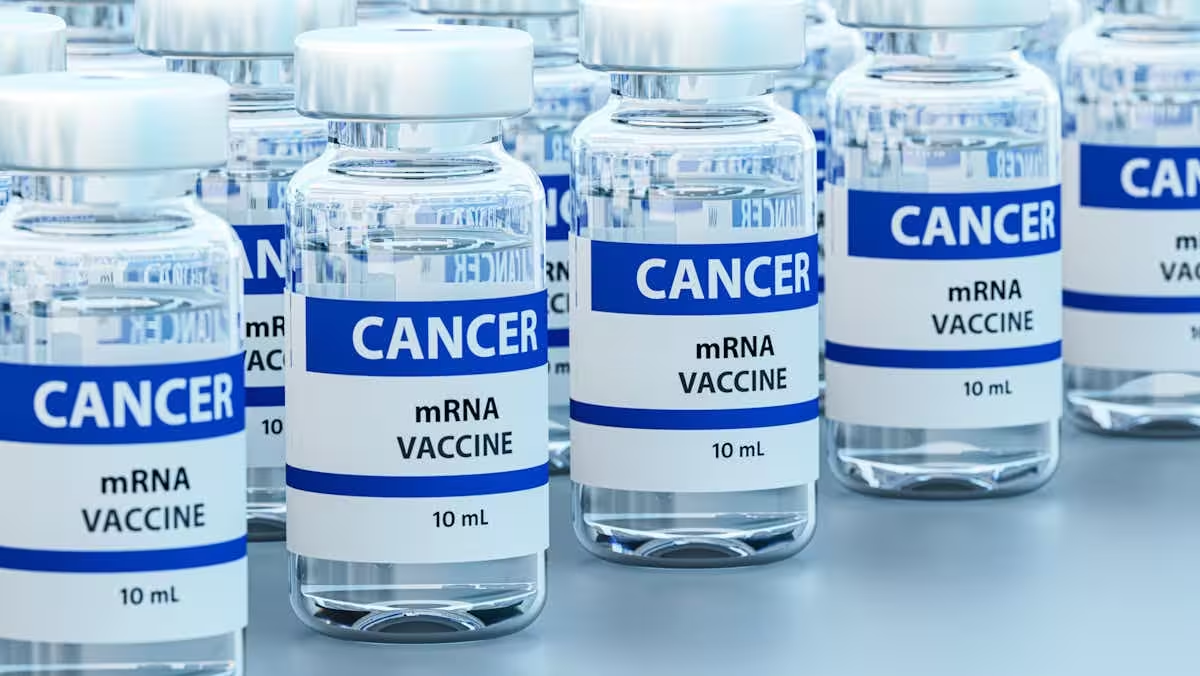
Combining immunotherapy with mRNA vaccines could allow more patients to benefit from this treatment. (Thom Leach/Science Photo Library via Getty Images)
Expert Insight
"What’s compelling about this work is the possibility of repurposing an established vaccine platform to improve outcomes in cancer patients," says Dr. Maya Patel, an immunologist and clinical researcher not involved in the study. "If randomized trials confirm these signals, clinicians would have a globally accessible tool to make immunotherapy more effective — especially for patients whose tumors are currently unresponsive."
Dr. Patel adds: "We still need to refine who benefits most and the optimal timing, but the concept of using a broadly available mRNA vaccine to prime anti-tumor immunity is both elegant and practical."
Where this leads next
Should clinical trials validate the retrospective findings, the implications are significant: a familiar vaccine developed during a pandemic could become a routine adjunct to cancer immunotherapy, extending benefits to patients who currently have limited options. The research is an example of translational science where a tool developed for one global challenge may be repurposed to address another — potentially saving many more lives.

“My work centers on sustainability, energy, and environmental science — examining how innovation can lead to a greener future.”

Discussion
Leave a Comment