
4 Minutes
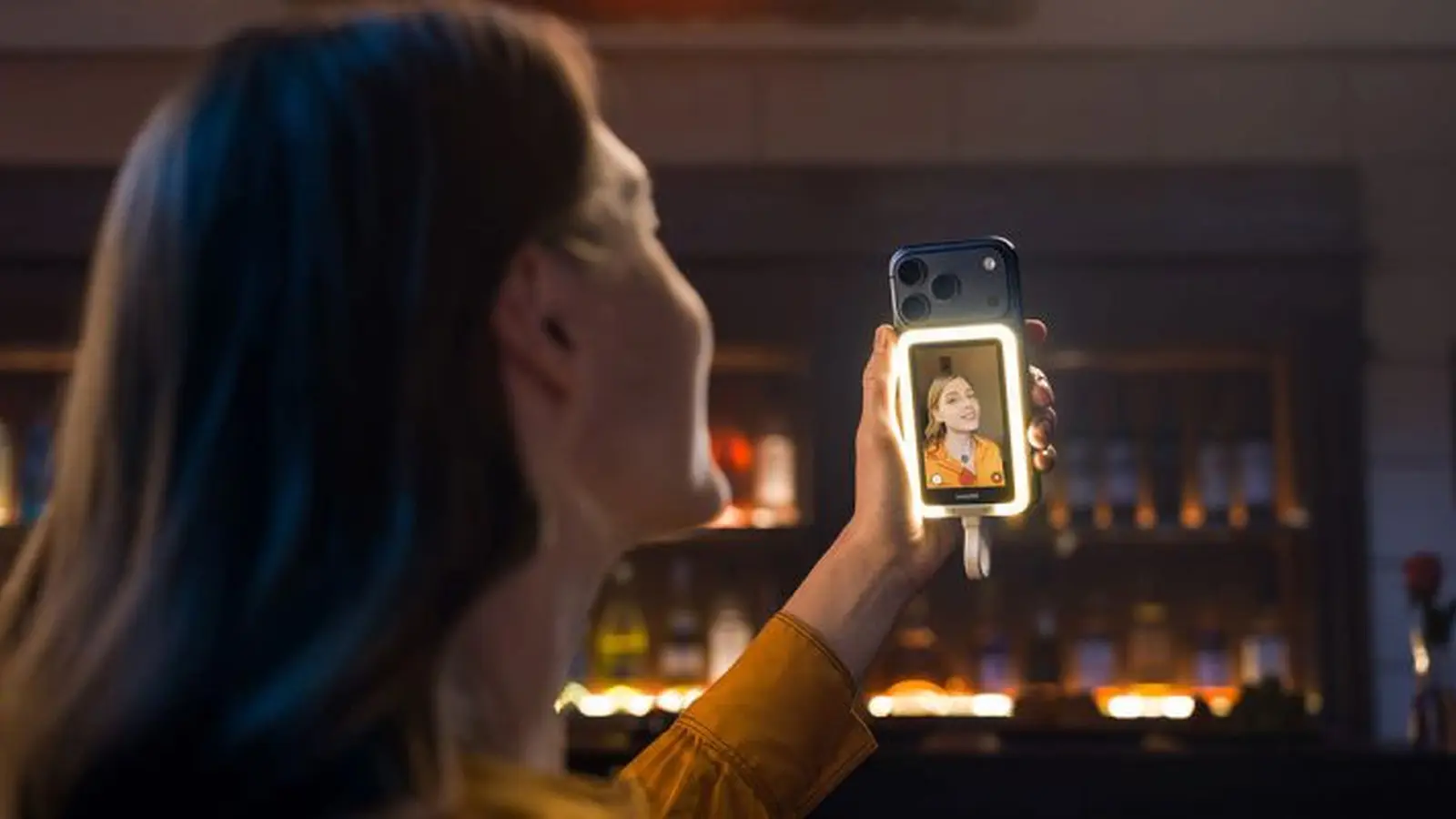
Selfies have always carried a small compromise. The rear camera is usually the one you want, but it sits on the wrong side of the phone. So you either guess your framing, trust the front camera, or drag along a clumsy workaround. Insta360’s new Snap selfie screen is trying to end that frustration with a surprisingly simple idea: put a second display on the back of your phone and let the better camera do the talking.
The Snap is a compact 3.5-inch touchscreen that connects through USB-C and mirrors your phone’s display at 800×480 resolution. In practice, that means you can see exactly what the rear cameras see while still holding the phone like you normally would. Zoom, focus, mode switching, and even third-party camera or social apps are available right from the little screen. No awkward guessing. No blind shooting.
Insta360 has kept the hardware refreshingly lean. The device is 6.8mm thick, draws power directly from the phone, and does not need its own battery or charger. MagSafe-compatible iPhones can snap it on magnetically, while other phones get an included magnetic ring. On the Android side, support depends on USB-C with DisplayPort Alt Mode, which covers most modern flagships. That makes the accessory feel less like a gimmick and more like a practical tool for people who actually shoot a lot on their phones.
Why this tiny accessory makes a lot of sense
The timing is hard to ignore. Smartphone rear cameras have surged far ahead of front-facing cameras, and the gap keeps getting wider. Insta360 points to phones such as the Galaxy S25 Ultra, where the rear sensors deliver roughly 16 times the resolution of the selfie camera. For creators, livestreamers, and casual users who care about framing, that imbalance has been annoying for years.
There have been workarounds, of course. Some people use mirrors. Others rely on external wireless monitors. A few just shoot blind and hope for the best. The Snap takes a more direct route by using a wired USB-C connection, which should mean lower latency and a steadier feed than the wireless alternatives sold on Amazon. Fewer hiccups. Less delay. More confidence when you hit record.
Insta360 is also offering two versions. The standard Snap selfie screen costs $79.99, while a co-developed edition with beauty-tech brand AMIRO adds a built-in ring light, adjustable brightness, and three color temperature options for $89.99. That extra lighting touch could make a real difference for close-up video, quick selfies, and beauty content where a little fill light goes a long way.
There is even a protective leather-style cover that folds over the display when the Snap is not in use, which helps keep the screen safe and reduces accidental taps on the phone underneath. It sounds minor, but that kind of detail is often what separates a clever gadget from one that actually earns a place in your bag.
For anyone who shoots a lot of content on a phone, Insta360’s new accessory lands in a sweet spot. It does one job, and it does it in a way that feels obvious once you see it. Why has nobody done this better before?


Comments
Armin
seems cool but does it work with cases? and will it block sensors or wireless charging, also 800x480 feels kinda low for precise framing…
atomwave
Wow never knew I needed this, clever and simple. Finally a tiny screen that actually solves the selfie mess, hope it's low-lag tho

Leave a Comment