
5 Minutes
The first quarter of 2026 did not move in a straight line. Apple climbed back to the top in Counterpoint’s shipment data, Samsung slipped into second, and then two brands far outside the usual heavyweight fight quietly stole part of the spotlight: Pixel and Nothing.
Counterpoint says Apple posted a first-ever Q1 lead in global smartphone shipments, edging Samsung with a 21% share against 20%. A year earlier, the two had swapped places the other way around, with Samsung narrowly ahead at 20% to Apple’s 19%. This time, the momentum shifted on the back of strong iPhone 17 demand and an aggressive trade-in push that helped Apple lift shipments 5% year over year.
Samsung, by contrast, saw annual shipments fall 6%, even though its global share held steady. The bigger picture is less flattering: the smartphone market remained under pressure, and rising memory costs only added to the squeeze.
Apple had an unexpected advantage
DRAM shortages pushed chip prices higher, while NAND memory also became more expensive. Yet Apple was relatively insulated. Counterpoint pointed to the iPhone’s ultra-premium positioning and its tightly integrated supply chain as two reasons the company absorbed the pressure better than most rivals.
That kind of insulation matters. When component costs jump, budget-focused manufacturers feel it first and hardest. Apple, with its pricing power and controlled hardware ecosystem, had room to breathe.
Then came the outliers.
Google’s Pixel lineup continued its quiet rise, posting a 14% annual increase in Q1 shipments. A big part of that growth is tied to its AI pitch. Features such as Magic Cue, which surfaces useful information based on what is already on screen, are helping the Pixel feel less like a phone and more like an attentive assistant. Add Gemini replacing Google Assistant, and the device starts to look increasingly differentiated in a crowded market.

There is more to come, too. The Pixel 11 series is expected this summer, and early chatter points to the Tensor G6 chip and a potentially improved face unlock system. If Google gets the software and hardware balance right, the Pixel story could keep building.
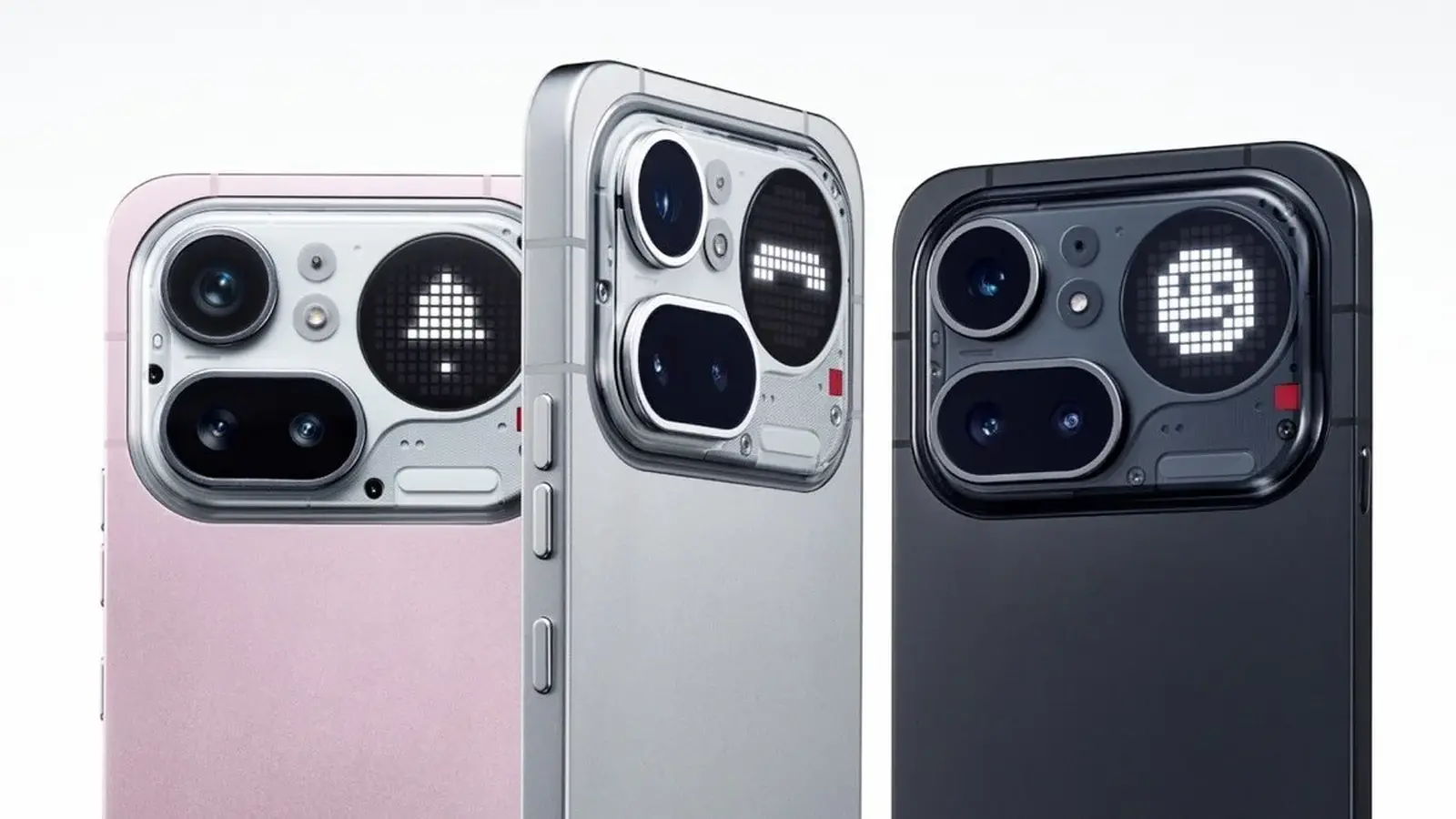
Nothing also had a standout quarter. Shipments rose 25% year over year, an impressive number for a brand still carving out its place in the global market. Counterpoint credited the company’s distinctive design language and its growing recognition among consumers who want something that looks and feels different.
Carl Pei, who previously helped build OnePlus into a fan favorite, appears to have done it again. Nothing may still be a niche player, but it has become a brand people notice, and that is no small feat in smartphones.
Xiaomi, meanwhile, had a rougher start to the year. Global shipments fell 19%, pushing its market share down to 12% from 14% in the first quarter of 2025. For a company that relies heavily on competitive pricing, rising component costs have clearly been a problem.
Oppo also lost ground, with shipments down 4% year over year and market share holding at 11%. Vivo saw a smaller dip of 2%, but its share still improved from 7% to 8%, showing that even in a weak market, some brands can still carve out space.
2026 is not shaping up to be an easy year for smartphone makers. The one area that could catch fire is foldables. Apple is widely expected to introduce its first foldable iPhone this September alongside the iPhone 18 Pro and iPhone 18 Pro Max, and analysts believe that arrival alone could lift foldable shipments by as much as 30% this year.
That is the real story now. Not just who leads the shipment charts, but who is setting the tone for what comes next. If Apple manages to bring a foldable iPhone Ultra to market without the crease issues that have haunted the category, the premium smartphone race could enter a very different phase.
For now, though, the headline is simpler. Global smartphone shipments fell 6% year over year in Q1 2026, according to Counterpoint, which bases its numbers on sell-in shipments sent to retailers and carriers. The market may be soft, but the winners are still finding ways to stand out.
Source: counterpointresearch


Comments
v8rider
Is this even true? Counterpoint sell-in numbers can be misleading, shipments ≠ sales. Foldables hype tho, but will Apple nail it??
mechbyte
Wow Apple stealing Q1 is wild! Pixel and Nothing growing tho, surprises everywhere. costs hit budget phones hard

Leave a Comment