
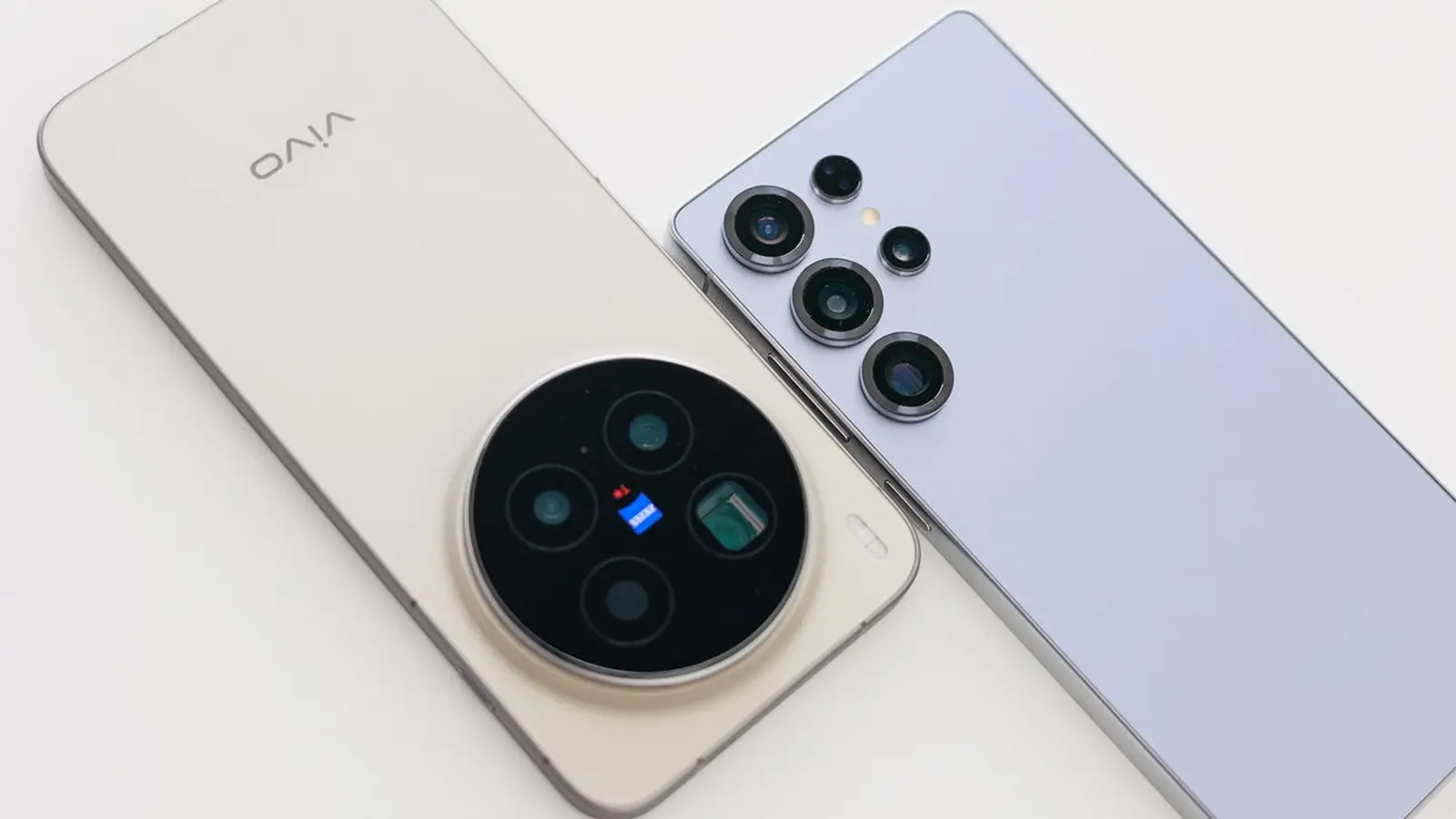
The latest camera face-off between Vivo's X300 Pro and Samsung's Galaxy S25 Ultra has turned heads. In side-by-side samples leaked by tipster Ice Universe, Vivo's new approach to telephoto zoom pulled ahead — especially in low light and at higher magnifications.
How Vivo's hardware and zoom strategy gave it the edge
Vivo packed the X300 series with incremental upgrades, but the standout is Samsung's 200MP ISOCELL HPB sensor powering the main camera on the X300 and the periscope telephoto on the X300 Pro. That 3.7x periscope on the Pro, paired with Vivo's processing, produced noticeably cleaner textures at 10x and 35x compared with Samsung's 3x periscope approach on the S25 Ultra.
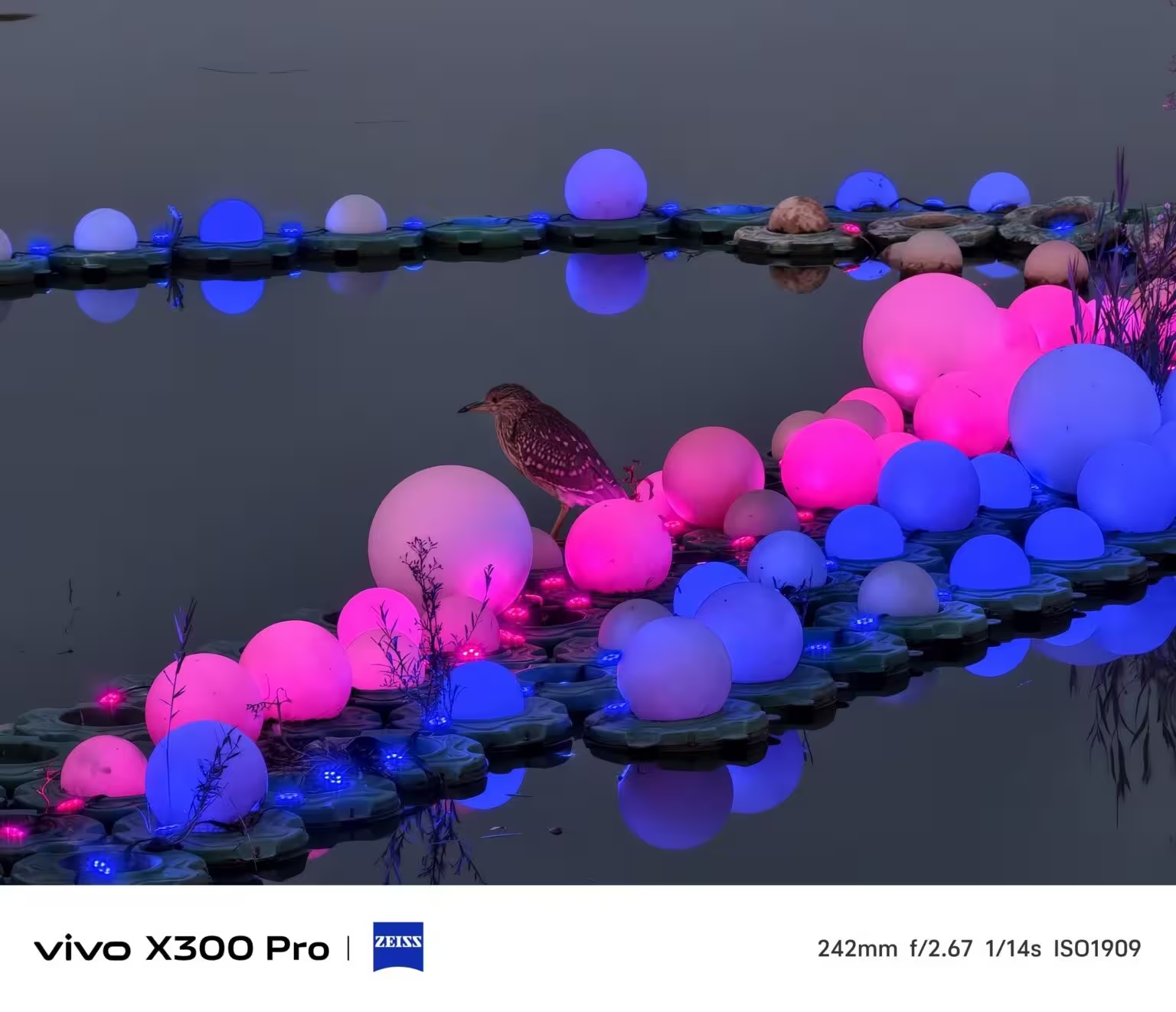 |  |
10x: similar color, different detail
At 10x zoom the two phones looked similarly saturated at first glance, but closer inspection revealed a divergence. The X300 Pro preserved fine texture and produced less noise, while the S25 Ultra showed visible artifacts and grain. That suggests Vivo’s pipeline is squeezing more usable detail from its zoom chain, not just relying on brute-force sensor size.
.avif)
35x: the gap widens
Push the magnification to 35x and the contrast becomes more dramatic. Vivo’s shots kept more structure and fewer processing artifacts, whereas the S25 Ultra struggled to retain clarity. In practical terms, for most users who regularly rely on long-range shots, the difference in final images could determine which phone they reach for.

Is it only about the sensor?
Not entirely. Sensor design matters — that 200MP ISOCELL HPB is a big deal — but software is equally crucial. Noise reduction, detail reconstruction and how aggressively a phone smooths a scene all shape the final photo. There may also be limits to how much older sensor/optical layouts can be improved through "intelligent" processing alone.
Samsung’s S25 Ultra still commands a higher price and remains one of the most capable camera phones available, but these samples show that competition is closing in. Rumors about the Galaxy S26 Ultra suggest only incremental camera hardware changes and a heavier reliance on AI-driven imaging tweaks, which may narrow the gap — or leave room for Vivo to push further.
What to watch next
- Full reviews comparing real-world zoom performance under varied lighting.
- Official tests of the X300 Ultra (Vivo’s higher-end follow-up) when it launches.
- Detailed comparisons of daytime main-camera shots — tipster samples also included daylight photos of the standard X300 vs. the S25 Ultra.
For photographers who prioritize long-range performance, these early leaks are a reminder that optics and image processing must work in concert. Expect more shootouts as brands iterate and as the next generation of flagships lands.

“I love exploring gadgets, apps, and trends that redefine how we connect, work, and play in a digital world.”

Discussion
Leave a Comment