
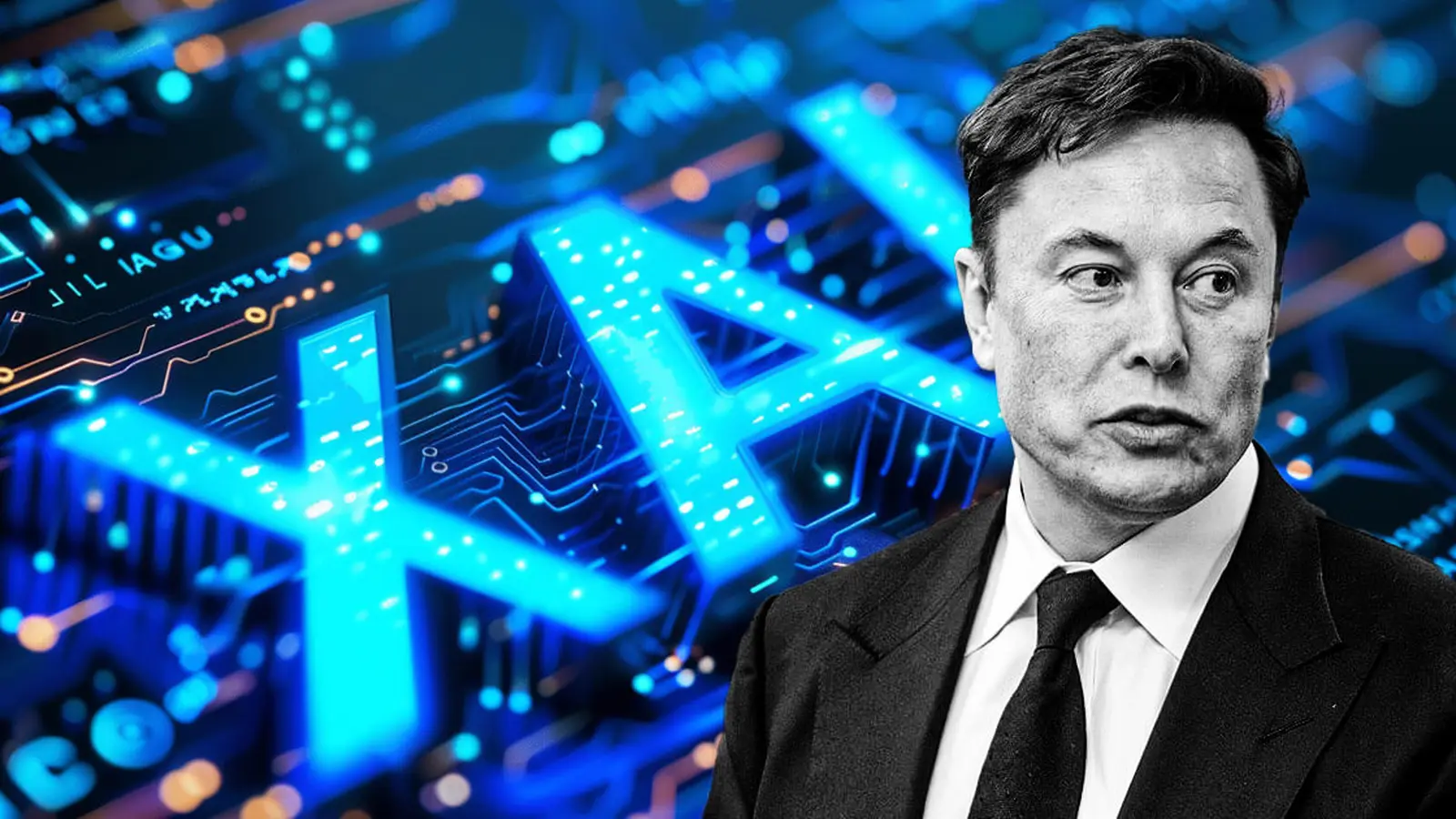
Elon Musk says xAI will ship a "great" full-scale AI-generated videogame by late 2026. The claim reignites a debate about whether generative models can produce a polished, triple-A experience or mainly speed designers' work.
Musk’s timeline and the xAI pivot into games
In early October 2025, Musk tweeted that xAI — the company behind the Grok chatbot — plans to "make games great again" by releasing a full-fledged, AI-generated title by the end of 2026. The announcement is high on ambition and short on technical specifics, but it signals xAI’s intent to move from conversational AI into creative, interactive content.
From chatbots to game engines: the technical gap
Generative models have transformed text, image, and audio creation, yet large-scale videogame production remains a multifaceted challenge. Modern AI can generate assets, dialogue, and procedural elements, but assembling those pieces into a coherent, balanced, and optimized game — the kind players call "great" — still requires heavy human design, iteration, and QA.
Why triple-A games are uniquely hard for AI
High-end titles demand narrative cohesion, polished level design, complex animations, performance tuning, and months of playtesting. Neural tools can accelerate many of these tasks—creating concept art, suggesting quest ideas, or populating environments—but they don't yet replace the creative synthesis and engineering craft that make a blockbuster game sing.
Expert view: evolution, not overnight replacement
Industry voices have been cautious. As NVIDIA researcher Bryan Catanzaro observed in prior commentary, you can’t simply type a paragraph and expect a Cyberpunk-level game to pop out instantly. The likelier path is gradual: neural rendering and AI-driven systems will interface with engines to boost immersion and speed, while human teams retain control over design direction and polish.
What xAI’s effort might actually look like
- Hybrid development: expect AI to augment writers, artists, and designers rather than replace them.
- Procedural scale: AI could enable expansive, dynamically generated worlds and faster asset pipelines.
- Tool-first releases: early showcases may highlight novel production tools and mechanics instead of conventional AAA finish.
Musk’s deadline has already put a spotlight on how generative AI could reshape game development. Whether xAI ships a genuinely "great" title by late 2026 remains uncertain — but the attempt will be a major milestone for AI in gaming, and something both developers and players should watch closely.

“I love exploring gadgets, apps, and trends that redefine how we connect, work, and play in a digital world.”

Discussion
Leave a Comment