
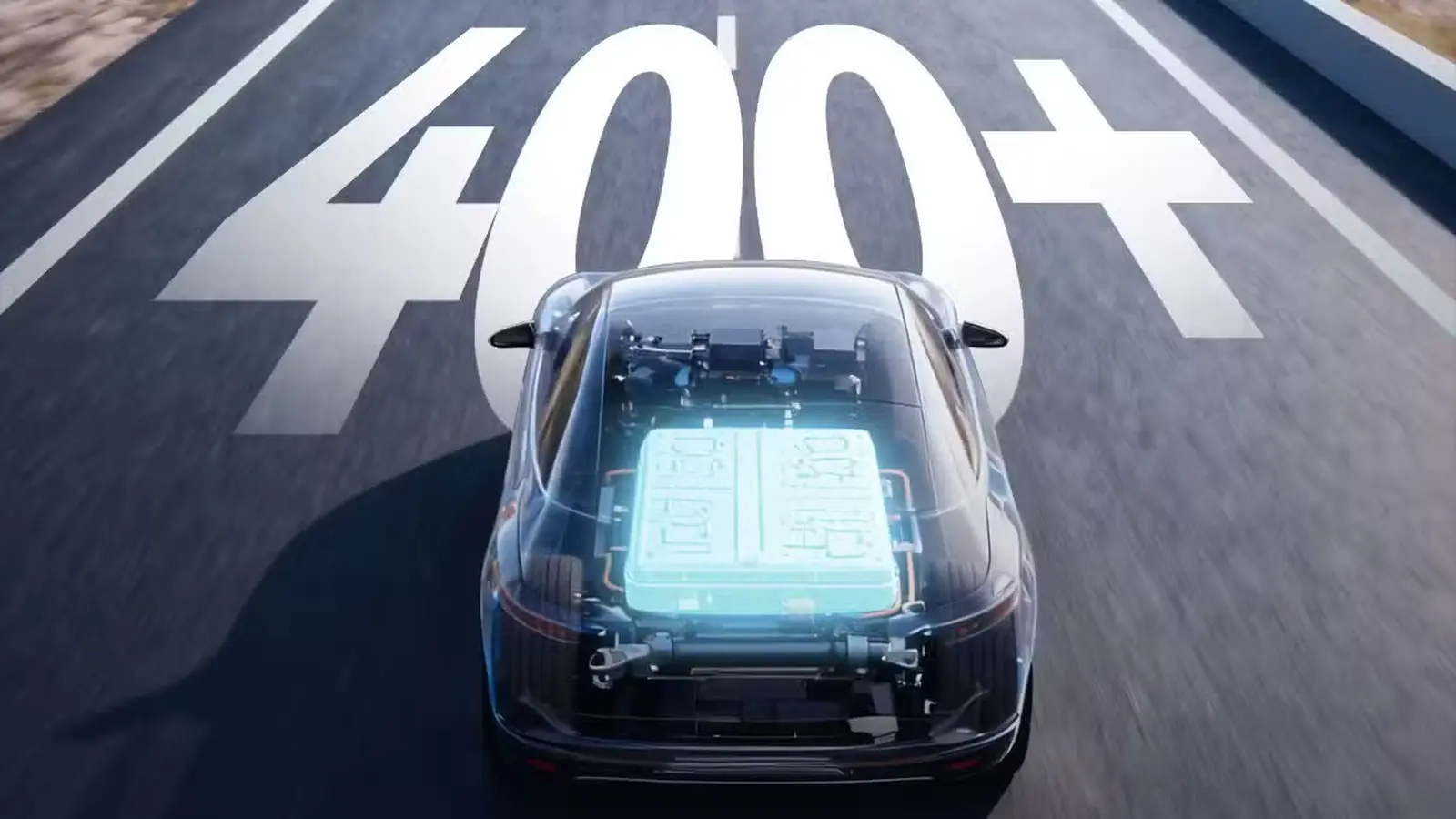
Svolt Energy has begun mass production of what it says is now the largest plug-in hybrid battery in China: an 80-kWh pack called Fortress 2.0. The first units have rolled off the line at the company’s Changzhou plant in Jiangsu province, marking a notable step in the fast-moving race to stretch hybrid driving range without sacrificing everyday practicality.
The new battery is a clear leap over Svolt’s previous 59-kWh system, with capacity up 35.6 percent. It has been developed mainly for large family vehicles and tougher driving conditions, where buyers want more electric-only miles and less time spent thinking about the next charge.
That extra size has not come at the expense of efficiency. Svolt says Fortress 2.0 uses a highly integrated design that improves both volumetric utilization and energy density by 6 percent compared with the earlier version. In plain terms, the company has packed more usable power into the same basic space. That matters, especially in big vehicles where every millimeter counts.
For drivers, the headline figure is the claimed all-electric range. Svolt says D-class plug-in hybrid models using the battery should be able to travel more than 400 kilometers on electricity alone. For many owners, that could change the daily rhythm completely. Short commutes, school runs, shopping trips. All of them could be handled with very little fuel use.
The charging numbers are just as aggressive. Fortress 2.0 supports peak 6C fast charging, which Svolt says can add enough energy for more than 400 kilometers of electric driving in just 10 minutes. That kind of refill speed is exactly what could make large PHEVs feel far less like a compromise and far more like a mainstream solution.

Safety gets a serious upgrade
Svolt has also put a spotlight on thermal protection. The battery pack uses nano-thermal ceramic insulation materials for the first time, with the company claiming it can resist fire for 30 minutes under extreme temperatures of 1,000 degrees Celsius. That is the sort of specification automakers and buyers both notice, especially as battery safety remains one of the biggest talking points in electrified vehicles.
The new high-capacity PHEV battery is expected to appear first in a new plug-in hybrid model that will be unveiled at the Beijing Auto Show later this month. If Svolt’s timing holds, this could become one of the more closely watched debuts of the show.
China’s hybrid market has been moving quickly in this direction. Batteries are getting larger, electric ranges are climbing, and the line between a traditional hybrid and a full EV is becoming harder to define. Buyers want the quiet, low-cost driving of electricity, but they also want the reassurance of a fuel tank. That balance is shaping the next wave of PHEVs.
Leapmotor offered a glimpse of that shift in October 2025 with the D19 SUV, whose extended-range version uses an 80.3-kWh CATL battery, the largest ever fitted to an EREV at the time. The model is set to go on sale later today, with up to 500 kilometers of electric range in EREV form. The message is obvious. Bigger batteries are no longer limited to pure EVs.
Svolt, which was spun off from Great Wall Motor, remains a relatively small player in China’s battery supply chain, but one that is gaining attention. In March, it held a 1.84 percent share of the country’s overall power battery installations, according to data from the China Automotive Battery Innovation Alliance. Small share, yes. But moves like this suggest the company is aiming much higher.

“I love exploring gadgets, apps, and trends that redefine how we connect, work, and play in a digital world.”

Discussion
Leave a Comment