
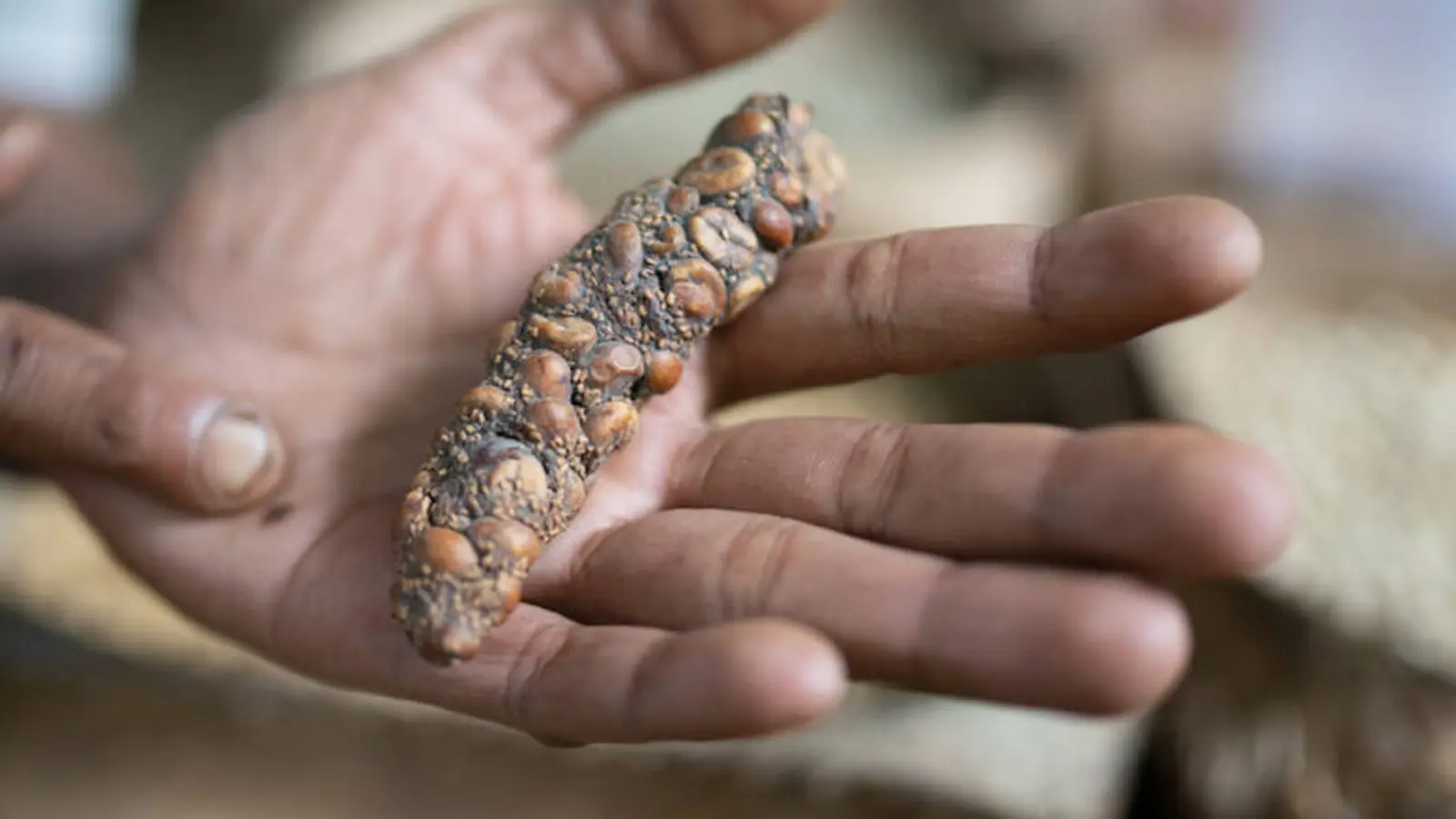
The world’s priciest coffee, kopi luwak, is more than a novelty: researchers now say the civet’s digestive process leaves a measurable chemical fingerprint on the beans. A new study from Central University of Kerala probes what exactly changes when a small South Asian mammal samples ripe coffee cherries and passes the beans intact.
From forest forager to luxury brew: what researchers compared
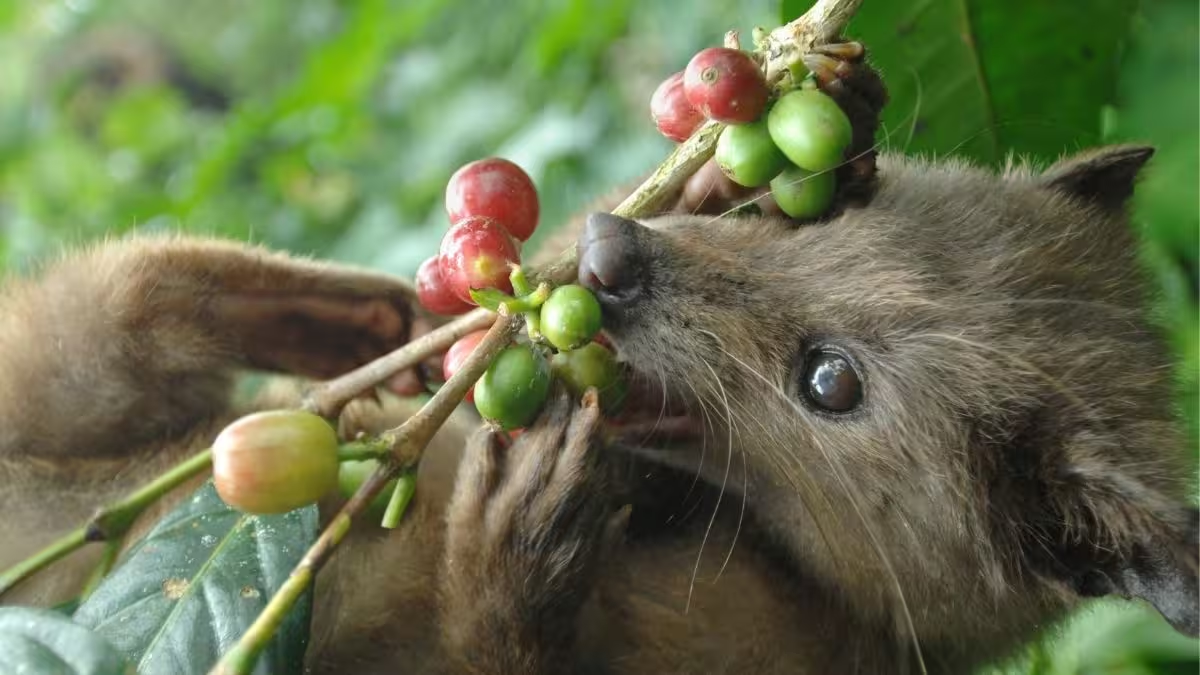
The study led by zoologist Palatty Allesh Sinu compared ripe Robusta cherries collected directly from five estates in India with beans recovered from wild Asian palm civet (Paradoxurus hermaphroditus) droppings on the same properties. The goal was straightforward: isolate biochemical differences produced by natural digestion and fermentation in the civet’s gut rather than by roasting, blending or marketing hype.
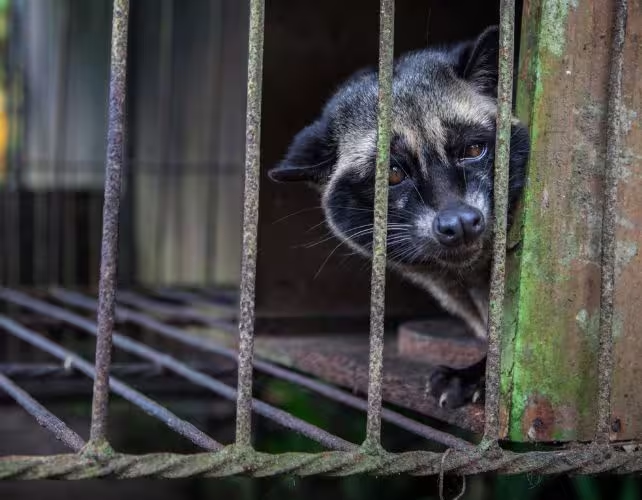
Field conditions matter. In the wild, civets eat select ripe fruits and defecate undigested beans; in captivity, animals are often confined and fed a restricted diet solely of coffee cherries. That distinction appears critical for both bean quality and animal welfare.
What changes inside the bean? The chemistry of civet coffee
Physically, post-civet beans were noticeably larger and had higher fat content than freshly harvested ones. Protein and caffeine levels stayed essentially the same, but more revealing was the chemical profiling: civet-processed beans showed elevated levels of caprylic acid and capric acid methyl esters—compounds linked to flavor enhancement and a dairy-like aroma.
Why those molecules matter
- Caprylic acid and capric acid derivatives contribute short, creamy, coconut- or dairy-like notes that can soften typical coffee bitterness.
- Natural gut fermentation and enzymatic exposure likely modify bean constituents, producing volatile esters that change the aroma profile before roasting.
As the authors put it: "These observations go with the hypothesis that the civet's digestive process, comprising natural fermentation along with the enzymatic uptake, modifies the beans' chemical composition, intensifying the flavor and adding to the distinctive sensory characteristics of civet coffee."
Ethics, authenticity and the market
Once a novelty discovered over a century ago, kopi luwak can sell for more than US$1,000 per kilogram. That price has driven demand, and with it, troubling practices: investigations have revealed civets kept in small wire cages and force-fed coffee cherries, often deprived of normal behavior and diet. Poaching and captive farming are now serious conservation and welfare issues as demand grows. (Nicky Loh/Stringer/Getty Images for World Animal Protection)
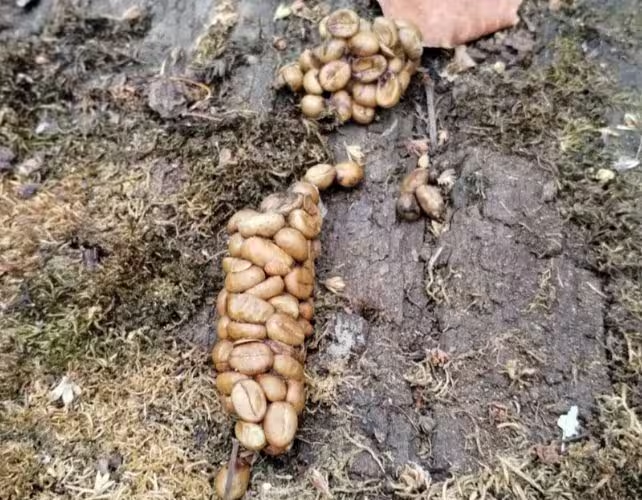
One of the prized poops
Implications for sustainable production and future research
Understanding the specific chemical changes caused by natural civet digestion could help the coffee industry develop ethical alternatives that mimic desirable sensory traits without exploiting wild animals. The Kerala team notes most commercial kopi luwak uses Arabica beans and that their analysis focused on unroasted beans; roasting will further alter the chemistry and aroma profile, so additional studies are needed on roasted samples.
Future work should map aroma molecules at a molecular level and create reliable tests to authenticate civet-processed beans. Robust chemical markers could protect consumers from fraud and encourage producers to adopt humane, sustainable methods. A clearer scientific fingerprint for kopi luwak might allow flavor-focused producers to replicate or ethically reproduce the brew’s distinct notes without harming civets.
Whether the documented chemical differences justify kopi luwak’s premium price is ultimately a consumer judgment. What’s not debatable: conservation, transparency and verified authenticity are essential if the coffee market is to reconcile rarity, taste and humane practice.

“My work centers on sustainability, energy, and environmental science — examining how innovation can lead to a greener future.”

Discussion
Leave a Comment