
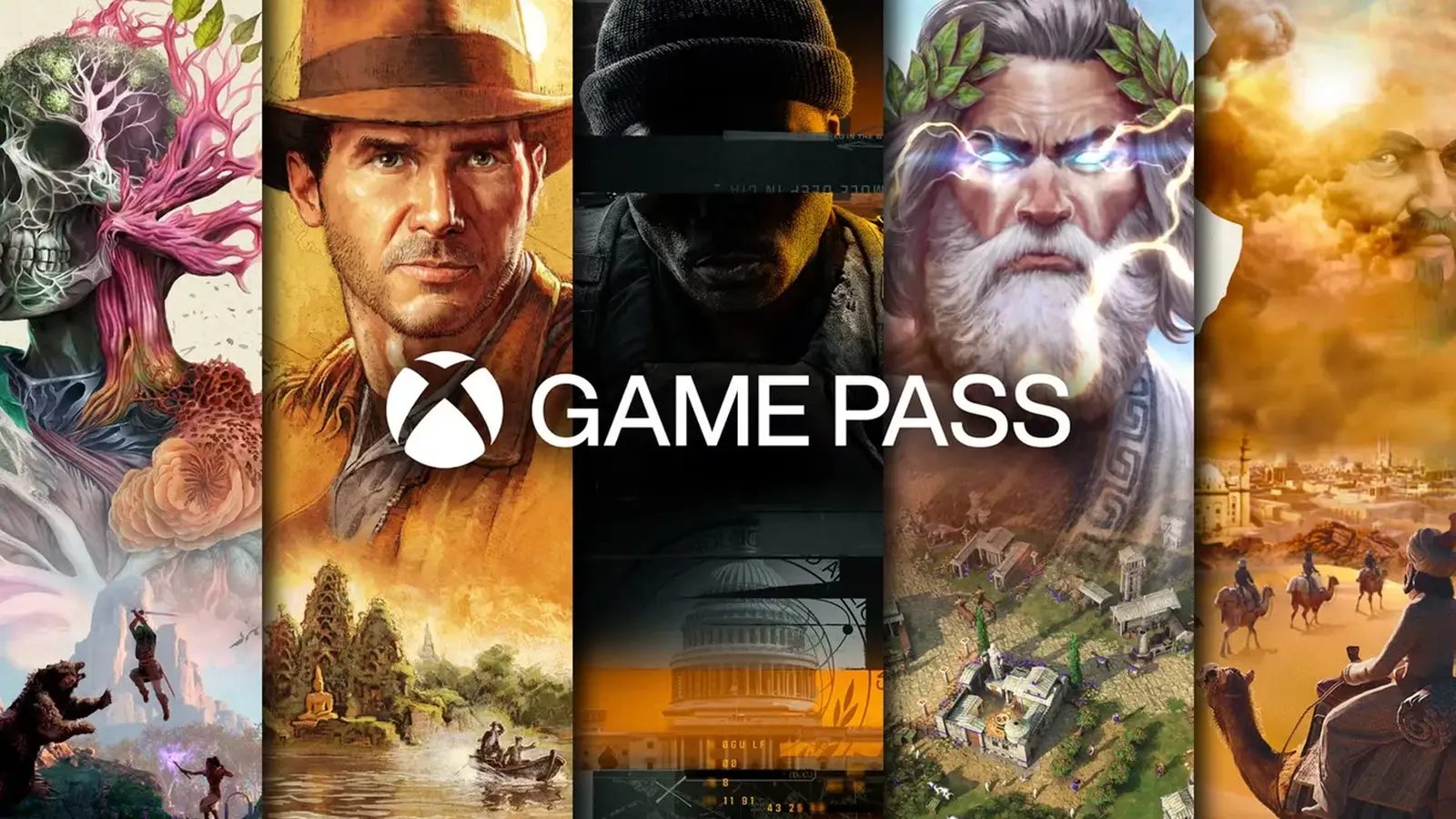
Xbox Game Pass has rarely been this easy to explain. The prices are down. The catch is obvious. And Microsoft, for once, seems to be betting that fewer people will complain about what’s missing if the monthly bill looks a little friendlier.
Ultimate now sits at $22.99 a month, down from $29.99, while PC Game Pass has been trimmed to $13.99 from $16.49. In a year where subscription costs have crept up across entertainment, that kind of cut will catch attention. It’s not a token discount either. For anyone juggling Netflix, Spotify, cloud storage, and a few game libraries, those savings add up fast.
The price cut comes with a very visible trade-off
Here’s the part Microsoft would probably prefer to bury in the fine print. New Call of Duty releases will no longer land on Game Pass day one. Instead, they are expected to show up much later, roughly a year after launch. The older Call of Duty catalog stays in place, so this is not a full exit. But the headline promise, the one that made Game Pass feel almost absurdly generous, has clearly changed.
That promise mattered. A lot. “Pay once, play big games on release day” was the pitch that turned Game Pass into one of gaming’s most talked-about subscriptions. Losing that instant access to one of the industry’s biggest annual franchises changes the mood around the service, even if the back library remains strong.
The reaction has been split, predictably enough. Some players are relieved. If Call of Duty was never the reason they subscribed, the lower price feels like a clean win. Less money out. Same games they actually use. Hard to argue with that.
Others see a warning sign. If Microsoft is willing to step back from a flagship title, what comes next? That is the question hanging over the whole move. Not everyone is worried about today’s price. They’re worried about the shape of the bundle six months from now.
And then there’s the more curious camp, the one already thinking out loud about what else could be removed. EA Play. Fortnite Crew. Even more third-party perks. The logic is simple enough: if cutting one expensive layer makes the service cheaper, why stop there?
That is the real tension here: Game Pass is becoming more affordable, but it is also becoming less all-encompassing.
Microsoft’s reasoning is not hard to follow. Call of Duty is not just another title sitting quietly in a catalog. It is a yearly blockbuster with a massive built-in audience, and many of those players were always likely to buy it outright anyway. That creates a strange equation. The inclusion was expensive, but the upside inside Game Pass was limited. In practical terms, it was a luxury perk that probably made more sense on paper than in the balance sheet.
Reporting from Bloomberg has suggested Xbox gave up more than $300 million in Call of Duty sales across consoles and PCs last year. If that figure is anywhere close to accurate, the company was carrying a very costly promise. At some point, the math stops being charming.
Still, there’s a reason Microsoft cannot simply keep stripping features until the price looks irresistible. Game Pass works because it feels like a complete ecosystem, not a build-your-own discount shelf. Remove too much, and the service risks becoming exactly what people fear most: a fragmented subscription with too many asterisks.
That matters even more now, as Microsoft continues to experiment with bundling and cross-service value. The company has already floated bigger ecosystem plays, including possible ties to services like Netflix. If that wider strategy is still in motion, then a leaner Game Pass has to be handled carefully. Too much pruning, and the whole package starts to lose its identity.
For years, Game Pass felt almost too good to be true. Day-one releases. A huge library. A monthly price that undercut what many expected a premium gaming service to cost. Eventually, that had to be tested. The inclusion of Call of Duty from day one was always going to be the hardest part of that equation to sustain.
So yes, this is a downgrade in one very specific sense. But it is also Microsoft admitting that scale has limits. Instead of pushing the price higher and higher, the company has chosen to make the service cheaper by removing one of its most expensive promises. That may not be the glamorous move. It may not thrill the loudest fans. But it does look like a reset with staying power.

“I love exploring gadgets, apps, and trends that redefine how we connect, work, and play in a digital world.”

Discussion
Leave a Comment