
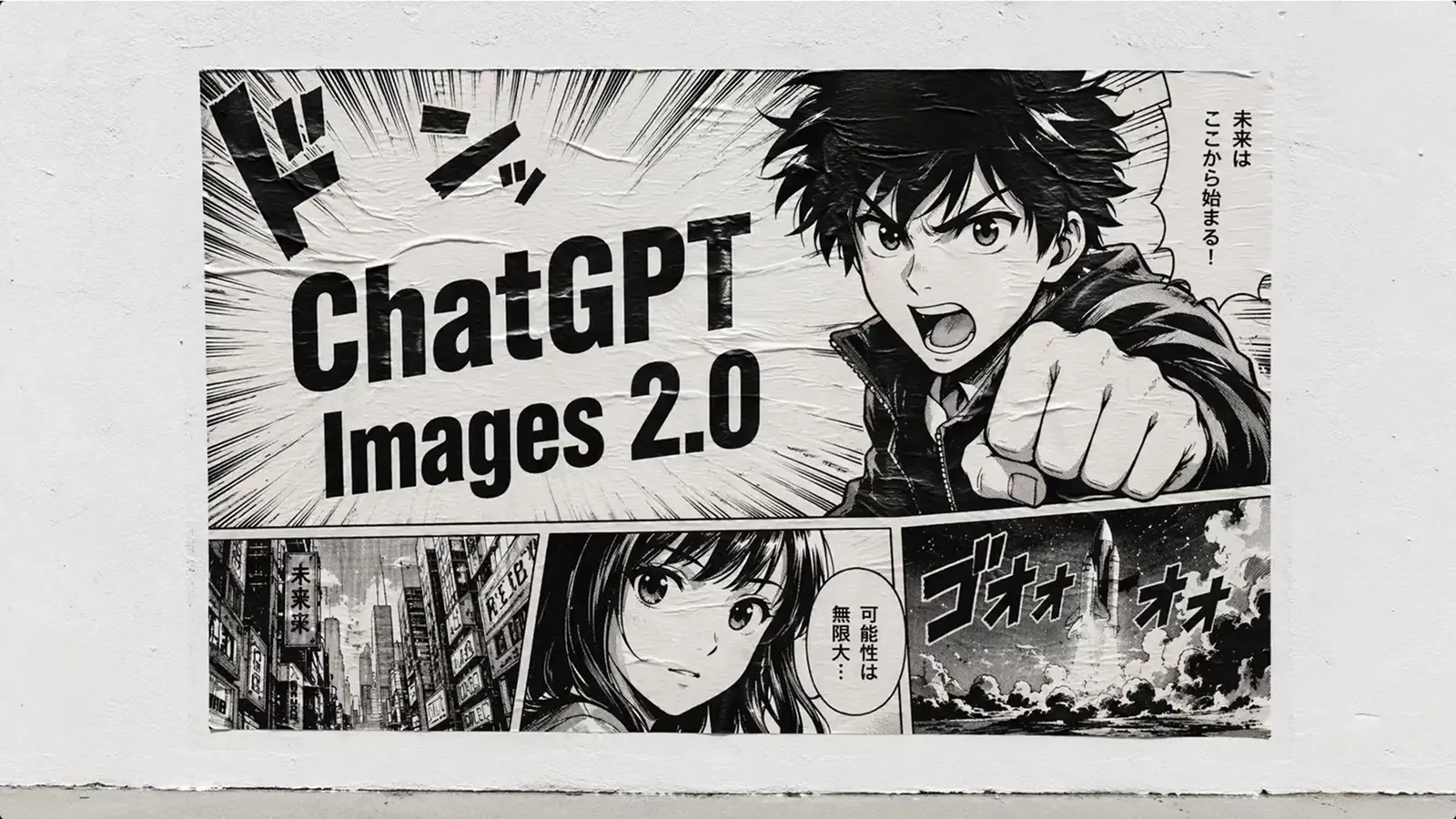
OpenAI has pushed its image generation tools a step closer to something that feels less like a filter and more like a creative assistant. ChatGPT Images 2.0 is now rolling out with what the company calls thinking capabilities, and that changes the conversation fast.
Instead of simply turning a prompt into a picture, the new system can research and synthesize information from the web, then turn that material into polished, production-level visuals. In practice, that means it is being pitched not just as an image generator, but as a tool that can help build charts, infographics, diagrams, and other visual assets with far more context than before.
OpenAI is also framing Images 2.0 as a serious alternative to standalone editing apps. It can remove backgrounds, adjust aspect ratios, and generate up to eight images at once in 2K resolution. That makes it a much more flexible option for creators, marketers, and teams that need visuals quickly without jumping between multiple tools.

A sharper eye for details
One of the biggest improvements is how well the model handles structured visuals. Infographics and diagrams are said to come out with noticeably better fidelity, and the update supports a wider range of languages with stronger accuracy. It also appears to follow prompt instructions more faithfully, which is often the difference between a usable result and a frustrating retry.
That matters more than it sounds. Anyone who has used AI image tools knows the pain of losing a key detail, drifting off-theme, or getting awkward text rendering. OpenAI seems to be targeting those weak spots directly, especially for users who need visuals that are not just attractive, but actually usable in professional settings.
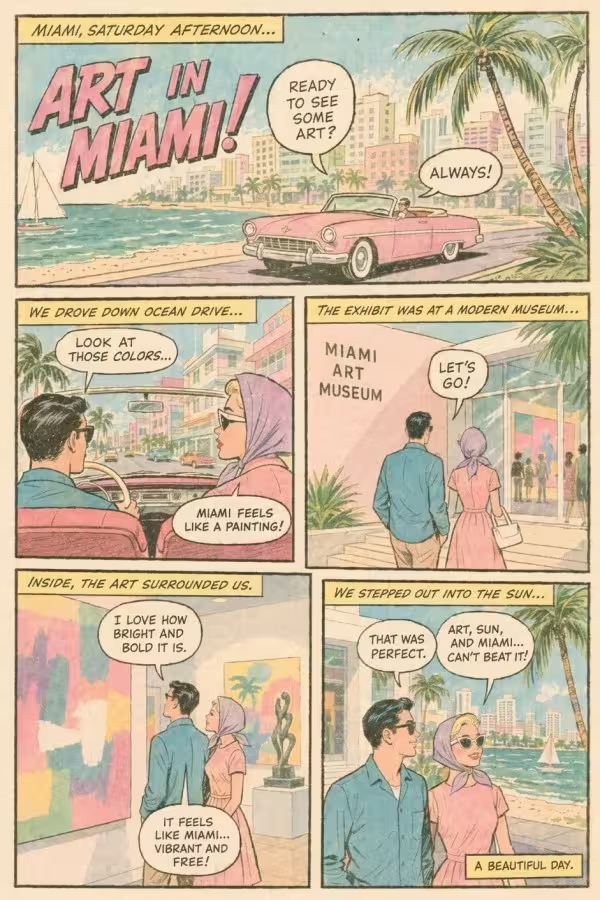
ChatGPT Images 2.0 is available to all ChatGPT users, but the more advanced “Images with thinking” mode is reserved for Plus, Pro, Business, and Enterprise plans. So while everyone gets access to the new generation engine, the smartest layer of the experience sits behind the paid tiers.
The bigger picture is hard to miss. OpenAI is moving image generation away from one-shot novelty and toward a workflow tool that can reason, gather context, and produce cleaner output at scale. For teams that live and die by speed, consistency, and visual quality, that is a meaningful shift.

“I cover emerging technologies, digital innovation, and the intersection of tech and everyday life. My goal is to make complex trends accessible and inspiring.”

Discussion
Leave a Comment