
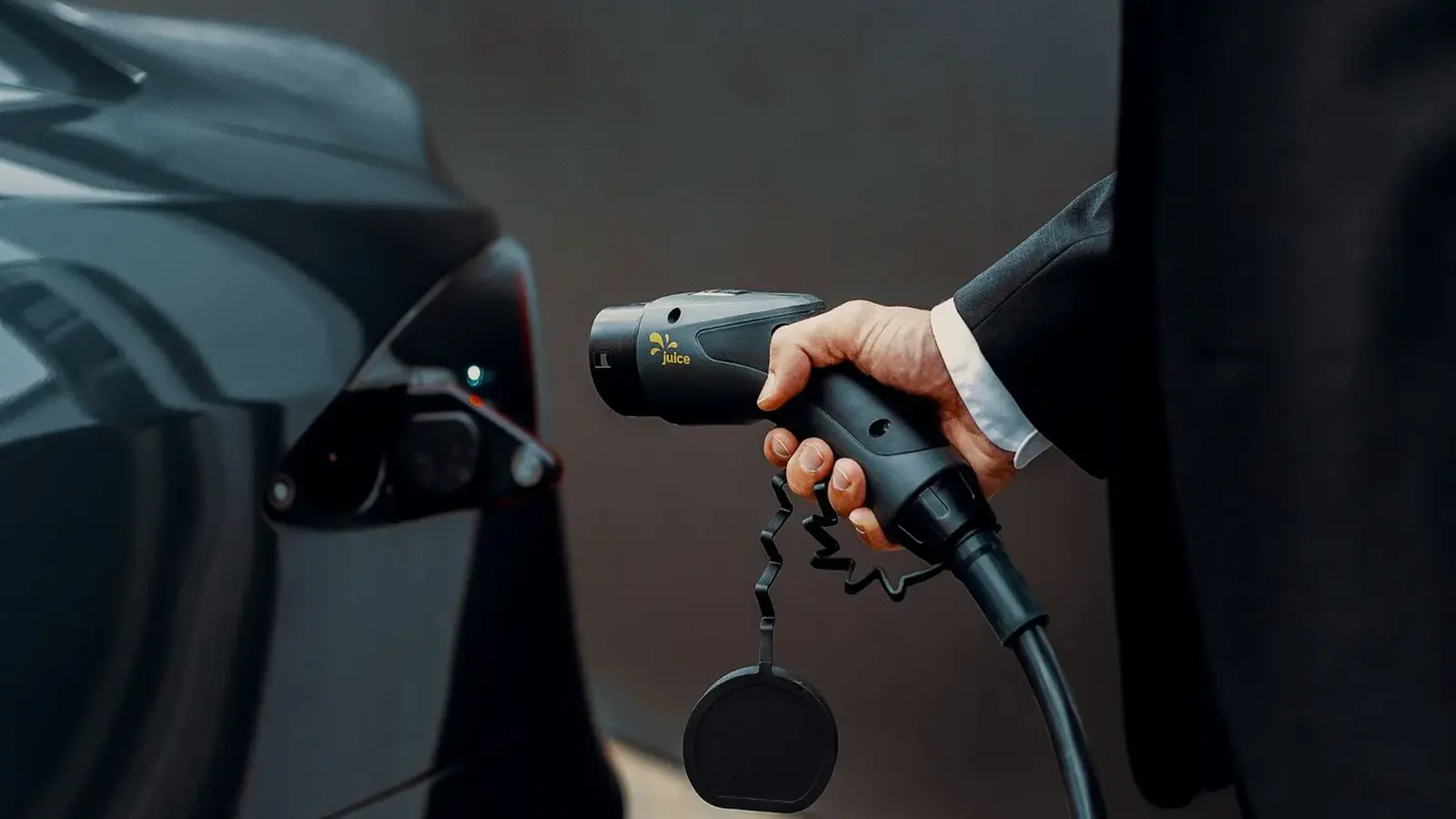
Six minutes. That is all it takes now for some of the newest electric vehicles to gain enough charge to make today’s EV headlines look almost outdated.
CATL’s third-generation Shenxing battery, unveiled in April 2026, can reportedly move from 10% to 98% in just over six minutes. BYD’s second-generation Blade battery, matched with its Flash Charging system, claims 10% to 70% in five minutes and a near-full charge in under ten, even in temperatures as low as -30°C. On paper, that is the kind of breakthrough the industry has chased for more than a decade.
And yet the timing feels strange. Charging is getting dramatically better just as EV demand in markets such as the United States appears to be losing some of its momentum. That tension says a lot about where the industry is, and where it has misunderstood the problem.
Fast charging is no longer the headline it once was
For years, automakers framed EV adoption around range anxiety. Then came charging anxiety, which was at least closer to the truth. Nobody wants to spend half an hour waiting beside a highway charger on a cold night. Now that wait is shrinking fast.
Even Western brands are making progress. The Porsche Taycan can add meaningful range in under 20 minutes. Tesla’s Model 3 still delivers solid charging times in the 15 to 20 minute range, while newer platforms such as the Audi Q6 e-tron keep nudging the numbers forward.

But that is the key difference. In the West, progress has been incremental. In China, it has been a leap.
By moving to 800V and even 1000V architectures, improving thermal management, and scaling lithium iron phosphate batteries at speed, companies like BYD and CATL are doing more than shaving minutes off a spec sheet. They are rewriting expectations.
Six minutes is not just an improvement. It is a reset.
That kind of figure makes for a great press release. It also reveals something uncomfortable: the industry has spent years optimizing for the headline, not necessarily for the way people actually live with a car.
The charger matters as much as the battery
A six-minute charge means very little if the charger is occupied, out of service, or nowhere near where drivers need it. Fast batteries do not automatically fix a weak charging ecosystem.
This is where the gap between China and the West becomes more than a battery story. China’s advantage is not just chemistry. It is coordination. Infrastructure, policy, manufacturing, and deployment all move together.
The Western EV experience still feels fragmented by comparison. Drivers may own a car capable of ultra-fast charging, but the network may not support it reliably. They may find a charger, but not at the right power level. And they will almost certainly pay more for the experience than they expected.
That is why the real issue is not simply speed. It is trust.
When buyers say they are worried about charging, they are usually asking a more basic question: can I rely on this? Will the charger be available? Will it work? Will the process feel normal, or like a gamble?
No battery breakthrough solves that on its own.
Google seems to understand the problem better than some automakers do. Earlier this year, Google Maps expanded battery predictions and trip planning to more than 300 EV models, quietly tackling the anxiety that surrounds route planning and range estimates.
Cold weather may be the bigger breakthrough
If there is one area where battery innovation could change everyday EV ownership, it may not be speed at all. It may be consistency, especially in cold weather.
Anyone who has driven an EV through winter knows how quickly range can fall and charging can slow. That is not a minor inconvenience. It changes how people use the vehicle, where they travel, and how much confidence they have in the technology.
CATL and BYD are both pushing harder on that front, with technologies such as pulse self-heating designed to reduce cold-weather charging slowdowns. That kind of progress may not sound as dramatic as a six-minute headline, but it addresses a problem drivers actually feel.
And that matters more than a spec-sheet victory. If an EV behaves predictably in every season, it becomes easier to trust. Easier to buy. Easier to live with.
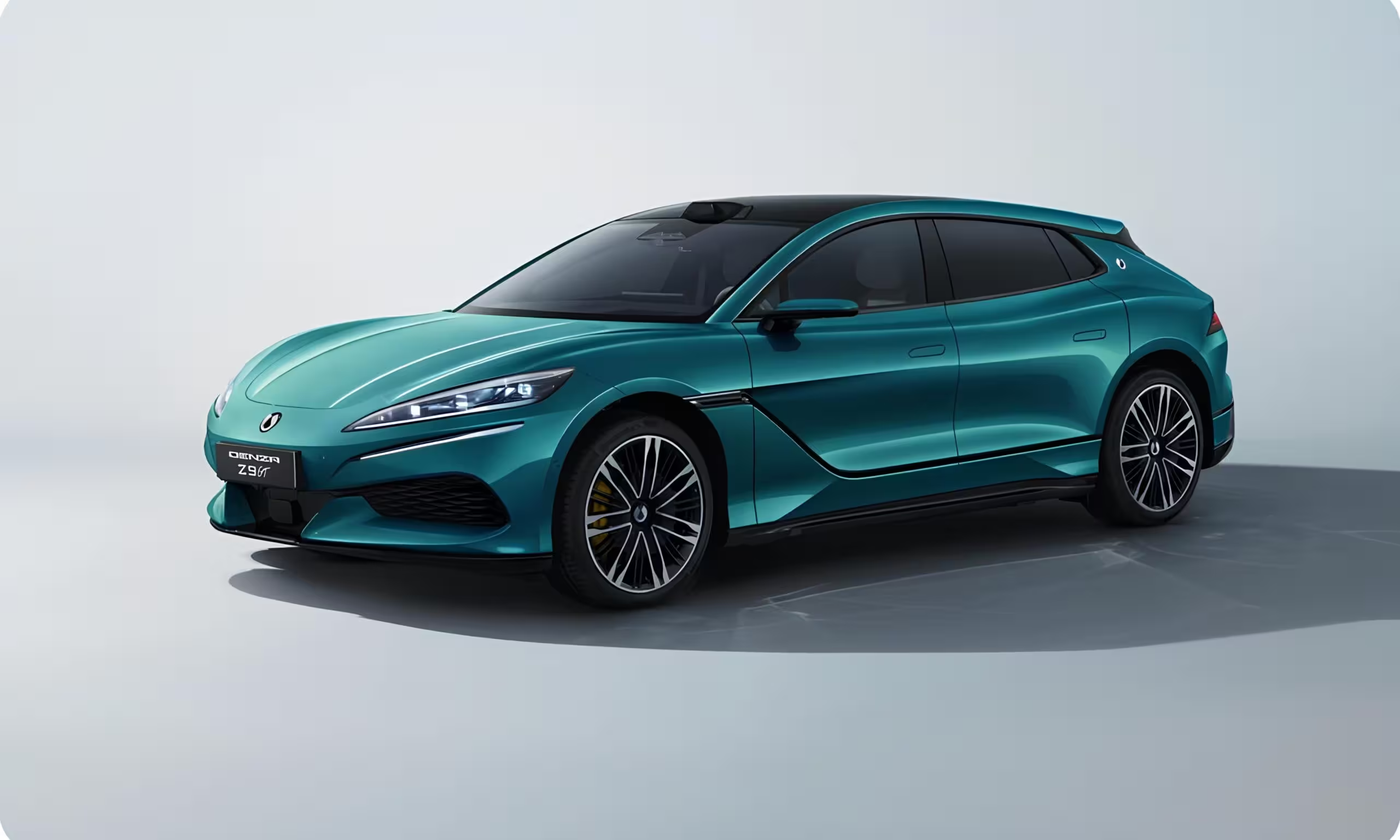
As Chinese models like the Denza Z9GT enter more global markets, the pressure on Western automakers will only grow. The gap will become harder to ignore, especially if competitors keep focusing on core hardware while others lean heavily on software and cabin tech.
A car that charges in six minutes sounds like the future. A car that fits into your life without friction is what actually sells.
The EV industry is still chasing a finish line, but it may not be the one buyers care about most. Ultra-fast charging will matter, eventually. So will LFP, sodium-ion, and solid-state batteries as they mature. But the real breakthrough will not come from one battery announcement.
It will come when the whole experience catches up. Reliable infrastructure. Fair pricing. Consistent performance. Less hassle.
Until then, the technology is running ahead of reality. And that is why six-minute charging, impressive as it is, still feels a little ahead of the moment, especially in the U.S. market.

“I cover automotive innovation, electric vehicles, and the future of mobility — where technology meets sustainability.”

Discussion
Leave a Comment