
6 Minutes
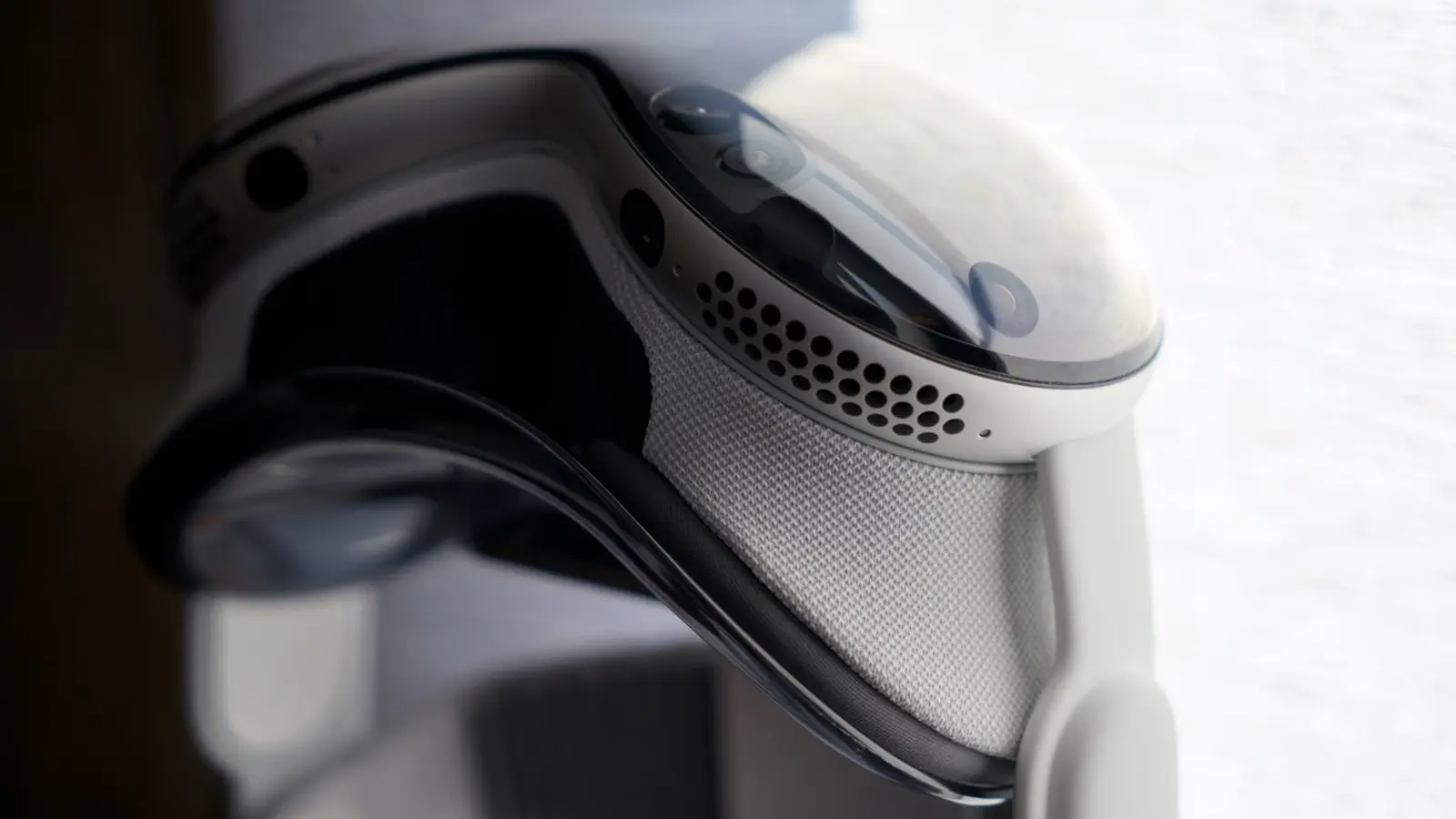
Apple loves long games, and that is exactly why the latest rumor around the Apple Vision Pro should be read with caution. A report suggesting the dedicated hardware team has been broken up has sparked the usual wave of obituaries for the headset. That leap is tempting. It is also probably wrong.
The headline-grabbing part is simple: if a team is dissolved, the product must be dead. In Apple’s world, it rarely works that neatly. Internal reshuffles happen all the time, especially when a first-generation device has already reached the point where the next leap depends less on manpower and more on waiting for components, battery technology, displays, and thermal design to catch up.
According to the report, Apple has reassigned parts of the Vision Pro group to other areas, including Siri and AI efforts. That sounds dramatic until you remember where Apple has been putting its energy since WWDC 2024. Artificial intelligence became the company’s most urgent battleground, so moving top engineers into those projects feels less like surrender and more like resource allocation. In other words, standard Apple behavior.
What made the Apple Vision Pro unusual from the start was not that it existed, but how it was built inside Apple. Unlike the iPhone, iPad, Apple TV, or HomePod, the headset appears to have had a more dedicated hardware structure around it. That was always a sign of strategic importance. Tim Cook clearly saw spatial computing as more than a side experiment, and the naming tells its own story. Mike Rockwell’s organization became the Vision Products Group, not a team built around one headset model and nothing else.
That distinction matters. The future of Apple’s vision platform was never meant to live or die with a single hardware revision. visionOS remains in active development, and the software ecosystem around Apple’s mixed reality ambitions is still very much alive. Even if the current headset design has reached a pause, the platform beneath it has not.
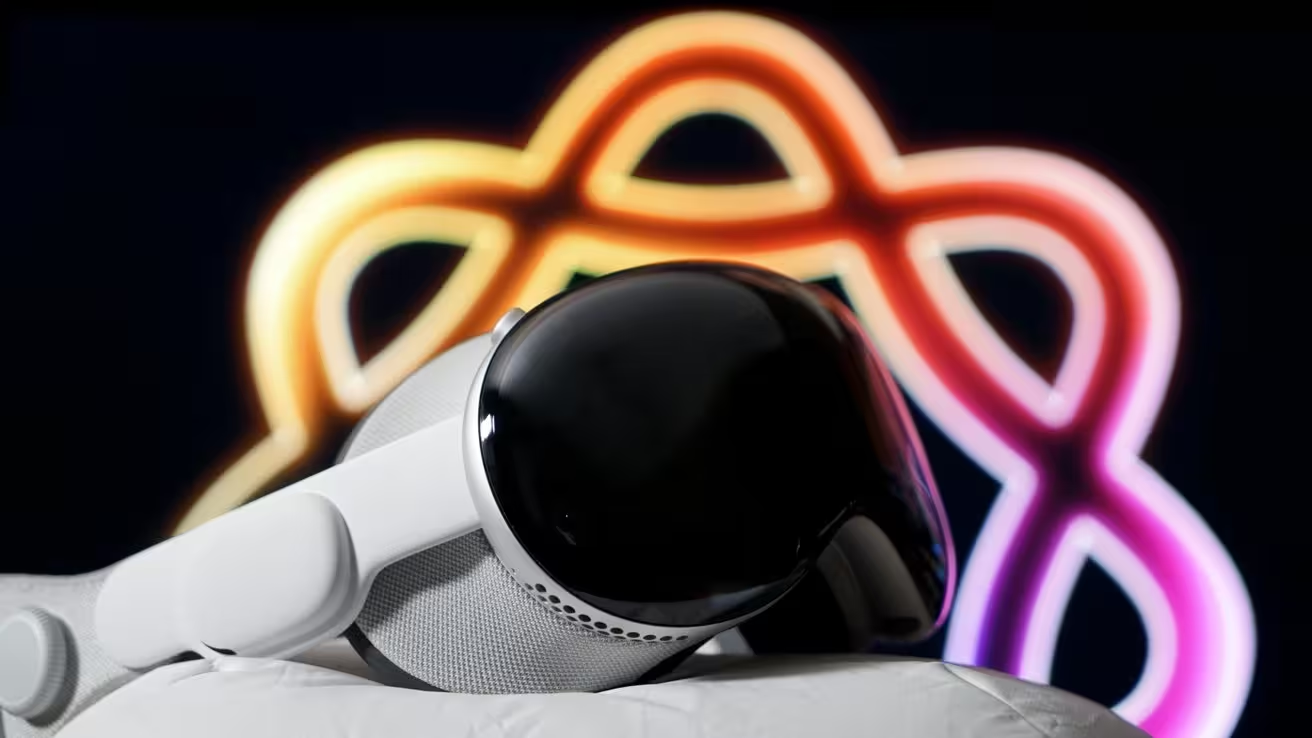
What looks like a pause may just be physics
The strongest case against the death narrative is the technology itself. Apple can imagine a lighter, cheaper, more comfortable successor to the Vision Pro. Building it is the hard part. Anyone who has followed Apple’s history knows this pattern well. Products often spend years in the lab because the parts are not ready, not because the idea has lost support.
Jony Ive once explained that the Apple Watch had to wait for the right balance of display, battery, and enclosure technology before it could become a real product. The same logic applies here. A true second-generation spatial computer cannot simply be faster. It has to feel less bulky, less compromised, and more natural to wear. That is not a software problem. That is an engineering and supply chain problem.
Seen through that lens, breaking up a dedicated hardware team after the M5 update makes practical sense. If Apple already knows what it wants next but cannot ship it until the underlying tech improves, keeping a full product-specific team locked in place would be inefficient. Prototype work can continue in research and development while other engineers move to projects that need immediate attention.
And despite the chatter, the first Vision Pro was not some invisible market failure. Reports have suggested sales topped 600,000 units in its first year, with additional uptake afterward. For a niche first-generation headset aimed at both developers and enterprise users, that is hardly a trivial footprint. It may not be an iPhone-sized phenomenon, but Apple never needed it to be one this early.
There is also a bigger strategic picture. Apple’s interest in smart glasses has not vanished. If anything, that category looks like the more consumer-friendly bridge between today’s headset and tomorrow’s true augmented reality glasses. Those products may not run full visionOS in the current sense, and they may look more like wearable audio and AI devices than full spatial computers at first. Still, they point in the same direction.
Apple’s hiring signals tell a similar story. The company continues to list roles tied to AR, VR, vision systems, and related hardware and software work. That does not look like a company walking away from spatial computing. It looks like a company adjusting its route.
Then there is the content ecosystem. Apple has already spent heavily to build immersive media experiences around the platform, especially through Apple Immersive Video. Companies do not invest that kind of money just to quietly shut the door a year later. The software, services, and media strategy still need somewhere to go.
If there is a real pressure point, it is not whether Apple believes in the category. It is whether developers do enough with it. The Vision Pro still needs broader app support, better reasons for mainstream users to care, and software that makes the hardware feel essential rather than impressive. That challenge remains very real, and upcoming developer events will say more about the platform’s health than rumors about internal org charts ever could.
Apple may be done with this exact Vision Pro form factor for now, but that is very different from abandoning spatial computing.
The smarter read is less dramatic and more believable: Apple is waiting. Waiting for lighter components. Waiting for better batteries. Waiting for the moment when the next version feels less like a remarkable prototype and more like the future people were promised. Until then, the Apple Vision story is not over. It is simply between chapters.


Comments
skyspin
Makes sense. Waiting for batteries, lighter parts. visionOS and content still active, just a quiet pause for now, kinda.
Marius
I've seen this in product teams, they reshuffle and keep R&D humming. Apple prob just reallocating ppl, if that's real tho...
coinpilot
So they broke up the team, ergo dead? sounds flimsy. Apple waits for parts not hype, right? Is this even true?

Leave a Comment