
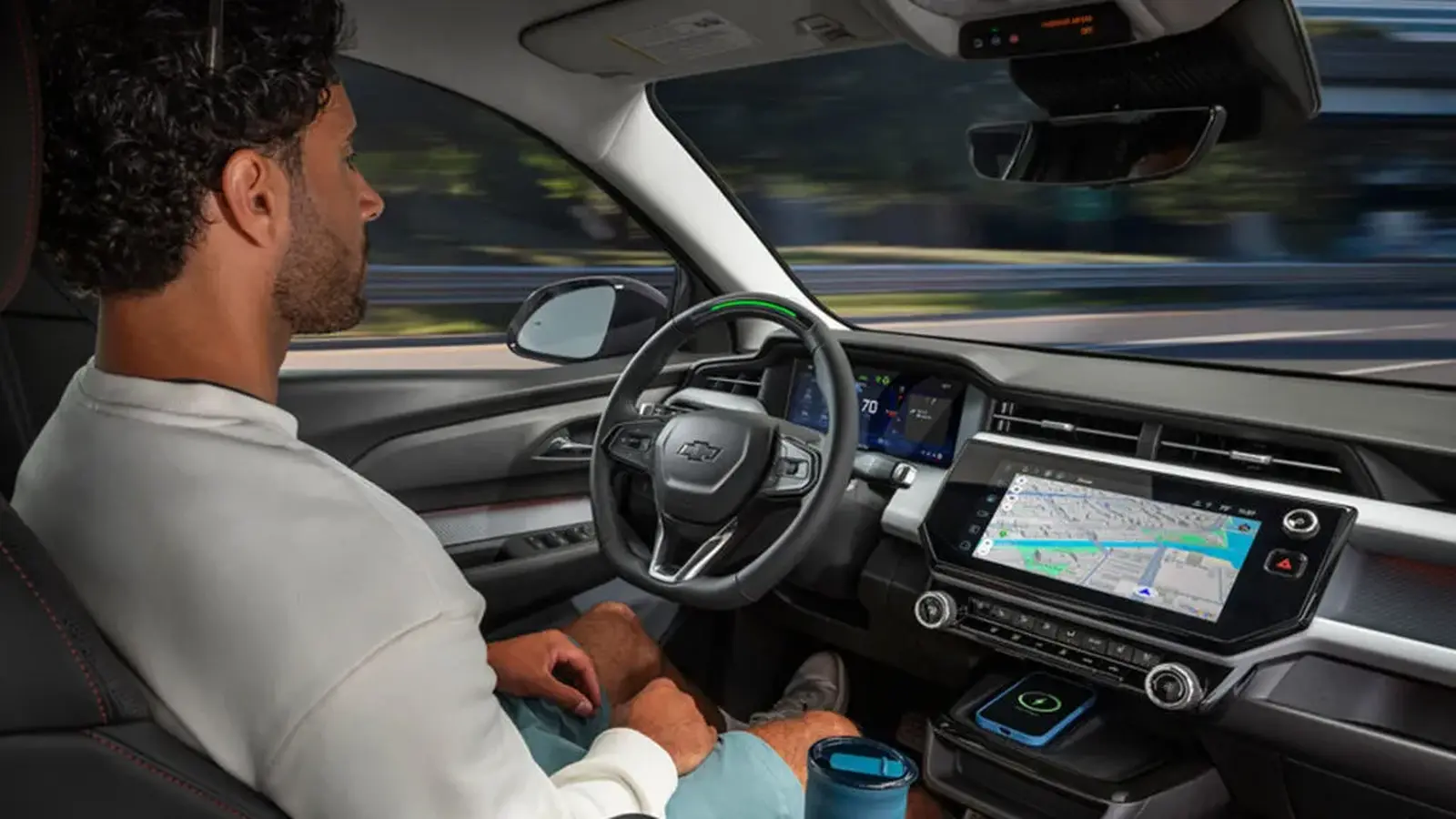
Nearly all the software behind GM’s autonomous driving push is no longer being typed line by line by human engineers. According to CEO Mary Barra, almost 90% of the code produced by the company’s autonomy team is now generated by artificial intelligence. For a carmaker betting big on hands-free and eventually eyes-off driving, that is as striking as it sounds.
The comment came during GM’s first-quarter earnings call, and it instantly reframed the conversation around the company’s future tech strategy. Barra described it as proof of how deeply GM is folding AI into its broader operation, not just as a tool for flashy demos, but as part of the actual engineering process shaping the vehicles it plans to sell.
That matters because GM is preparing the next chapter of Super Cruise, its flagship driver assistance system. The upcoming version, scheduled to debut in 2028 on the Cadillac Escalade IQ, is expected to move beyond today’s supervised hands-free setup and into what GM describes as eyes-off, hands-off driving on highways.
It is a major leap. And naturally, it raises questions. Drivers are already cautious about autonomous technology, even before hearing that AI is helping write the software stack behind it. Some will see this as progress, a smarter and faster way to build advanced systems. Others will hear it and wonder whether confidence in self-driving tech is getting ahead of public comfort.
Super Cruise is heading into more serious territory
The next-generation system is expected to be far more sophisticated than the current version of Super Cruise. GM has indicated it will combine lidar with radar and camera-based sensing, giving the vehicle a richer picture of its surroundings. On the highway, the system will also use turquoise exterior lighting to signal to passengers and nearby drivers that the car is operating autonomously.
That detail may sound small, but it speaks to a bigger challenge in the self-driving world. Autonomous driving is not only about what the car sees. It is also about what everyone around the car understands. A visible light signature could become an important way of communicating that the vehicle is in autonomous mode, especially as these systems grow more capable.

Barra’s remarks on AI-generated code landed at a time when GM is trying to present itself as both technologically ambitious and commercially disciplined. The company is not only looking toward software-defined driving. It is also wrestling with product momentum in more traditional parts of the business.
During the same call, Barra pointed to a new truck arriving later this year, widely understood to be the redesigned Chevrolet Silverado and GMC Sierra. That launch carries real weight. Demand for full-size combustion pickups remains central to GM’s business, and the company could use a boost after the lukewarm reception given to its electric truck offerings.
In that sense, the earnings call painted a revealing picture of GM in two worlds at once. One is defined by AI-written code, lidar-equipped flagships, and autonomous highway driving. The other still depends heavily on proven, high-volume trucks that customers already trust.
There was also a geopolitical note running through the update. GM said the conflict involving Iran is beginning to affect its international operations, with the company expecting some softness overseas. As conditions worsened, GM redirected roughly 7,500 full-size SUVs that had originally been intended for the Middle East.
Instead of shipping those vehicles abroad, the automaker kept them in the United States. Barra said the move was driven partly by the conflict and the logistical complications tied to getting vehicles into those markets, and partly by the need to reinforce lower inventory levels at home. For now, that decision appears to have softened the blow.
Still, that kind of disruption rarely stays neatly contained. If the conflict drags on, it could create broader supply and distribution pressure, especially in regions where demand planning is already delicate.
GM’s latest update left the industry with one especially hard-to-ignore takeaway. The future of autonomous driving may not just be about cars learning to drive themselves. Increasingly, it is also about machines helping build the logic that tells them how.

“Cars are evolving faster than ever. I cover electric vehicles, smart mobility, and the future of transportation worldwide.”

Discussion
Leave a Comment