
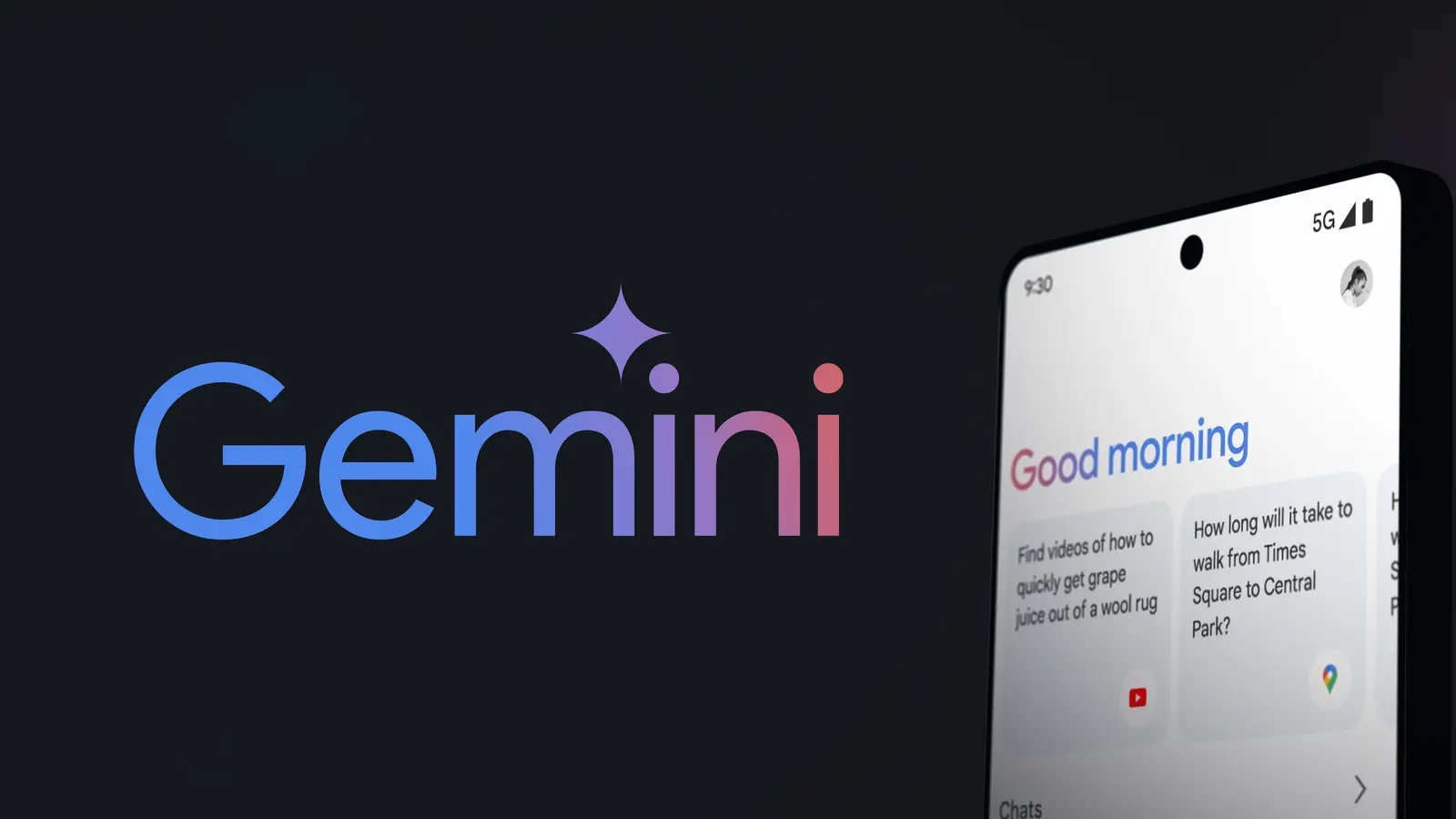
The ad-free honeymoon around AI assistants is fading fast, and Google has now made that reality official. During its late April 2026 first-quarter earnings call, the company confirmed it is preparing to weave advertising into Gemini, its flagship AI assistant.
That matters for one simple reason: Gemini is not a side project. It sits at the center of Google’s consumer AI push, and with its deep ties to Android, Search, and Google’s broader software ecosystem, any change to how Gemini works could ripple across millions of everyday interactions.
Google’s plan is not to slap old-school banner ads onto a chatbot window. Instead, the company is looking at something subtler and, depending on your perspective, more effective. Ads are expected to appear inside the conversational experience itself, especially when users ask Gemini about products, services, buying advice, or commercial recommendations. The model is familiar already. Anyone who has seen sponsored placements blended into Google’s AI Overviews in Search will recognize the direction of travel.
Philip Schindler, Google’s Chief Business Officer, framed the strategy in practical terms, arguing that commercial information can be genuinely useful when it is delivered well. That is the core pitch: if someone asks Gemini for the best wireless earbuds, hotel options in Barcelona, or a reliable cloud backup service, Google wants sponsored suggestions to feel less like interruption and more like relevant help.
Whether users will see it that way is another question entirely.
Useful recommendation or ad by another name?
This is where the tension starts. In theory, highly relevant ads can save time. In practice, the line between recommendation and monetized suggestion gets blurry the moment an AI answer feels authoritative. A chatbot does not look like a traditional ad slot. It feels like guidance. That changes the psychology of advertising in a big way.
Google appears to understand the risk. The company has recently shown off a cleaner, more minimalist Gemini interface, and it knows clutter is poison in conversational products. Surveys cited by Google suggest it is leaning toward less intrusive ad formats, likely in an effort to preserve trust and keep engagement high. That balancing act will be critical. If the experience feels overloaded or manipulative, users will notice quickly.
Still, the business logic is hard to ignore. Large language models are expensive to run. Every prompt, every generated response, every multimodal feature burns computing power at scale. For free users, advertising is the most obvious way to help cover those costs without putting the entire experience behind a paywall.
There is also a competitive angle. Google is not moving in isolation here. AI companies across the market are searching for viable business models, and ad-supported experiences are no longer off-limits. OpenAI has already been experimenting with commercial formats around ChatGPT, so Google’s decision looks less like a radical shift and more like the next phase of an industry-wide pattern.
It also sharpens the divide between free and paid AI. By introducing ads into the standard Gemini experience, Google gains a clearer way to justify Gemini Advanced as a premium tier. The message becomes obvious: pay for a cleaner, likely ad-free assistant, or stay on the free version and accept sponsored suggestions as part of the deal.
That model has worked for years across streaming, mobile apps, and productivity software. AI was never likely to be the exception.
The bigger story may be scale. Because Gemini is increasingly embedded into Android, Google is not just monetizing a chatbot. It is extending its advertising engine into a more personal, conversational layer of computing. Search ads catch intent. AI assistants may capture something even more valuable: intent wrapped in context, nuance, and follow-up questions.
That could make Gemini one of the most commercially powerful surfaces Google has ever built.
There is no launch date yet, but the direction is now public and unmistakable. Google wants Gemini to pay its way, and advertising is set to become part of that equation. The real test is not whether ads arrive. They will. The test is whether Google can make them feel useful enough that users tolerate them, or invisible enough that they barely register at all.
In AI, as in search, that may be the whole game.

“I cover emerging technologies, digital innovation, and the intersection of tech and everyday life. My goal is to make complex trends accessible and inspiring.”

Discussion
Leave a Comment