
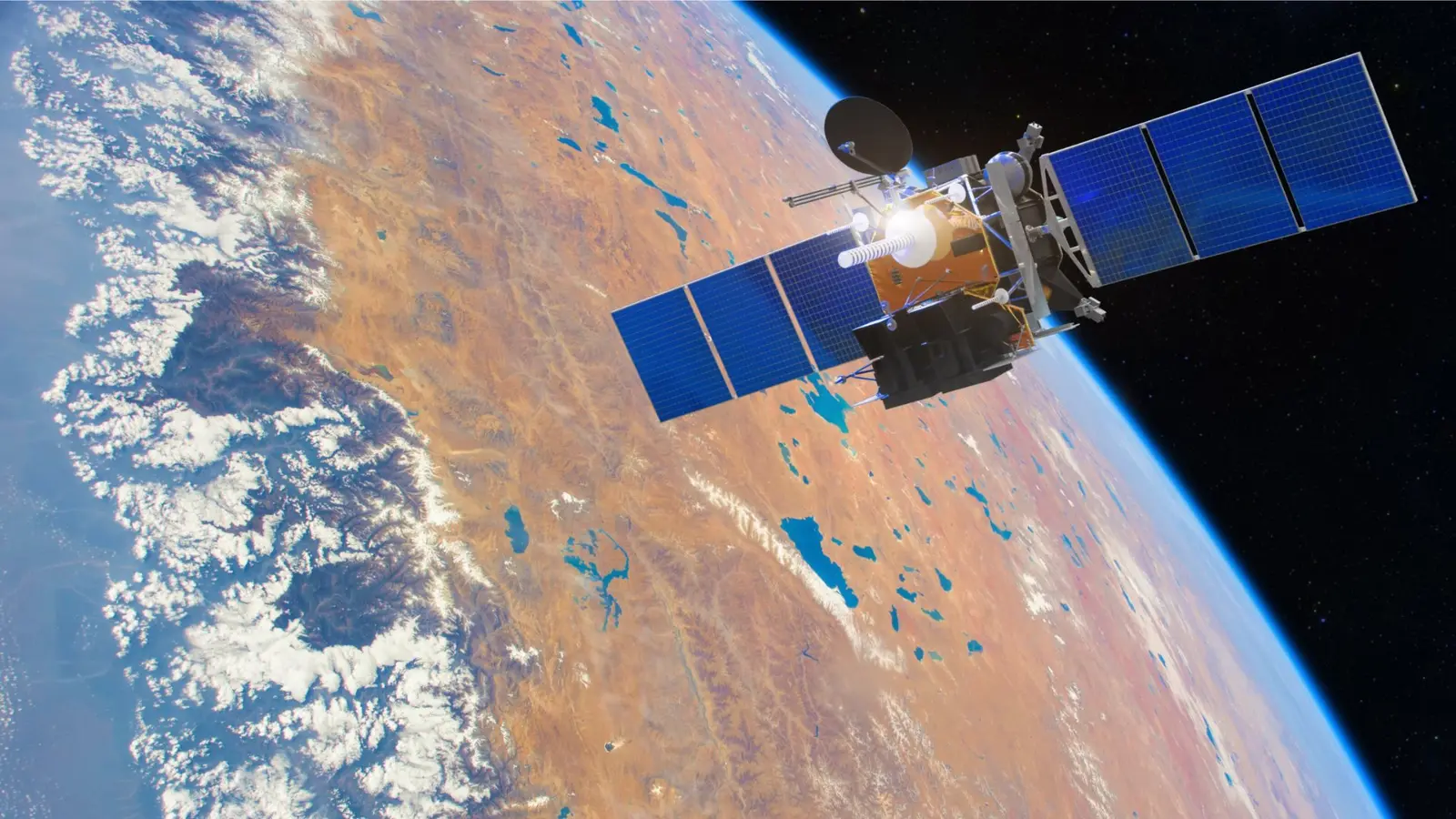
Samsung is reportedly building a next-generation Exynos modem designed to connect smartphones directly to SpaceX's low-earth orbit (LEO) satellites. The move could accelerate satellite-to-phone links, reduce reliance on ground towers, and shake up how we think about global mobile coverage.
Built-in AI to speed up satellite links
According to reports, the new Exynos modem integrates an NPU (neural processing unit) — an AI accelerator — to dramatically shorten the time devices take to lock onto and track LEO satellites. That on-device intelligence is said to enable much faster beam identification and channel prediction compared with existing satellite chips.
- Up to 55x faster beam identification
- Up to 42x faster channel prediction
- Real-time path tracking and signal optimization
Imagine your phone predicting a satellite's trajectory and adjusting its radio parameters instantly — that’s the promise. Faster identification and prediction translate into better throughput, lower latency, and more reliable connections even when satellites are moving quickly across the sky.
SpaceX, 6G NTN and Samsung's bigger play
Samsung reportedly shared technical details of the chip with SpaceX executives during recent meetings. The goal: supply a modem for SpaceX’s envisioned 6G non-terrestrial network (NTN), a satellite-based infrastructure meant to deliver continuous, low-latency connectivity worldwide.

SpaceX has talked about using such a network to support everything from autonomous vehicles to humanoid robots — services that demand consistent, real-time links. Direct-to-satellite connections could also reduce the need for terrestrial base stations, opening coverage in remote regions and on ocean routes.
It’s worth noting Samsung is already expanding its chip footprint — the company recently won a major order from Tesla to produce advanced semiconductors — and this Exynos effort looks like a strategic bid to keep its mobile ecosystem lead as networks evolve beyond traditional cellular towers.
Why this could matter for consumers and industry
Direct satellite connectivity is more than a neat feature. Analysts forecast the non-terrestrial network market could become a multibillion-dollar opportunity — estimates suggest it might reach roughly $540 billion by 2040 if terrestrial and satellite ecosystems converge.
For consumers, the benefits would be obvious: better coverage in rural or underserved areas, improved in-flight and maritime connectivity, and more resilient links during disasters when ground infrastructure fails. For carriers and device makers, success depends on chip performance, regulatory approvals, and SpaceX’s rollout pace.
Whether Samsung’s Exynos modem will become a standard for direct-to-satellite phones remains to be seen. But with faster beam steering, AI-driven signal optimization, and close ties to SpaceX, the company is positioning itself at the center of a potential shift toward global, satellite-first connectivity.

“I love exploring gadgets, apps, and trends that redefine how we connect, work, and play in a digital world.”

Discussion
Leave a Comment