

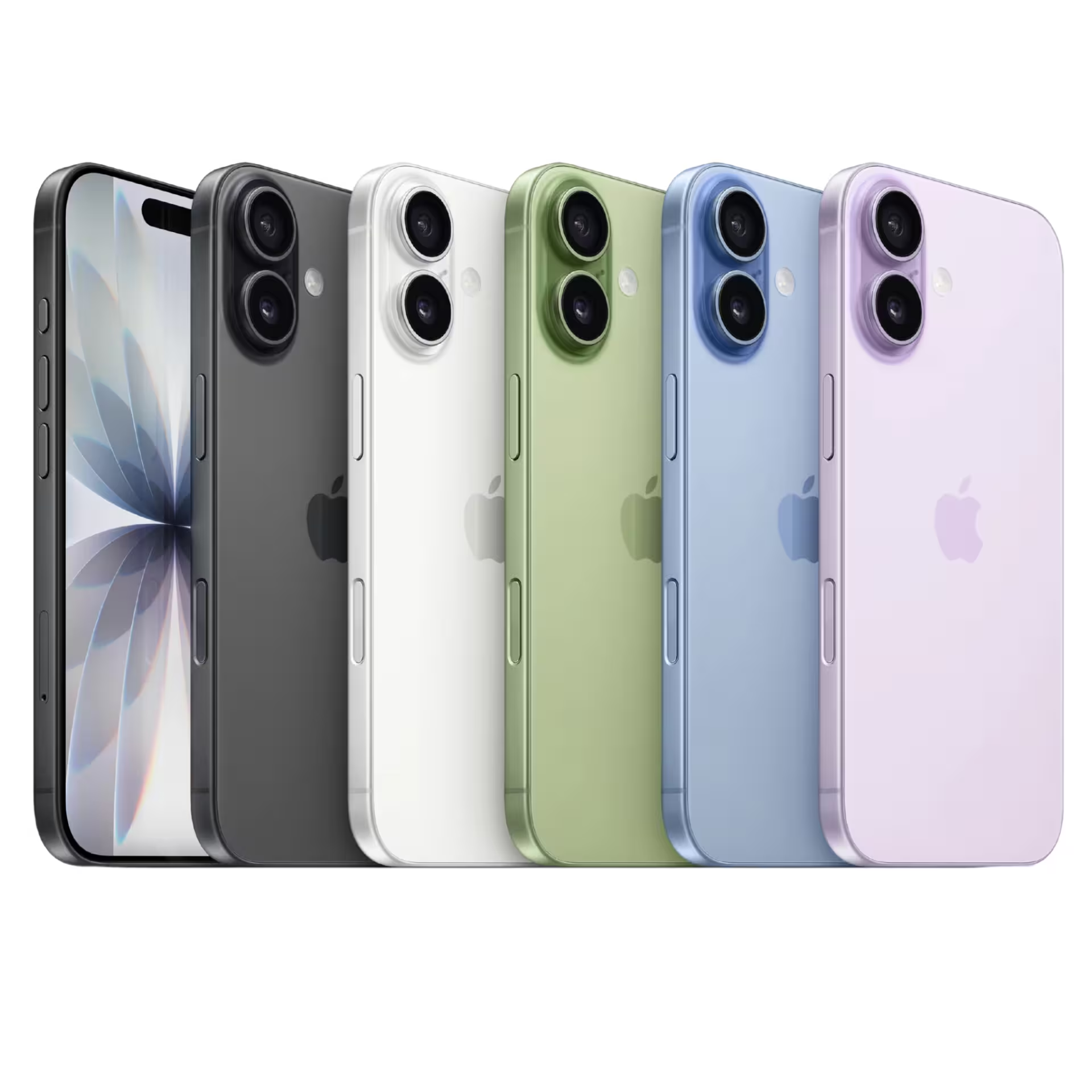
Apple may be set to give the standard iPhone a sizable memory upgrade. According to a report from Korea's The Bell, the baseline iPhone 18 could move from 8GB to 12GB of RAM, aligning it with last year's Pro models and signaling a larger play around on-device intelligence.
Why the RAM increase actually matters
The jump to 12GB is more than a spec headline. Apple is betting on heavier local processing for features under the Apple Intelligence umbrella, so extra RAM helps keep AI tasks smooth while other apps stay responsive. Imagine real-time language processing, smarter photo edits, or context-aware system features running without lag — that requires memory headroom.
Who will supply the new memory chips
Supply chain details suggest Samsung will provide next-generation LPDDR5X modules, with SK Hynix and Micron expected to chip in to meet volume. LPDDR5X brings higher bandwidth and better power efficiency compared with the LPDDR5 used in the iPhone 17 series, a useful pairing for power-hungry AI workloads.
Phased launches and the A20 2nm chip
Reports indicate Apple may stagger the iPhone 18 family across two waves. The initial fall 2026 rollout could include the iPhone 18 Pro, 18 Pro Max, an iPhone Air 2, and Apple’s first foldable iPhone, all powered by the upcoming 2nm A20 processor. The standard iPhone 18 and a potential iPhone 18e could arrive in early 2027.
Price, competition, and user reaction
Higher performance tends to raise costs. With TSMC ramping 2nm production for the A20 chip, industry analysts expect base iPhone prices could increase by roughly 50 to 100 dollars versus the iPhone 17 lineup. Still, many on social platforms are welcoming the RAM boost, seeing it as overdue parity with Android flagships like Samsung's Galaxy S26 and Vivo's X300 series.
What to watch next
- Official confirmation from Apple about RAM and launch timing
- Benchmarks showing the real-world impact of 12GB plus LPDDR5X
- Final pricing once TSMC and component costs are factored in
For now, the move to 12GB reads like a strategic step: more memory to fuel on-device AI, faster RAM to reduce power draw, and a clearer signal that Apple is preparing its hardware for heavier local intelligence without giving up user privacy.

“I love exploring gadgets, apps, and trends that redefine how we connect, work, and play in a digital world.”

Discussion
Leave a Comment