
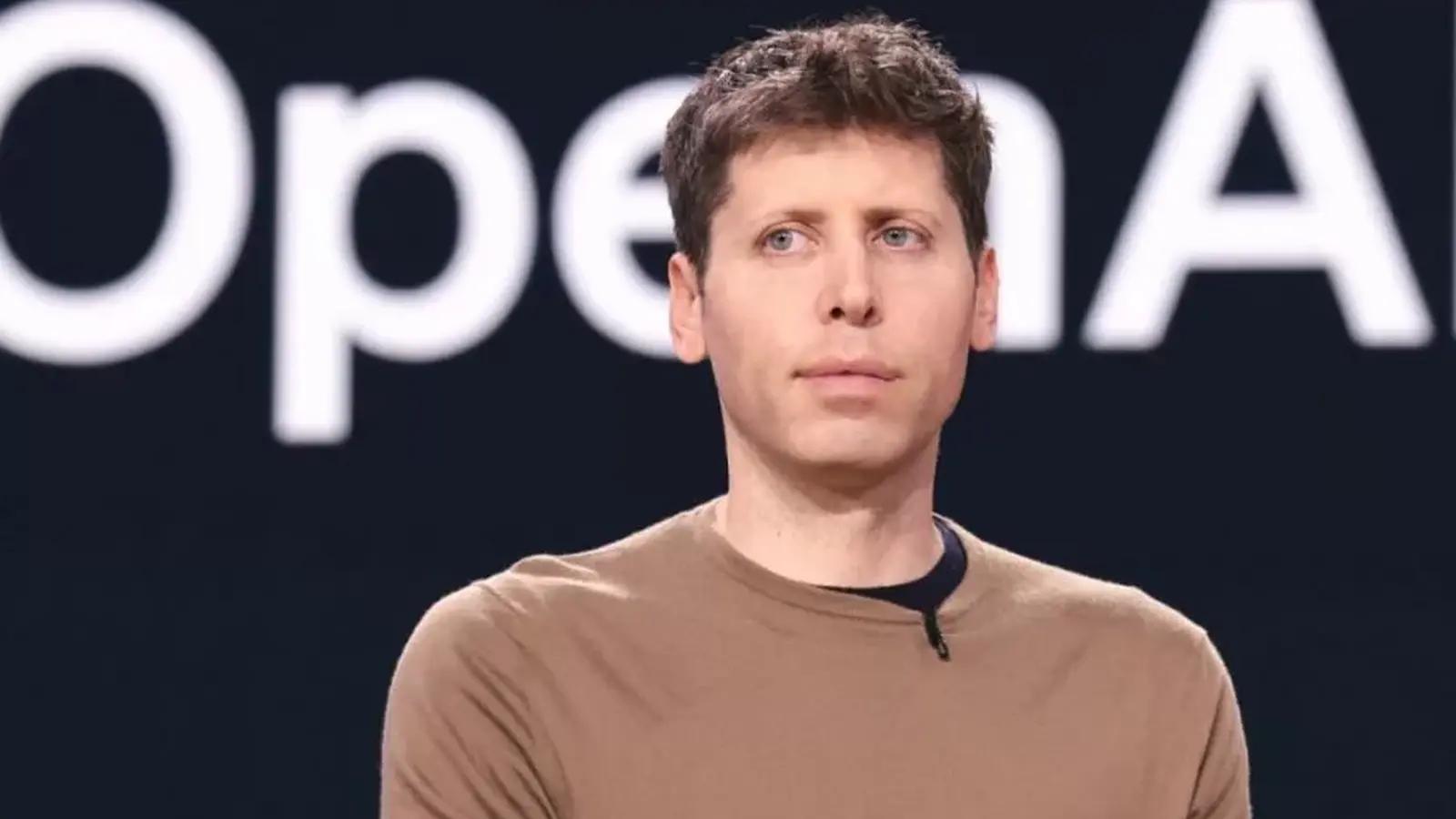
OpenAI has stepped into the AI cybersecurity race with Daybreak, a new initiative built to spot software vulnerabilities before attackers can turn them into real-world breaches. The timing is hard to miss. Just weeks after Anthropic drew industry attention with Claude Mythos and its tightly controlled Project Glasswing rollout, OpenAI has now revealed its own answer, and it is aimed squarely at proactive defense.
At the heart of Daybreak is the Codex Security AI agent, first introduced in March. Its job is not simply to scan code for obvious mistakes. Instead, it builds a threat model around an organization’s codebase, maps out plausible attack paths, checks which weaknesses are likely to be real, and then automates the detection of the vulnerabilities that carry the highest risk. In plain terms, it is designed to think more like a defender trying to get ahead of an intruder than a basic bug finder running through a checklist.
That shift matters. Security teams are drowning in alerts, false positives, and sprawling codebases that change by the hour. A system that can prioritize likely attack routes and focus attention where it counts could make a serious difference, especially as software development cycles keep accelerating under the influence of generative AI tools.
Not one model, but a cyber stack
OpenAI says Daybreak is not powered by a single model. Instead, it combines several of the company’s most capable systems, Codex, and external security partners. That makes it less of a standalone chatbot and more of a layered AI security platform, one meant to analyze code, reason about exploit chains, and flag dangerous weaknesses before they are discovered elsewhere.
The company also says Daybreak includes specialized cyber models such as GPT-5.5 with Trusted Access for Cyber and GPT-5.5-Cyber, both of which have recently started rolling out. That detail is telling. OpenAI is not treating cybersecurity as a side feature anymore. It is building a dedicated lane for it, with tailored model access and a clearer emphasis on high-stakes defensive use cases.
The broader context is impossible to ignore. Anthropic recently introduced Claude Mythos as part of Project Glasswing, describing it as a security-focused AI model too sensitive to release publicly. Even with those restrictions, reports suggested unauthorized access still happened. That episode underscored a growing tension in the AI security space: the same systems that can help defenders identify threats may also offer powerful capabilities if they fall into the wrong hands.
OpenAI appears to be threading that same needle carefully. The company says it is working with industry and government partners as it prepares to deploy increasingly cyber-capable models. That language signals a controlled rollout strategy, likely shaped by the same concerns now hanging over every advanced AI system built for security research, vulnerability discovery, or exploit analysis.
What makes Daybreak notable is not just that OpenAI now has a direct response to Anthropic. It is that the company is betting on AI as an active participant in defensive security operations, not merely a coding assistant with a few security prompts layered on top. If that approach works, Daybreak could become part of a larger shift in how enterprises handle software risk: fewer manual hunts, faster validation, and smarter triage before attackers get their chance.
That is the promise, at least. The real test will come when these models move beyond announcements and into the daily grind of enterprise security, where code is messy, priorities clash, and one missed vulnerability can be all it takes.

“I love exploring gadgets, apps, and trends that redefine how we connect, work, and play in a digital world.”

Discussion
Leave a Comment