
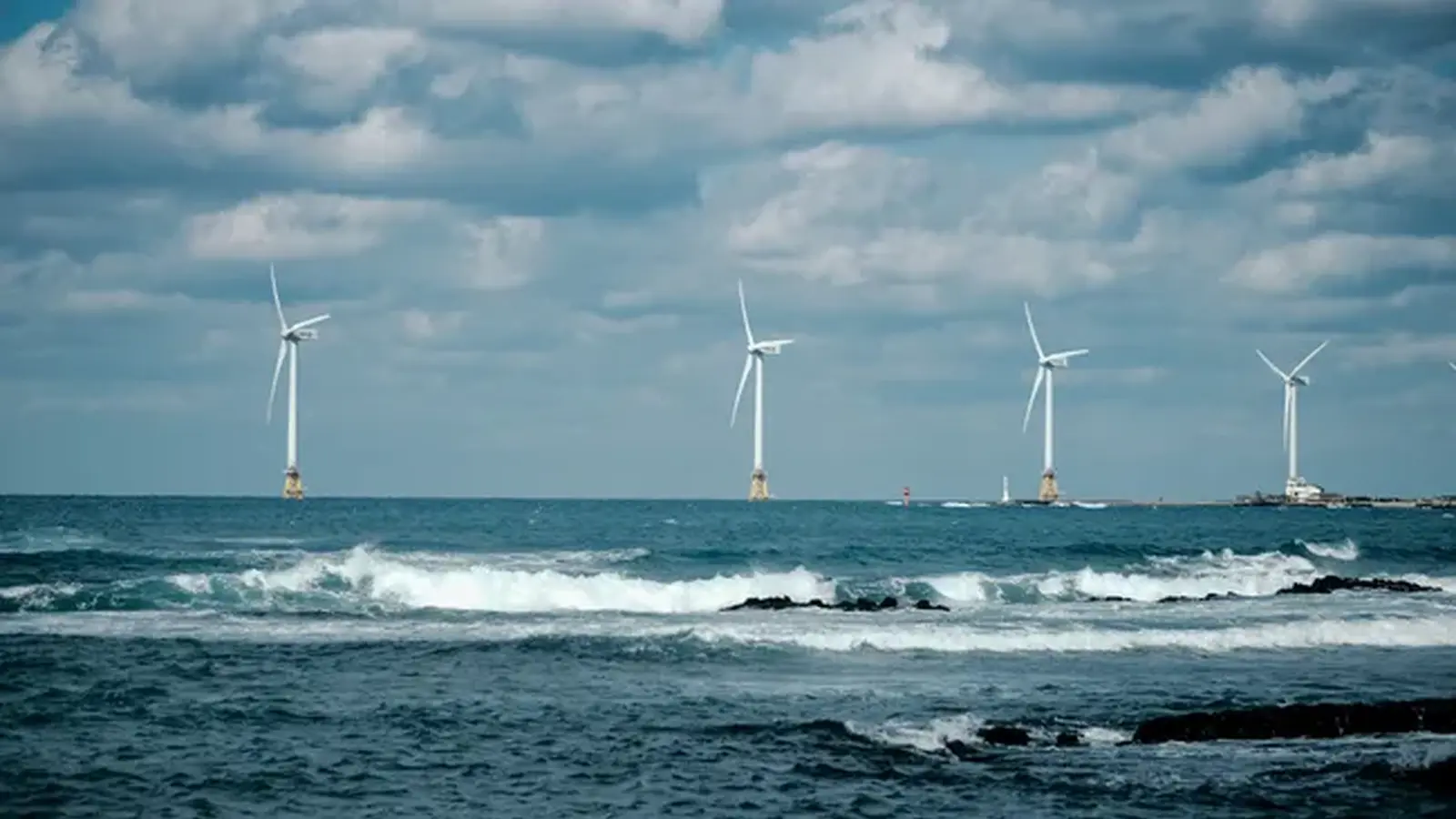
Britain has a strange energy problem. On windy, bright days, the country can produce more renewable electricity than the grid is ready to handle, yet instead of soaking up that cheap clean power, the system often ends up paying wind farms to switch off while gas plants wait in the wings. That mismatch has become painfully expensive, with curtailment and balancing costs reaching about €1.75 billion in a single year.
Octopus Energy wants to turn that waste into something households can actually feel on their bills. The supplier is widening its free electricity offers for its 8 million customers, giving more people the chance to use power when wholesale prices collapse and renewable output is surging. In plain English, that could mean running the washing machine, charging an EV, or tackling the dishwasher when the grid is awash with wind and solar.
This is not a brand-new experiment dressed up as a breakthrough. Octopus has been running similar demand-shifting events for years through its Saving Sessions scheme, rewarding customers for changing when they use electricity. So far, the company says those free power sessions have saved customers €5.37 million, while another €6.77 million has been paid out to households that reduced consumption during peak demand windows.
The broader idea is simple, but clever. When renewable generation is high and electricity demand is low, suppliers can encourage households to use more rather than less. That helps absorb excess power that might otherwise be wasted. It also gives consumers a more direct role in balancing the energy system, something that once happened almost entirely behind the scenes.
When the grid has too much electricity
The shift is tied to changes in the UK Demand Flexibility Scheme, updated by the National Energy System Operator, or NESO. The new rules allow suppliers to do more than just ask customers to cut back at busy times. They can now also nudge people to increase demand during periods of surplus generation. If a supplier delivers the right response, the grid operator pays them for it.
That opens the door to free or cheaper electricity for homes with smart meters, along with rewards that may come in the form of points or gift cards. It is a small but meaningful evolution in how the grid works. Instead of treating consumers only as a problem during peak hours, the system can now use them as part of the solution when too much renewable power is flooding in.
Other suppliers are moving in the same direction. British Gas already runs PeakSave, offering half-price electricity on Sunday afternoons. Still, Octopus has built a reputation for making these programs feel real rather than theoretical, and that matters. Energy tariffs only change behavior if customers actually understand them and see the benefit quickly.
There is also strong interest in Octopus Fan Club tariffs, which link local wind generation to cheaper electricity prices. More than 36,000 people in Britain have reportedly shown interest. For households near participating turbines, unit rates can fall by as much as 50% when the local wind farm is generating. It is a neat idea, part gimmick, part smart energy design, and it taps into something people instinctively get: if the wind is spinning right outside, why should that power go to waste?
None of this solves the UK grid's deeper structural headache. Bottlenecks on transmission lines still stop renewable electricity from moving freely to where it is needed most, and fixing that will require years of upgrades and billions in network investment. NESO has already signaled that it may need to use balancing tools more often than in previous summers as low-demand periods become more common.
Even so, these flexible tariffs are more than a PR exercise. They are one of the few immediate ways to reduce waste while bigger infrastructure projects crawl through planning, approvals, and construction. For drivers with an electric car, the appeal is obvious. Cheap or free charging during periods of renewable oversupply is exactly the kind of incentive that makes EV ownership more attractive, especially as households look for ways to cut running costs without changing their routines too much.
That is why this matters beyond the energy sector. Smarter electricity pricing could quietly reshape how people charge their cars, heat their homes, and use appliances. If suppliers can persuade millions of households to shift demand by just a few hours, the effect on grid efficiency could be substantial.
For now, the offer remains a modest win inside a much bigger, messier energy puzzle. But it is a tangible one. Instead of paying wind farms to stand still, Britain can begin paying families to plug in, switch on, and make use of power that is already being generated. On a grid increasingly dominated by renewables, that is not just a nice perk. It is the direction of travel.

“I love exploring gadgets, apps, and trends that redefine how we connect, work, and play in a digital world.”

Discussion
Leave a Comment