
4 Minutes
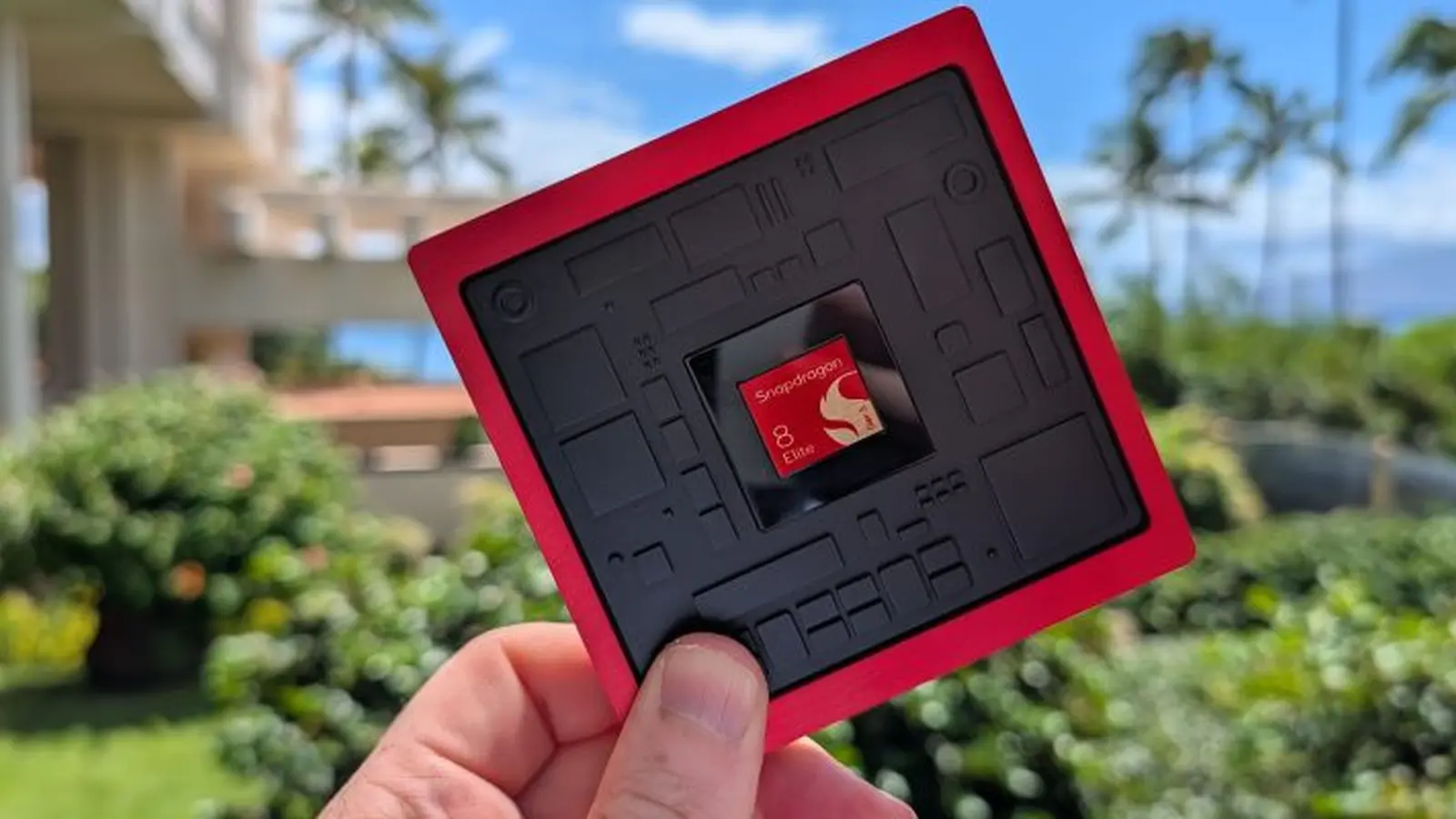
The next wave of premium Android phones is shaping up to be painfully expensive, and the biggest clue is sitting deep inside the device. Qualcomm’s upcoming Snapdragon 8 Elite Gen 6 Pro is reportedly expected to cost phone makers more than €277 per chip, a record high for the company’s mobile silicon and a number that could push flagship prices even further out of reach.
That jump looks even steeper when you compare it with recent history. A few generations ago, the Snapdragon 8 Gen 1 was said to land in the €111 to €120 range per unit. Analysts now estimate the current Snapdragon 8 Elite Gen 5 at roughly €258. In other words, the cost of Qualcomm’s top tier smartphone chipset has surged dramatically in just a handful of product cycles, and there is little evidence that the trend is about to cool off.
The real pressure point appears to be manufacturing. Qualcomm is reportedly moving the Gen 6 Pro to TSMC’s 2nm process, and that upgrade does not come cheap. Industry reports suggest a single 2nm wafer costs around €27,700, nearly twice the price associated with 3nm production. That kind of increase never stays buried in the supply chain for long. It works its way up through component pricing, through phone assembly, and eventually straight to the number buyers see on the shelf.
Two chips, two classes of flagship
Qualcomm seems to know this is becoming a problem. Reports point to a split strategy for the Snapdragon 8 Elite Gen 6 family, with a standard version aimed at most flagship Android phones and a Pro edition reserved for the most expensive Ultra class models. Think along the lines of a future Galaxy S27 Ultra or other no compromise devices built to showcase every premium part available.
The differences are not trivial. The Pro variant is rumored to feature an Adreno 850 GPU, support for LPDDR6 memory, and a larger cache, all aimed at squeezing out more performance for gaming, AI tasks, and advanced imaging. The standard model would reportedly scale back to an Adreno 845 and LPDDR5X support, even though both versions are still expected to rely on the same 2nm manufacturing node. That means the split is less about budget versus premium and more about premium versus ultra premium.
And the chipset is only part of the story. Memory prices have also been climbing sharply, adding another layer of strain to smartphone manufacturing costs. When a Snapdragon 8 Elite Gen 6 Pro is paired with LPDDR6 RAM and UFS 5.0 storage, some estimates put the combined component bill above €555 before a display, camera system, battery, cooling hardware, or chassis even enters the equation. That is a serious starting point for any phone brand trying to protect margins without scaring off buyers.
For Android manufacturers, this creates an awkward balancing act. Qualcomm remains the prestige option for many flagship phones, especially in markets where brand perception and benchmark performance still matter. But as chip prices rise, alternatives start looking more attractive. MediaTek’s Dimensity line has already become harder to dismiss, particularly for brands that need top end performance without swallowing the cost of Qualcomm’s most advanced silicon.
The bigger question is what happens next. There is only so much room to raise the price of an Ultra phone before even loyal premium buyers start hesitating. Foldables, camera centric flagships, gaming phones, all of them are competing for the same wallets. If Qualcomm’s next generation chip really lands at this level, the Android market may be approaching a moment of truth. Not because the technology is slowing down, but because consumers may finally decide the bill has gone too far.


Comments
v8shift
lol these prices are insane, they keep squeezing consumers. Sure the perf is better, but for most ppl this is overkill. Brands better have a plan or buyers will baulk
chipflux
Is this for real? 2nm chips costing that much... who pays for it? Phone prices are already crazy, and now the flagship tax goes nuclear. If that's true, yikes.

Leave a Comment