
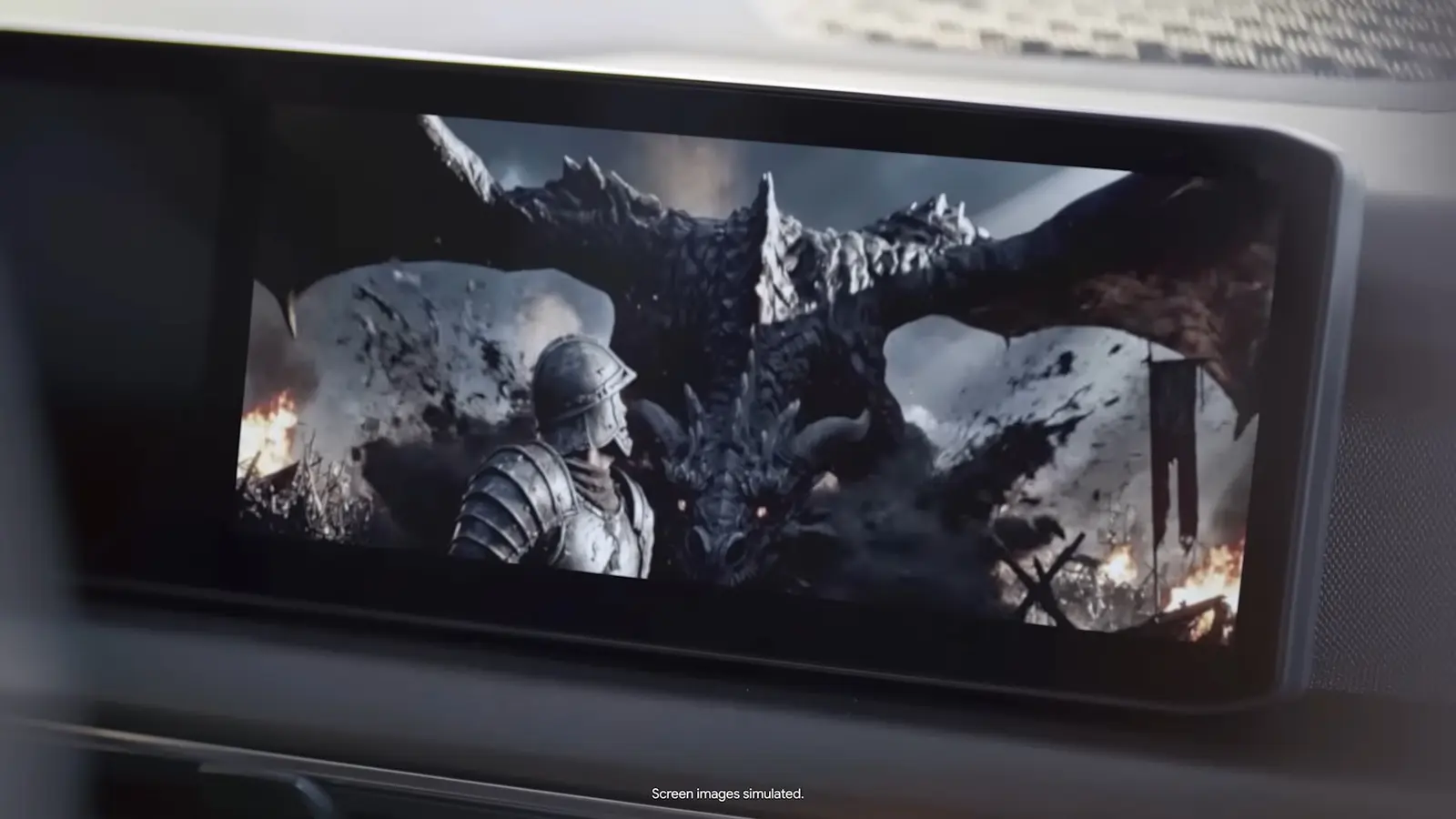
That long wait in a parking lot is about to get a little less boring. Google is preparing to bring YouTube to Android Auto, opening the door to in car video playback on infotainment screens for the first time in a way that feels genuinely useful, not gimmicky.
There is a catch, of course. Videos will only play when the vehicle is parked. The moment the car starts moving, playback stops on screen automatically. It is a familiar safety approach, much like the way Google Maps and Waze lock out keyboard input once you are driving and push users toward voice commands instead.
Even so, this is a notable shift for Android Auto. Until now, the platform has largely focused on navigation, messaging, music, and podcasts. Adding YouTube changes the mood completely. Suddenly, the car screen is not just a driving companion. It becomes a waiting room screen for school pickup, a charging stop companion, or a way to pass time before heading back on the road.
Google says YouTube will be among the first apps supported, and the system may handle video at up to 60 frames per second if the vehicle's infotainment hardware is capable of it. In plain English, that means owners will need a suitably sharp, high resolution display and the right in car tech to get the smoothest experience. If the hardware is more modest, video playback should still work, just without the same visual polish.
The list of car brands expected to support this feature already includes some major names: BMW, Ford, Hyundai, Kia, Mercedes, Renault, Skoda, and Volvo. That gives the rollout real weight, especially as Android Auto continues to spread across both mainstream and premium models.
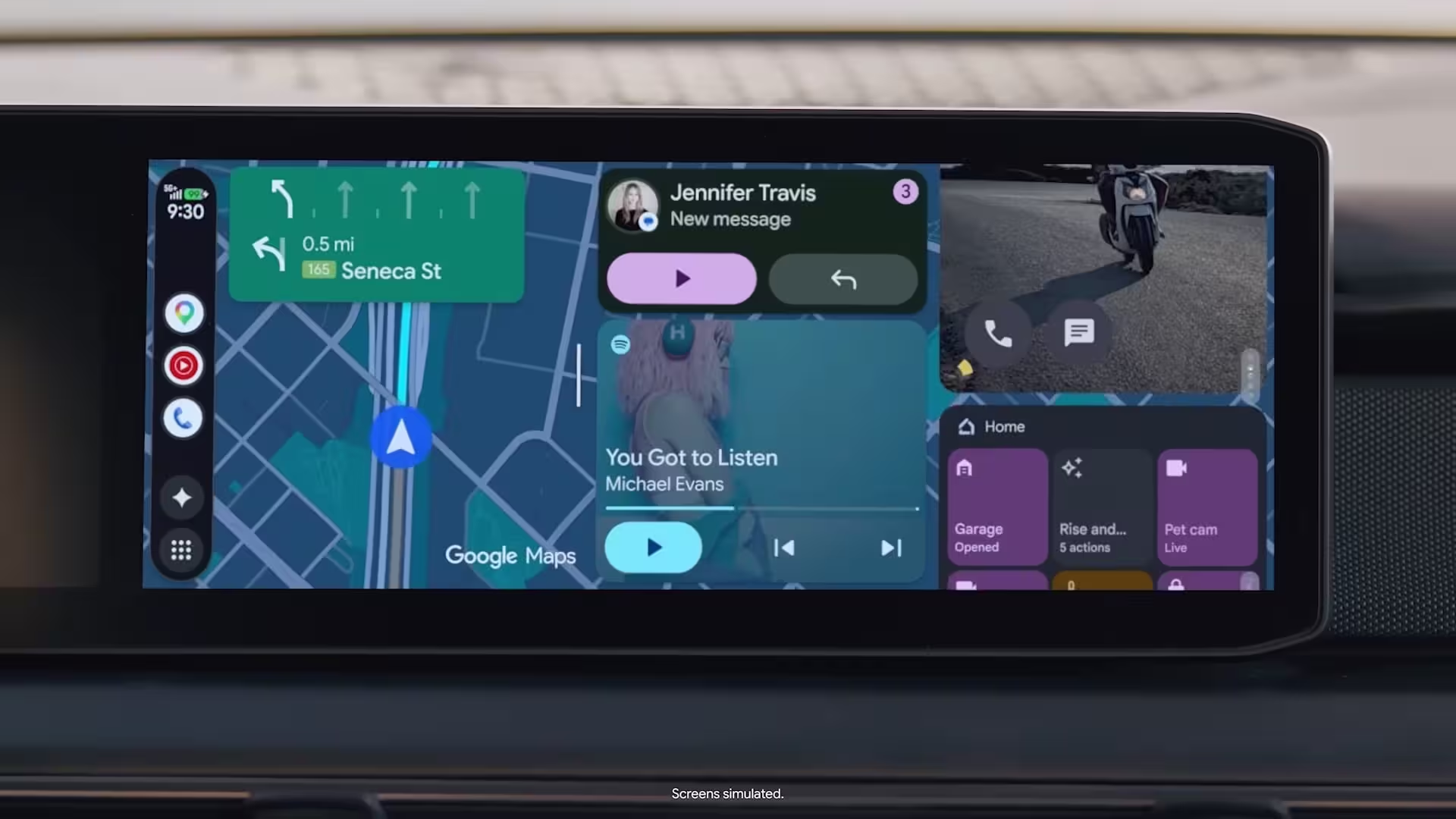
What happens when the wheels start turning?
This is where Google's smarter idea comes in. Instead of simply cutting everything off, Android Auto is also getting an audio only mode for video apps. Once the car begins moving, supported apps will switch away from video and continue playing sound in the background, while the display shows only a static image or thumbnail.
It is a practical compromise. A podcast style handoff makes far more sense than forcing users to stop playback entirely, especially for content where the audio matters more than the visuals. Think interviews, commentary videos, news clips, explainers, or long form podcasts uploaded to YouTube.
Not every app will be able to do this automatically. Developers will need to update their software to support background audio playback inside Android Auto. That detail matters, because it could shape which services arrive first and how smooth the experience feels at launch.
YouTube brings its own complication. Background audio on the platform is usually tied to YouTube Premium. So while YouTube video may appear on Android Auto for parked viewing, the seamless switch to audio while driving could end up being limited to paying subscribers. Users on the free version may find playback paused once the vehicle moves.
Google has not pinned down an exact release date yet, but the first video apps are expected to land later this year. YouTube looks like the obvious starting point, and once that door opens, bigger streaming names such as Netflix could easily follow. For drivers with downtime behind the wheel but not on the move, Android Auto is about to become a lot more entertaining.

“I cover automotive innovation, electric vehicles, and the future of mobility — where technology meets sustainability.”

Discussion
Leave a Comment