
6 Minutes
Apple is moving again, and this time the market is not whispering. It is shouting. On Friday, the company’s shares closed at a fresh all-time high, finishing above €276 for the first time and pushing Apple’s valuation to roughly €4.06 trillion. For a stock that had spent months looking oddly restrained, the breakout feels less like a random spike and more like a signal.
Over the past year, Apple shares have climbed 42%, a sharp reminder that investors still believe the company has another major act left in it. Even so, Apple remains behind Nvidia in market value, with the chip giant still holding a sizable lead. That gap matters, but so does the bigger picture: Apple has multiplied its market capitalization more than fourfold since becoming the first publicly traded US company to cross the €920 billion mark in 2018.
When a stock hits a record, traders immediately start asking the same question: what is the market pricing in before the headlines fully land? In Apple’s case, the answer may be a mix of software, hardware, and leadership.
The most obvious candidate is Siri. Apple’s voice assistant has spent years trailing the pace of modern AI, often feeling more functional than impressive. That may finally change. The expected Siri 2.0 overhaul is widely seen as one of Apple’s most important software upgrades in years, with a stronger conversational layer and deeper integration across the iPhone ecosystem. If Apple gets this right, Siri could shift from being a weak link to becoming a real reason to stay inside the company’s services universe.
That is where the bigger promise comes in. A more capable Siri is expected to reach into core apps like Mail, Calendar, Messages, Photos, and Notes to answer personal, context-aware questions. For users, that could mean less tapping, less searching, and a far more natural way to interact with their devices. For investors, it points to something even more valuable: a stickier Apple experience that keeps customers locked in.
What the rally may be betting on
There is also growing interest around Apple’s next wave of hardware. Reports continue to suggest that Apple is preparing a pair of display-free smart glasses, likely designed to work with Visual Intelligence features and the next generation of Siri. If those products arrive alongside the iPhone 18 Pro lineup, they could become an early test of whether Apple can turn ambient AI into a mass-market consumer feature rather than just a keynote demo.
Then there is the foldable iPhone, one of the most persistent stories hanging over Apple’s roadmap. Current speculation points to a launch window around September, with availability possibly slipping toward December. The rumored price range of €1,840 to €2,208 would place it firmly in ultra-premium territory, but that has not stopped expectations from building. Apple is reportedly preparing around 3 million units for the first wave, and if demand holds, the device could open up a new high-margin category for the company. Whether it ends up being called iPhone Fold or iPhone Ultra, investors clearly see room for excitement.
Not every futuristic Apple product is likely to be influencing the stock right now. The fully fledged AR glasses many Apple watchers dream about still seem years away, with 2028 remaining the commonly cited target. The same goes for more radical hardware ideas, including a port-free, button-free iPhone concept tied to a future anniversary model. Markets usually look ahead, but not that far. Right now, the rally appears to be tied to products and upgrades that feel close enough to matter.
That leaves a fairly clear shortlist of what Wall Street may be betting on: the iPhone 18 Pro and Pro Max, the foldable iPhone, Siri 2.0, and Apple’s first display-free smart glasses. None of those products is guaranteed to be a smash hit, of course. But taken together, they create the kind of pipeline that investors love: visible, ambitious, and capable of resetting the narrative.
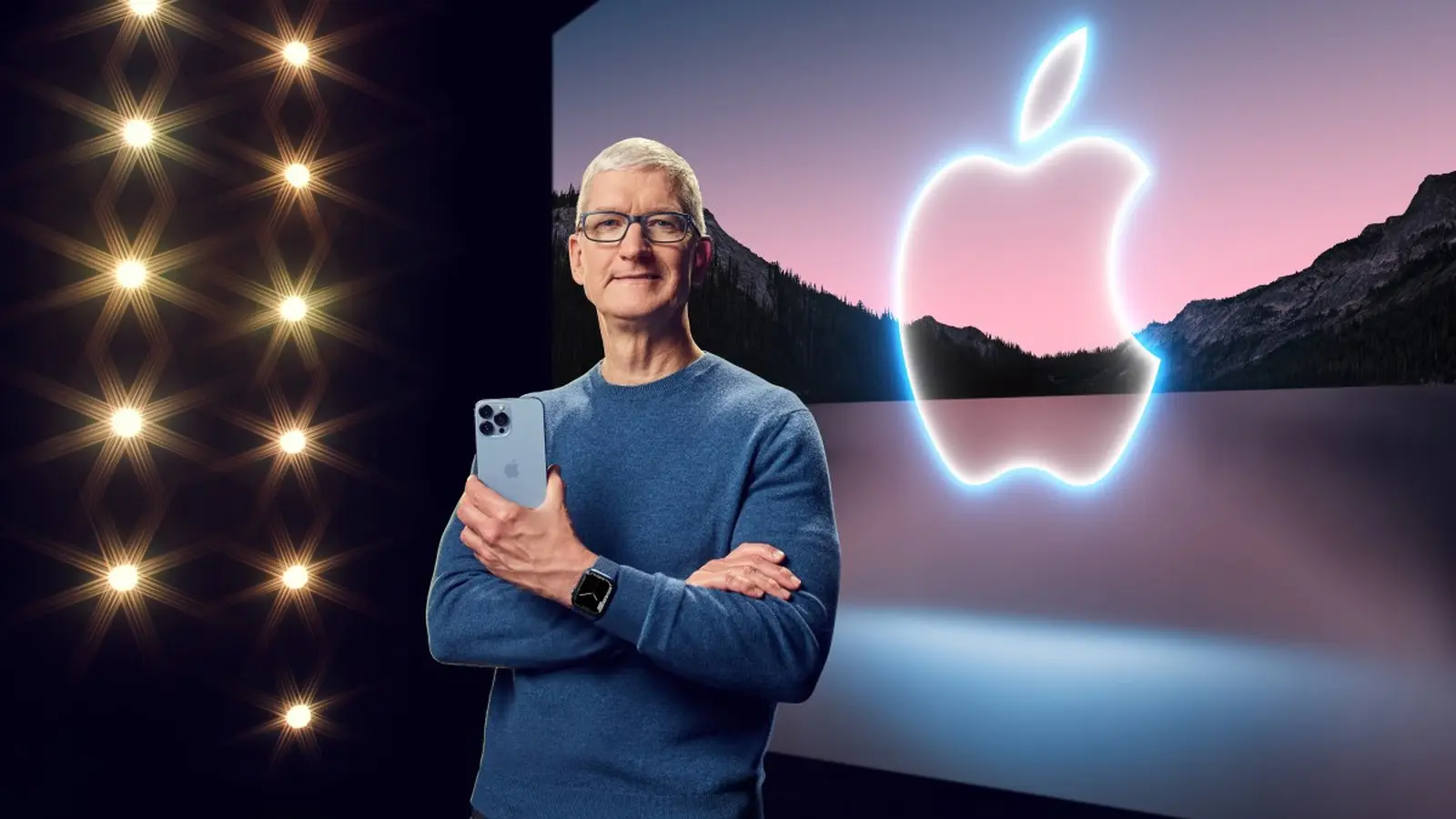
There is one more factor hanging in the air. Leadership. John Ternus is expected to take over as Apple CEO on September 1, with Tim Cook moving into the role of executive chairman. That is not a small handoff. Cook has defined one of the most successful eras in corporate history, overseeing a roughly 21-fold rise in Apple stock since taking the job for good in 2011. Anyone following him inherits both a powerhouse and a burden.
And yet the current surge in Apple shares suggests the market is not bracing for instability. Quite the opposite. Investors seem to be betting that Apple’s next chapter will not be about defending old territory, but about opening new ones. That does not mean every rumored product will land, or that every AI feature will work as smoothly as promised. Still, record highs rarely appear in a vacuum. Wall Street seems to believe Apple is heading into something bigger than another routine hardware cycle.
For a company often accused of playing it safe, that may be the most striking message of all.


Comments
Tomas
Is this even true? 3M foldables at €2k each sounds optimistic, demand might not match. Siri hype again? If that's real then ok, but markets love stories
atomwave
Wow Apple at €4trn?? Insane. Siri 2.0 could actually matter, and the glasses + foldable hype feels real. If they nail it, users stay — big if tho

Leave a Comment