
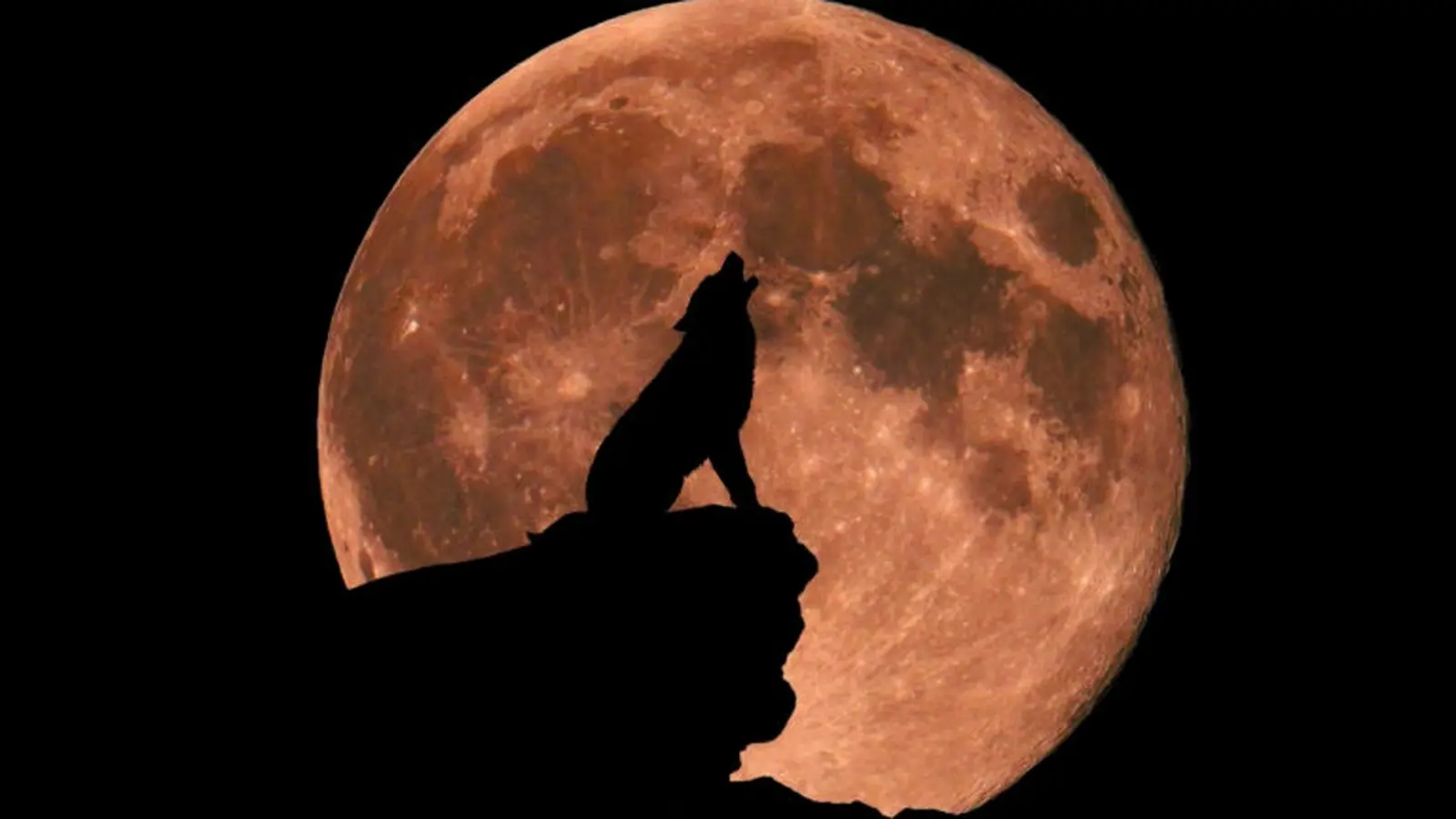
Have you ever lain awake on a bright, moonlit night and wondered whether the Moon itself was keeping you from falling asleep? Folklore links lunar phases to restless nights and odd behavior — even the word "lunacy" comes from the Latin for Moon. Modern research gives that old intuition a grain of truth: the full moon can nudge our sleep patterns, but its power is modest and easily eclipsed by everyday light and lifestyle factors.
What studies actually show about sleep and the full moon
Across multiple sleep studies and large population analyses, a consistent pattern emerges: in the nights around a full moon — especially in the days just before peak illumination — many people fall asleep later, take longer to drift off, and get slightly less deep sleep. The changes are small but measurable. Typical findings report average nightly sleep reductions on the order of 15–30 minutes and a decrease in slow-wave (restorative) sleep during the bright lunar window.
Researchers find this effect in diverse cultures and settings. In laboratory polysomnography studies and in community-based sleep tracking, the tendency to delay bedtime and shorten total sleep time often appears in the evenings when the Moon is bright in the sky. The signal is clearest where artificial light is limited — for example, in rural communities or among campers — suggesting natural moonlight can still shape human sleep in environments close to ancestral light cycles.
How moonlight alters the body clock: melatonin and circadian timing
The most straightforward explanation is light exposure. Evening light delays the body's central clock — the circadian rhythm — and reduces secretion of melatonin, the hormone that helps initiate sleep. Moonlight falling on the eyes in the early night can modestly shift this cue, leaving the brain more alert and postponing deep sleep.
In other words, the Moon isn't casting a mysterious psychiatric spell; it's acting like any other light source in the evening. Compared with bright indoor lighting or the glow of a smartphone, moonlight is dim. But when other evening lights are minimal, the Moon's illumination becomes proportionally more influential.
Are men and women affected differently?
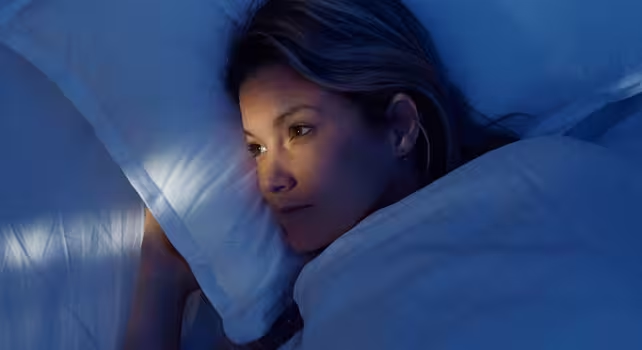
Some studies report subtle sex differences in how lunar phases influence sleep. Men have appeared to lose more sleep during the waxing phase in a few datasets, while women sometimes show a slightly greater reduction in deep sleep around the full moon. These findings are tentative: sample sizes, cultural context and measurement methods vary. They suggest possible biological or social modifiers, but not a universal, sex-based rule.
Moon phases and mental health: vulnerability matters
For centuries people have blamed the full Moon for triggering mood episodes, seizures or psychosis. Part of that intuition is biologically plausible: acute sleep loss is a potent driver of mood changes and exacerbations in psychiatric conditions. A single bad night can raise anxiety and lower mood; chronic sleep disruption increases risk for depression, suicidal thinking and destabilization in disorders like bipolar disorder or schizophrenia.
That creates an indirect pathway: if the Moon shortens or fragments sleep for someone who’s already fragile, it could contribute to clinical worsening. But large-scale studies looking for direct links between lunar phase and psychiatric admissions, emergency-room volume or seizure frequency generally find weak or inconsistent evidence. A few local reports — such as increased use of restraints in one hospital or a small uptick in schizophrenia admissions in another region — appear in the literature, but they don’t replicate reliably across countries or health systems.
What this means in practice
- Small shifts in sleep around a full moon may matter more for vulnerable individuals than for healthy sleepers.
- Population-level data do not support dramatic spikes in psychiatric emergencies tied to lunar cycles.
- When clinicians see nocturnal worsening, it’s important to investigate common sleep disruptors before attributing causality to lunar phase.
Other proposed mechanisms fall short
Beyond light, people have suggested gravitational tides, geomagnetic fluctuations or atmospheric pressure changes as drivers of a "lunar effect." Physically, those ideas struggle: the Moon’s gravitational pull that moves ocean tides is vanishingly small at human scales, and studies measuring geomagnetic or barometric changes across lunar cycles show inconsistent or negligible physiological impacts. The simplest, light-based explanation remains the most convincing.
Why the myth persists: psychology and salience
Human perception favors striking coincidences. Psychologists call this illusory correlation: we notice and remember unusual or dramatic nights that coincide with a full Moon and forget the many uneventful lunar nights. The Moon is salient and visible — unlike caffeine intake, stress or late-night screen time — so it becomes an easy scapegoat for sleeplessness and strange behavior.
What the Moon teaches us about modern sleep hygiene
Whether or not the Moon is to blame, the research highlights an important point: evening light matters. Our circadian system evolved under predictable light–dark cycles; artificial evening illumination from streetlamps, home lighting and devices has a far larger effect on sleep timing and depth than lunar glow. That explains why sleep experts emphasize limiting screens before bed, using dimmer lights in the evening and protecting a dark sleeping environment.
There’s also a policy dimension. Shifts that make evenings artificially brighter, like daylight saving time, can delay sleep timing across populations and have measurable health and safety consequences. Some sleep specialists argue for permanent standard time because it better aligns with human circadian biology.
Practical steps if you’re restless on full-moon nights
- Make your bedroom as dark as possible: blackout curtains and eye masks reduce any unwanted light cue.
- Limit screen time and bright overhead lighting for 60–90 minutes before bed.
- Keep a consistent sleep schedule to strengthen circadian timing against irregular external cues.
- If you have a mood or seizure disorder, monitor sleep closely and speak with a clinician about strategies to protect restorative sleep.
Expert Insight
"The lunar signal in sleep studies is small but real," says Dr. Maya Patel, a neurologist and sleep researcher. "It’s most visible where modern electric lighting is absent. In practice, the Moon is one of many environmental cues that nudge our circadian system — and for people already sensitive to sleep loss, even a small nudge can matter."
Dr. Patel adds: "Addressing controllable evening light exposure is a practical step that benefits everyone, whether or not the Moon is shining at full strength."
Implications and outlook
The story of the full Moon and sleep sits at the intersection of folklore, perception and biology. Centuries of myth reflect a real human sensitivity to night light, but modern data reframe that sensitivity as an extension of ordinary circadian physiology rather than lunar magic. As global populations continue to urbanize and artificial light becomes ubiquitous, keeping evening light exposure in check will have greater health benefits than worrying about lunar calendars.
So next time you’re awake on a moonlit night, remember: you’re not necessarily under a cosmic curse. You’re responding to a familiar signal — light at night — and the tools to protect your sleep are largely within your control.

“The cosmos has always fascinated me. I write about space missions, astronomy, and the technologies pushing humanity beyond Earth.”

Discussion
Leave a Comment