
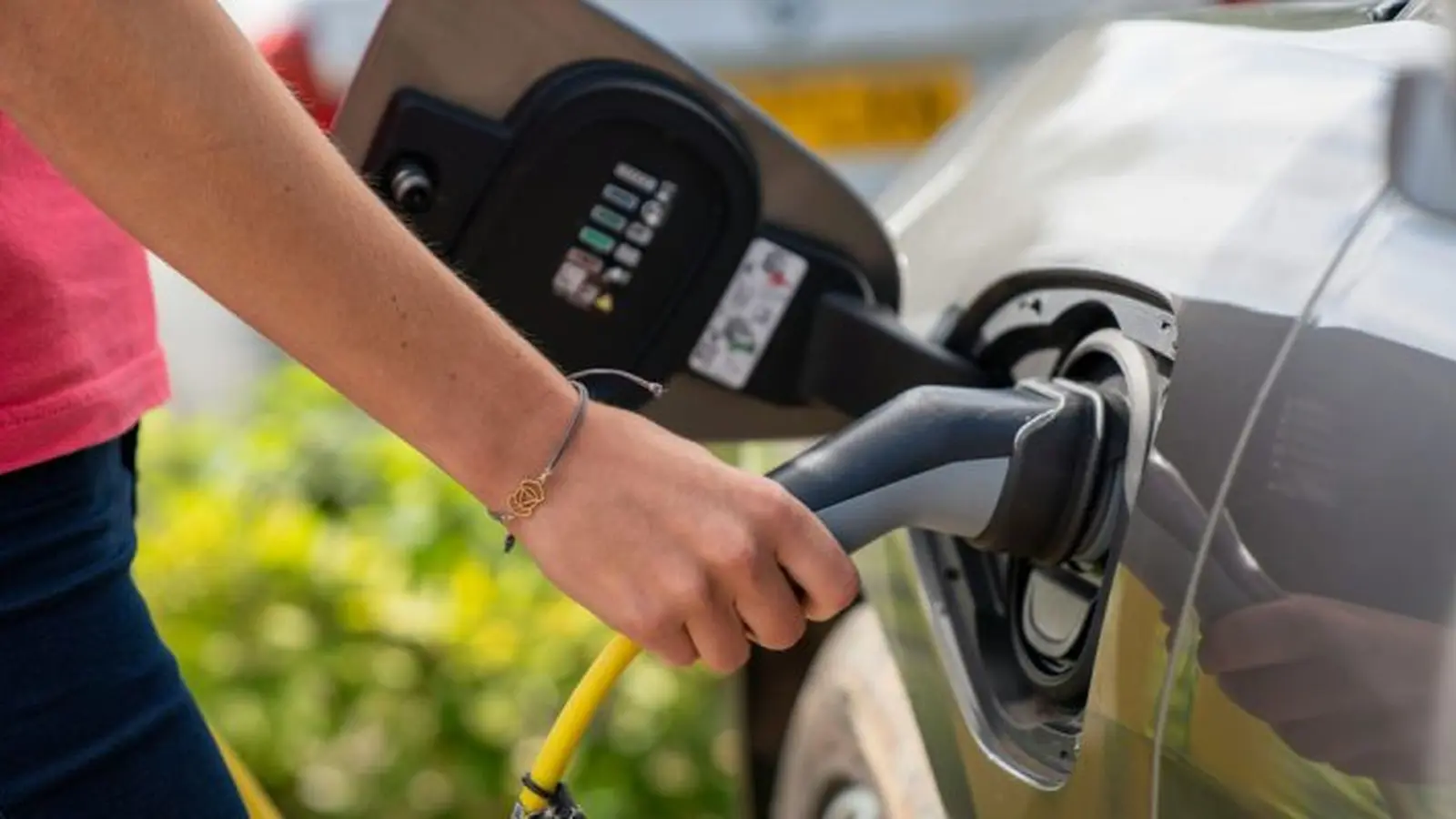
Fast charging is one of the great promises of electric vehicles, but it has always come with a quiet tradeoff. The more often drivers rely on high speed DC charging, the more stress they place on the battery pack. That damage does not show up overnight, yet over the years it can chip away at driving range and long term battery health. Now, researchers at Chalmers University of Technology in Sweden say they may have found a smarter path.
In a new study published in IEEE Transactions on Transportation Electrification, the team describes an AI based EV charging system that can reduce battery wear without making drivers wait longer at the plug. According to their results, the method extended battery life by nearly 23% compared with conventional fast charging. The surprise is how little it changed the charging session itself. Tests showed an average charging time of 24.12 minutes, versus 24.15 minutes for standard charging. In practice, that difference is negligible.
Not every battery ages the same way
That is the real problem with most fast charging systems today. They tend to treat every battery pack as if it were identical. A fresh battery and one that has already spent years on the road are often charged under the same current and voltage strategy. On paper, that sounds efficient. In reality, it ignores how batteries change as they age.
Older lithium ion packs are more vulnerable to a phenomenon known as lithium plating. Instead of lithium ions being absorbed as intended, metallic lithium starts depositing on the electrode surface. It is a slow, almost invisible form of damage, but over time it reduces capacity and accelerates degradation. In other words, the battery keeps working, just not as well as before.
The Chalmers approach uses reinforcement learning to tackle that issue. This type of machine learning improves decision making through repeated feedback, allowing the system to adjust as conditions change. Here, the AI modifies charging current in real time by looking at two variables: the battery's state of charge and its state of health. A newer pack can tolerate a more aggressive charging profile, while an older one receives a gentler curve designed to limit stress.
It is a simple idea with big implications. Instead of forcing all EV batteries through the same routine, the system responds to each pack more like an experienced mechanic would, based on age, condition, and current status.
A software fix, not a hardware overhaul
One detail stands out. This is not a concept that depends on exotic new battery hardware or expensive redesigns. The researchers say the technology could be deployed through software updates to existing battery management systems. That makes it far more realistic for automakers and charging ecosystem players looking for practical ways to improve EV longevity.
There is a catch, of course. The system still needs to be calibrated for different battery chemistries, which means it is not a one size fits all solution straight away. Even so, the idea is attractive because it works with the hardware already in use across much of the electric vehicle market.
Battery degradation remains one of the most persistent concerns around EV ownership, especially for drivers who depend heavily on public fast charging. Range anxiety may dominate headlines, but long term battery health is often the more important question once the novelty of ownership wears off. If Chalmers' AI charging method reaches production vehicles, that reported 23% improvement could amount to an extra year or two of useful battery life for many drivers.
That would not just be good for owners. It could also strengthen resale values, lower total ownership costs, and make electric cars more appealing to people still hesitating on the switch. For a problem that has lingered in the background of the EV conversation, this looks like the kind of fix the industry has been waiting for.

“I cover emerging technologies, digital innovation, and the intersection of tech and everyday life. My goal is to make complex trends accessible and inspiring.”

Discussion
Leave a Comment