
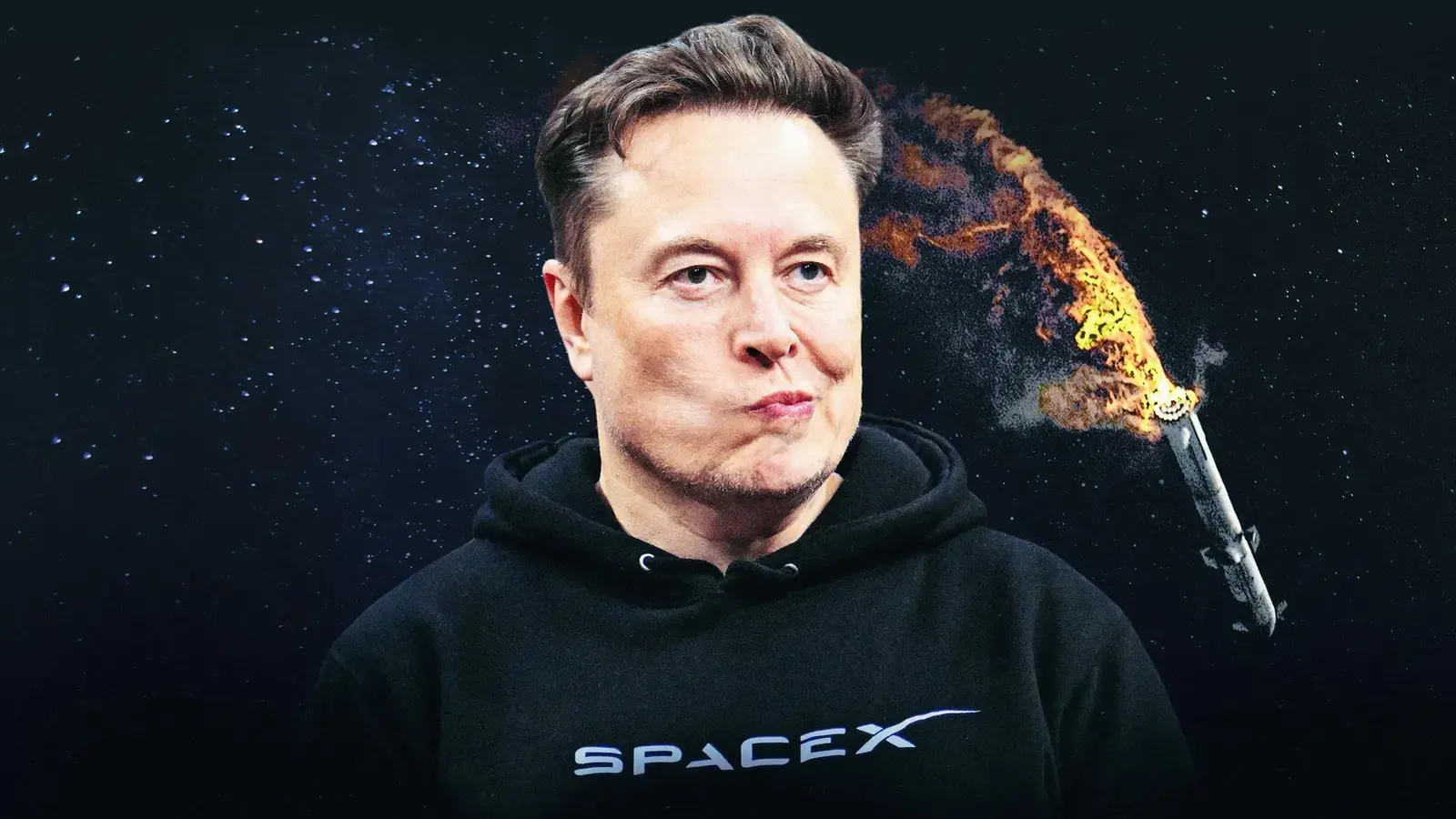
SpaceX has finally opened the books, and buried inside the excitement of a blockbuster public debut is a blunt warning to investors: Elon Musk is not just the company’s greatest advantage. He is one of its clearest risks.
That tension runs through the entire filing. On one page, SpaceX presents Musk as the architect of its long term future, the force behind its engineering ambition and Mars agenda. On another, it effectively tells investors that the same man could create conflicts, distractions, reputational damage, and direct competitive pressure through his other ventures.
It is a striking admission, even by Silicon Valley standards. Public companies usually list broad threats such as regulation, market volatility, or supply chain instability. SpaceX names its own chief executive as a core vulnerability, saying it is highly dependent on Musk’s continued leadership, vision, and technical expertise.
That would already be notable. But the filing goes much further, mapping out just how tightly Musk’s empire is woven together.
One ecosystem, many overlapping interests
The document shows that SpaceX is not operating in isolation. It is deeply entangled with Tesla, xAI, X, The Boring Company, and Neuralink, with financial relationships stretching across the broader Musk business network.
Tesla appears repeatedly in the filing. According to the document, Tesla holds nearly 19 million shares of SpaceX Class A stock, still less than 1 percent of total shares outstanding. The filing also says Tesla’s position in xAI was converted into SpaceX shares after Musk merged xAI with the space company in February.
Then there is the spending. SpaceX disclosed that it bought €120.6 million worth of Cybertrucks from Tesla at the listed retail price. Earlier reporting had suggested a large fleet purchase in late 2025, but the IPO filing indicates the total may be even higher. That matters because those orders may have helped support Cybertruck registration numbers at a moment when demand was under heavy scrutiny.
SpaceX has also been a major buyer of Tesla energy products. The company said it purchased €641.2 million worth of Tesla Megapacks in 2024 and 2025 to stabilize power demand at its Colossus I and II data centers in Memphis, Tennessee. In plain English, one Musk company is helping power another, and doing so at industrial scale.

Compared with those figures, the relationship with The Boring Company looks almost quaint. The tunneling firm paid roughly €1.1 million in office lease costs to SpaceX, while SpaceX spent about €920,000 for tunnel work at its headquarters in Bastrop, Texas.
None of this is illegal. None of it is even unusual by the standards of founder led conglomerates. But for public market investors, it sharpens the real question: where does one Musk company end and another begin?
The answer, at least from this filing, is that the boundaries are blurrier than many expected.
Earlier this year, SpaceX was valued at about €1.15 trillion after the combination with xAI, the artificial intelligence company that also controls X, formerly Twitter. That merger gave investors access to an enormous story, but also to a costly one. The filing shows that around 60 percent of SpaceX capital expenditures in 2025, or roughly €18.4 billion, went toward xAI. That is a huge internal commitment, especially given that xAI reportedly lost billions last year while growing revenue by only 22 percent.
The warning investors cannot ignore
The most revealing passages in the filing are not about rockets, launch cadence, or Mars colonies. They are about conflicts of interest.
SpaceX openly acknowledges that Musk’s growing list of businesses could collide with one another. It says future conflicts could involve transactions, strategic opportunities, or directly competitive activity. More notably, it states that Musk is not restricted from pursuing ventures that may compete with SpaceX, whether directly or indirectly.
That is not boilerplate language. It is a flashing signal.
The company also notes that Musk’s time and attention are divided. He remains deeply involved with Tesla, xAI, Neuralink, The Boring Company, and other initiatives. He has also served in public advisory roles. If his involvement with SpaceX were reduced, the filing warns, the effect on the company’s operations, financial condition, and future prospects could be materially adverse.
In other words, SpaceX is saying two things at once. It cannot function the same way without Musk. And Musk’s other commitments may prevent him from fully functioning as SpaceX needs.
That contradiction sits at the heart of the IPO story.
The filing also highlights another less predictable factor: public attention. Musk attracts headlines like few executives in modern business. Sometimes that boosts the brands around him. Sometimes it scorches them. SpaceX tells investors that Musk’s actions and statements, even when unrelated to the company itself, can have a positive or negative impact on customer relationships, regulatory scrutiny, and stock performance.
That may be the most realistic line in the entire document. Musk can move markets with a post, trigger political backlash in a weekend, or reshape public perception of a company without ever mentioning its products. For a newly public firm, that kind of volatility is not a side issue. It is part of the investment case.
There is also precedent for shareholder unrest. In 2024, several Tesla investors sued Musk, accusing him of shifting talent and resources away from Tesla and toward xAI. That case is still pending, and while it does not directly decide SpaceX’s future, it shows how quickly admiration for Musk’s reach can turn into concern over divided loyalties.
And that, more than any Mars rhetoric, may define how investors read this IPO. SpaceX is offering access to one of the most ambitious technology companies on the planet. It is also offering exposure to a corporate web in which capital, hardware, talent, and strategy move across Musk’s businesses in ways that are unusually concentrated around one individual.
For some investors, that is the appeal. For others, it is the risk hiding in plain sight.
SpaceX may be selling a future built on rockets and AI, but its filing makes one thing unmistakably clear: betting on the company also means betting on Elon Musk’s ability to manage a business empire that increasingly overlaps with itself.

“The cosmos has always fascinated me. I write about space missions, astronomy, and the technologies pushing humanity beyond Earth.”

Discussion
Leave a Comment