
3 Minutes
Picture this: you step into your living room, phone in hand, and the share sheet asks a simple question—Cast or AirPlay? That used to sound like wishful thinking for iPhone owners. Not anymore.
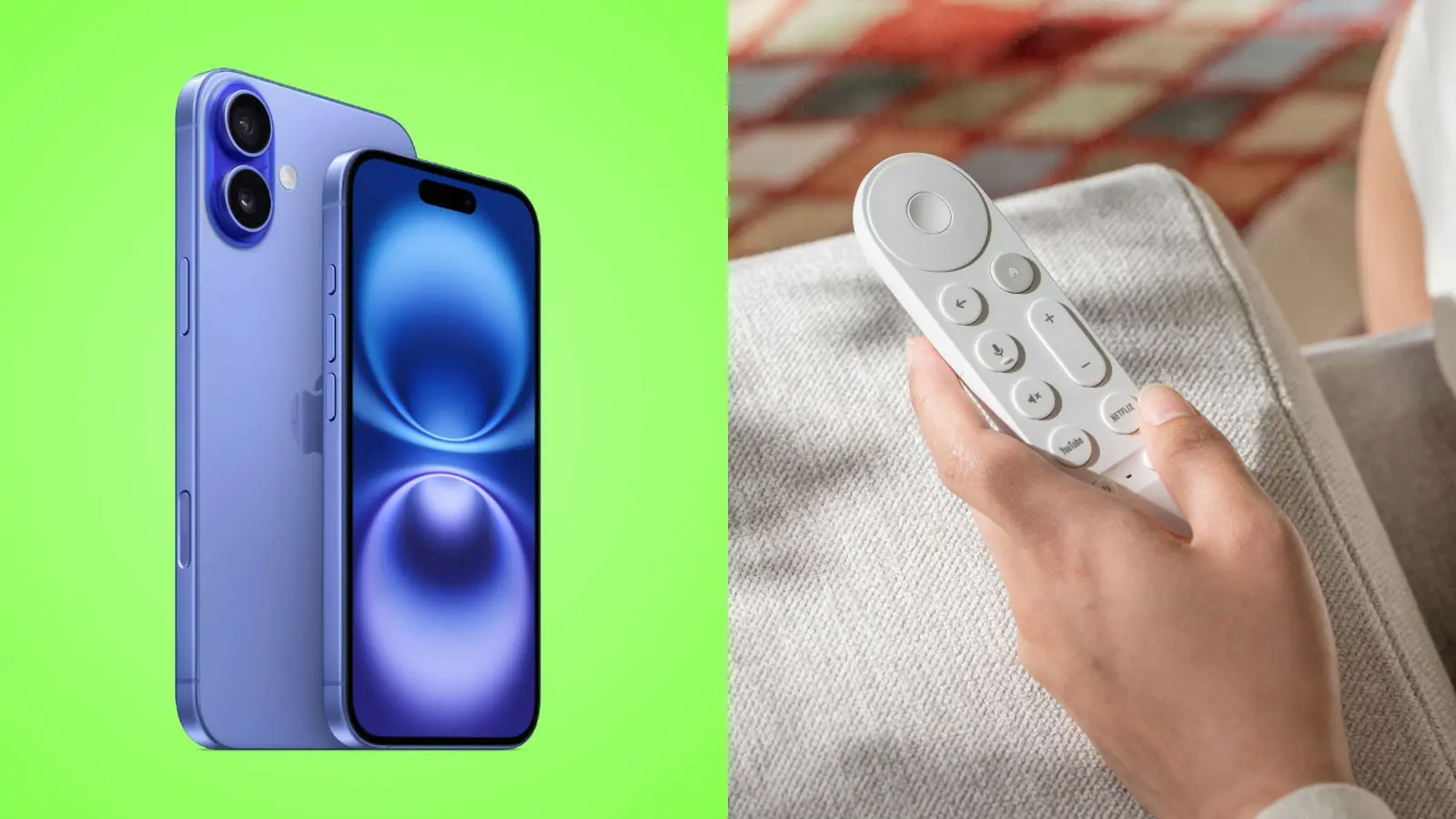
Bloomberg's Mark Gurman, a name that tends to get the inside track right, reports that Apple is preparing to let third-party streaming protocols live inside iOS 27. In plain terms: Google Cast could become a native option on iPhones, not just a workaround in apps. Even more significant, Apple may allow users to choose a non-Apple protocol as the default for wireless audio and video.
Regulation nudging a long-standing ecosystem
Why the shift now? Blame Brussels. The European Union's Digital Markets Act has pushed gatekeepers to open up parts of their platforms, and Apple appears to be responding. The change would satisfy EU rules and could reduce friction for multi-device households that already run mixed ecosystems.

Will this toggle be exclusive to the EU? That’s the wrinkle. Apple could limit the feature to European builds of iOS to comply with regional law. Or it could simplify engineering headaches by rolling Cast support out globally, keeping one codebase rather than several. Both choices have trade-offs: regional builds add maintenance complexity, while a global rollout invites broader scrutiny of Apple’s platform control.
For consumers, the practical upside is obvious. Want to beam a YouTube video to a cheap Chromecast or stream music to a third-party speaker without juggling apps? Native Cast support would make that seamless. For device makers and streaming services, it removes friction and widens interoperability.
There are technical and political puzzles to solve. Codec parity, DRM behavior, and system permissions all matter. Apple will need to reconcile these with its existing AirPlay stack while protecting user privacy and security—two areas the company emphasizes in public messaging.
We’ll know more when iOS 27 debuts on June 8. Until then, imagine a world where choosing how to stream is your choice, not an ecosystem constraint. Small change. Big implications.
Source: gsmarena



Leave a Comment