
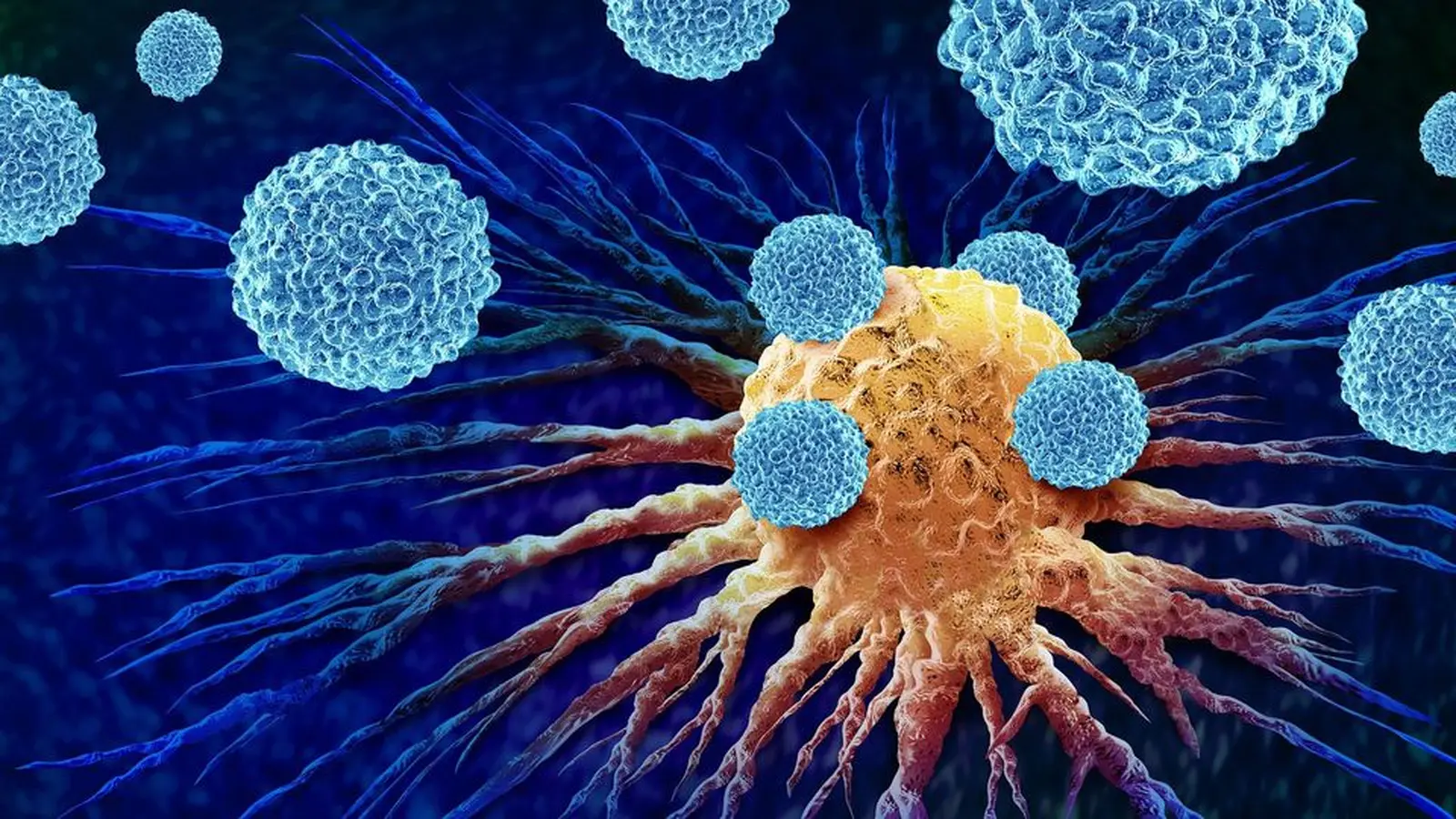
2025 Nobel Prize for immune tolerance: the discovery
Three scientists—Shimon Sakaguchi (Osaka University), Mary E. Brunkow (Institute for Systems Biology), and Fred Ramsdell (Sonoma Biotherapeutics)—were awarded the 2025 Nobel Prize in Physiology or Medicine for identifying how the body prevents its immune system from attacking itself. Their work established that a specialised subset of immune cells, called regulatory T cells (T-regs), act as essential “security guards” that restrain harmful immune reactions and maintain immune tolerance.
An effective immune system must eliminate pathogens and remove damaged cells while avoiding damage to healthy tissue. The laureates’ research explained a central paradox of immunology: how the immune system discriminates self from non-self and actively suppresses potentially destructive responses that would otherwise cause autoimmune disease.
Scientific background: T cells, the thymus, and tolerance
T lymphocytes (T cells) develop in the thymus, where many self-reactive cells are deleted early in life. For decades, immunologists believed that central tolerance in the thymus explained why most self-reactive T cells never cause disease. But observations in the 1980s and 1990s suggested an additional layer of control—cells that actively suppress immune responses in the periphery.
Sakaguchi’s landmark experiments challenged the prevailing view. When he removed the thymus from newborn mice and transferred T cells into genetically similar animals, instead of the expected immune deficiency, some mice developed autoimmune symptoms while others were protected. These findings led to the identification of a distinct T-cell population that prevents runaway immune activity. In 1995, Sakaguchi and colleagues described these cells as “regulatory T cells.”
How regulatory T cells work
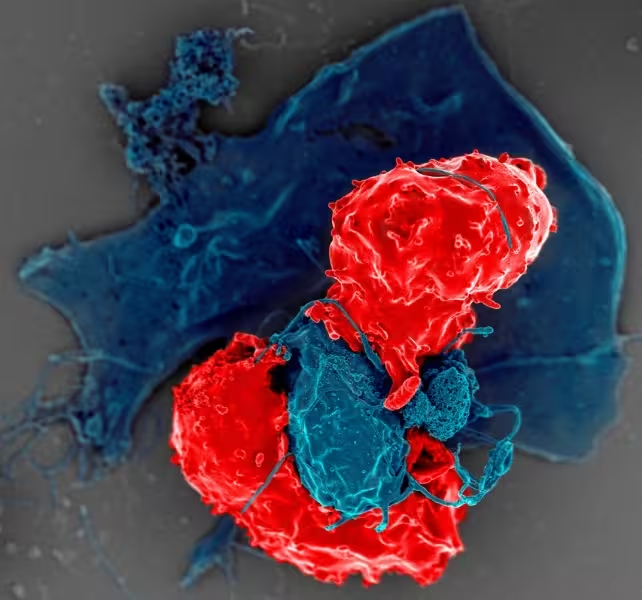
Scanning electron microscope image of T regulatory cells (red) interacting with antigen-presenting cells (blue). (National Institute of Allergy and Infectious Diseases/NIH/Flickr)
Subsequent work by Brunkow and Ramsdell clarified the mechanisms. Regulatory T cells suppress inflammation through multiple pathways: they secrete immune-dampening cytokines, consume growth factors needed by effector T cells, and deliver direct inhibitory signals to immune cells. Crucially, Brunkow and Ramsdell identified a transcription factor—FoxP3—that reliably marks these regulatory cells. FoxP3 acts as a molecular signature and master regulator, enabling researchers to identify, isolate, and study T-regs in health and disease.
Mechanisms and markers
- FoxP3: a defining transcription factor required for T-reg development and function.
- Cytokine-mediated suppression: T-regs release IL-10 and TGF-β to dampen inflammation.
- Cell-contact inhibition: T-regs can inhibit antigen-presenting cells and effector T cells through surface molecules and direct contact.
Clinical implications and impact
The discovery of T-regs transformed immunology from a passive model of tolerance to one in which active regulation is central. This shift has broad clinical implications:
- Autoimmune disease: Understanding T-reg deficits explains conditions such as type 1 diabetes, rheumatoid arthritis, and multiple sclerosis and points to therapies that restore or mimic regulatory function.
- Transplantation: Enhancing or transferring T-regs can reduce graft rejection and lower the need for long-term immunosuppression.
- Cancer immunotherapy: Modulating T-reg activity can boost anti-tumour immunity where T-regs suppress effective responses, while preserving them can limit immune-related side effects.
- Vaccines and infection: T-regs shape vaccine responses and resolution of infection, informing strategies to balance protection with controlled inflammation.
The Nobel Prize acknowledges not only a mechanistic insight but also the translational potential: targeted therapies that either enhance T-reg function to treat autoimmunity and prevent transplant rejection or limit T-reg suppression to strengthen anti-cancer immunity are now active areas of research and biotech development.
Future directions
Ongoing research seeks to: precisely expand antigen-specific T-reg populations, design small molecules that modulate FoxP3 activity, and combine T-reg therapies with cell-engineering techniques (such as CAR-T-reg approaches) to create safer, more specific immunotherapies. The field also explores environmental and microbiome interactions that influence T-reg development and stability.
Expert Insight
"The identification of regulatory T cells reframed how we think about immune balance," says Dr. Elena Martinez, an immunologist and science communicator. "It shifted the field from eliminating harmful cells to engineering tolerogenic solutions—allowing tailored therapies that either restore tolerance in autoimmune disease or release brakes on the immune system to fight cancer. The Nobel recognition underscores the broad clinical and conceptual impact of these discoveries."
Conclusion
The 2025 Nobel Prize highlights regulatory T cells as a foundational discovery in modern immunology. By revealing active mechanisms of immune restraint and identifying FoxP3 as a molecular marker, Sakaguchi, Brunkow, and Ramsdell opened new therapeutic pathways for autoimmune disease, transplantation, infection, and cancer. Their work continues to inspire research that aims to precisely tune immune responses for improved human health.

“The cosmos has always fascinated me. I write about space missions, astronomy, and the technologies pushing humanity beyond Earth.”

Discussion
Leave a Comment