
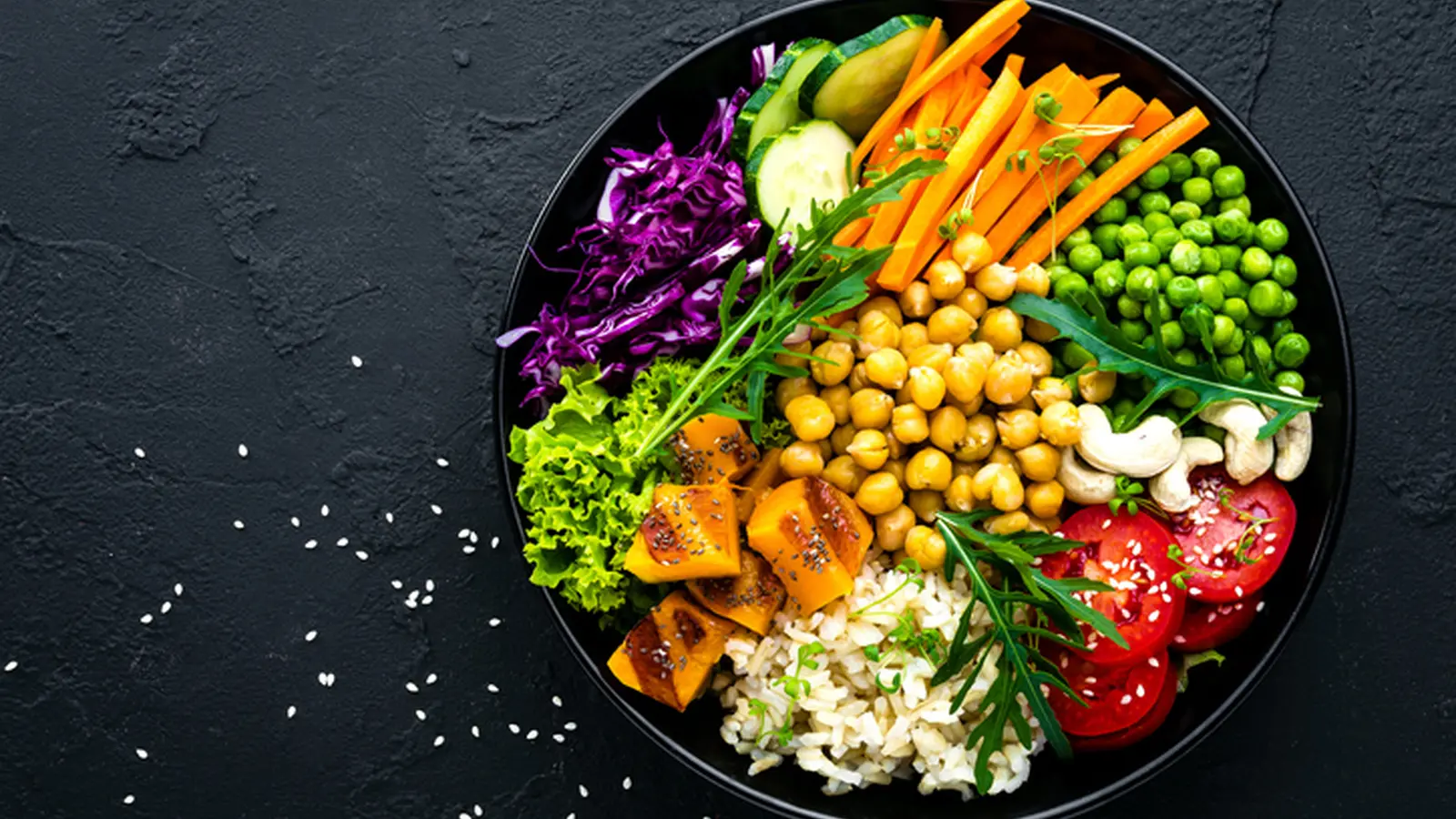
Picture two shopping carts rolling side by side. One is piled with whole grains, beans, olive oil, colorful vegetables, nuts and fresh fruit. The other is full of refined breads, sweetened beverages, potato chips and fruit juices. According to a large long-term study, which followed nearly 93,000 adults for about 11 years, the contents of those carts may help predict who keeps their memory sharp into old age.
The research, published in Neurology by the American Academy of Neurology, does not claim a smoking gun. It reports associations, not proof of cause. Still, the signal is clear: not all plant-based diets are equal when it comes to dementia risk.
When the plant on your plate matters more than the absence of meat
Investigators classified participants’ eating patterns into three plant-focused categories. The first, an overall plant-based score, simply measured how much plant food displaced animal products. The second favored high-quality plant foods such as whole grains, fruit, vegetables, vegetable oils, legumes, nuts, tea and coffee. The third tracked low-quality plant foods: refined grains, fruit juices, potatoes and added sugars.
Participants filled out food questionnaires at baseline, and a subset repeated the survey after about ten years. Researchers then assigned diet scores and grouped people into five bands from lowest to highest adherence. They controlled for age, physical activity, diabetes and other factors that also influence brain health.

Key numbers: people in the highest quintile of the overall plant-based score had about a 12 percent lower risk of Alzheimer’s disease or related dementias compared with those in the lowest group. High adherence to the healthful plant-based pattern was associated with a roughly 7 percent lower risk. By contrast, the highest consumers of unhealthy plant-based foods showed a 6 percent higher risk.
Change over time mattered too. In the subset that updated their diet a decade later, participants who shifted most toward unhealthy plant eating saw a 25 percent higher dementia risk. Those who reduced low-quality plant foods experienced an 11 percent drop in risk. The implication is straightforward: improving the quality of plant foods appears beneficial at any adult age.
High-quality plant-based diets were linked with lower dementia risk, while low-quality plant-based diets were linked with increased risk.
What this means for brain health and the limits of the evidence
Alzheimer’s disease remains the most common cause of dementia. Its onset is influenced by genetics, vascular health, lifestyle and environmental exposures. Diet enters this web through multiple possible mechanisms: it shapes blood pressure and diabetes risk, alters inflammation and oxidation, and even influences the gut microbiome, which in turn can affect brain chemistry.
Still, observational studies cannot entirely rule out confounding. Self-reported food questionnaires are imperfect. People who follow healthier diets may also exercise more, access better medical care or have other advantages that reduce dementia risk. The study’s authors acknowledge these limitations. They nonetheless stress that diet quality appears to be a modifiable factor worth attention.
Practical takeaway? Favor plants, but choose them wisely. Swap refined grains for whole grains. Replace sugary drinks and fruit juice with water or unsweetened tea and coffee. Add legumes, nuts and variety of vegetables. These are not guaranteed shields against cognitive decline, but they are low-risk actions with benefits for heart, metabolism and potentially the brain.
Expert Insight
Dr. Elena Morales, a neurologist and aging researcher at the University of Barcelona, comments: "This study strengthens a growing picture from nutrition science. What you eat over decades shapes vascular and metabolic pathways that the brain depends on. Even modest improvements in diet quality can have outsized benefits because they compound over time."
She adds a practical note: "If someone asks where to begin, focus on one change at a time. Replace refined breakfast cereals with oats. Add a handful of nuts several times a week. Small, consistent swaps are more likely to stick than wholesale overhauls."
Conclusion
The study does not settle whether plant-based eating prevents dementia, but it makes a persuasive case that the composition of plant foods matters. Quality matters. Choosing minimally processed grains, a range of vegetables, fruits, legumes and healthy oils correlates with lower dementia risk in this large, diverse cohort. Conversely, a diet heavy in refined plant products and added sugars appears to raise risk.
Future work should test these associations with randomized trials, biomarkers and brain imaging to pin down cause and mechanism. Meanwhile, swapping a few items in the grocery cart is a sensible, evidence-aligned step for those who want to protect their cognitive health.

“My work centers on sustainability, energy, and environmental science — examining how innovation can lead to a greener future.”

Discussion
Leave a Comment