
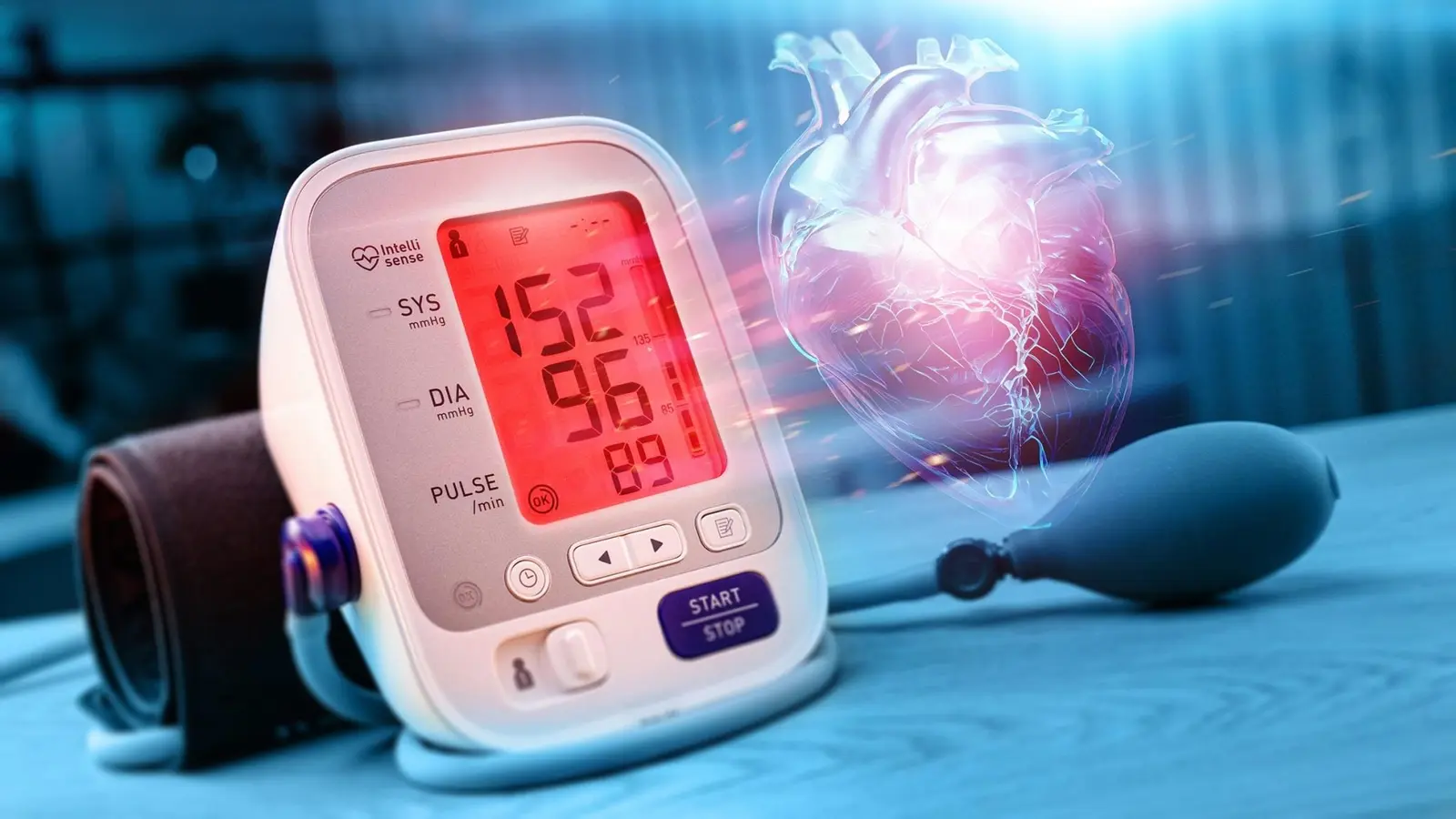
Open a packet of sliced bread or reach for a ready meal and you are almost certainly touching chemical preservatives. New epidemiological evidence from France suggests that this convenience may carry a cost to cardiovascular health.
A large French study suggests that preservatives commonly found in processed foods could be linked to higher risks of high blood pressure and cardiovascular disease.
How the researchers tracked diet and disease
Between detailed food labels and repeated diet records, the investigators reconstructed everyday exposures. The analysis drew on the NutriNet-Santé cohort, a long-term French nutrition study that enrolled 112,395 volunteers. Participants recorded everything they ate and drank over three-day periods every six months, and researchers then combed ingredient lists to identify preservative additives.
Follow-up averaged seven to eight years. During that time the team tracked new diagnoses of hypertension and broader cardiovascular events, such as heart attack, stroke, and angina. One striking early finding: 99.5 percent of participants had consumed at least one preservative during their first two years in the cohort. If preservatives are nearly ubiquitous, could some be quietly shaping population risk?
Which additives were linked to risk
Statistical models that adjusted for known cardiovascular risk factors showed consistent associations. People with the highest intake of non-antioxidant preservatives had about a 29 percent higher risk of developing hypertension compared with those who consumed the least. Their risk of cardiovascular disease rose by roughly 16 percent. High intake of antioxidant preservatives was associated with a roughly 22 percent greater chance of hypertension.
When the team drilled down to individual additives, eight compounds stood out for their link to high blood pressure. These were identified either by name or by their European E numbers:
- potassium sorbate (E202)
- potassium metabisulphite (E224)
- sodium nitrite (E250)
- ascorbic acid (E300)
- sodium ascorbate (E301)
- sodium erythorbate (E316)
- citric acid (E330)
- rosemary extract (E392)
Of these, ascorbic acid (E300) also surfaced in analyses linking preservatives to cardiovascular disease. The results do not prove causation, but they add weight to experimental studies that have hinted at biological mechanisms, including oxidative stress and effects on pancreatic or metabolic function.

Illustration: Common food preservatives linked to high blood pressure and heart disease.
What the lead researchers say
The study was coordinated by Dr. Mathilde Touvier, research director at INSERM, together with PhD student Anaïs Hasenböhler, both part of the Nutritional Epidemiology Research Team in Paris. Their work is among the first large-scale human investigations to probe a wide set of food preservatives against cardiovascular outcomes.
Hasenböhler notes that many experimental papers had already suggested possible harm, but human evidence was scarce. The new analysis fills that gap with high-resolution dietary data and years of clinical follow-up, though the authors are candid about limits tied to observational design and residual confounding.
Biological plausibility and next steps
Why might preservatives affect blood pressure or heart disease risk? Laboratory studies suggest several pathways: some additives can trigger oxidative stress, interfere with insulin or pancreatic function, or alter gut microbiota composition. Each of those processes is plausibly upstream of hypertension and atherosclerotic disease.
The researchers call for further experimental and mechanistic work, including investigations into inflammation markers, metabolic profiles measured in the blood, and microbiome shifts tied to additive exposure. Ultimately, they urge regulatory bodies such as EFSA in Europe and the FDA in the United States to re-evaluate the balance of risks and benefits for certain common additives.
Expert Insight
Dr. Laura Mendes, a cardiovascular epidemiologist not involved in the study, offers a cautious reading: "Large cohorts with repeated dietary measures are powerful, but observational findings require triangulation. Think of this as a clear signal for targeted lab studies and randomized trials where feasible. In the meantime, advising patients to prefer minimally processed foods is sensible public-health advice."
Conclusion
This French analysis does not outlaw preservatives overnight, but it changes the conversation. Preservatives are nearly omnipresent in modern food systems, and a growing body of evidence links some of them to higher blood pressure and modestly increased cardiovascular risk. For consumers and clinicians alike, the practical takeaway is familiar: reducing reliance on ultra-processed products and choosing whole, minimally processed foods will lower exposure to additives while supporting overall heart health. For regulators and researchers, the study signals a clear agenda: reappraise accepted additives and invest in mechanistic studies that can move association toward understanding.

“My work centers on sustainability, energy, and environmental science — examining how innovation can lead to a greener future.”

Discussion
Leave a Comment