
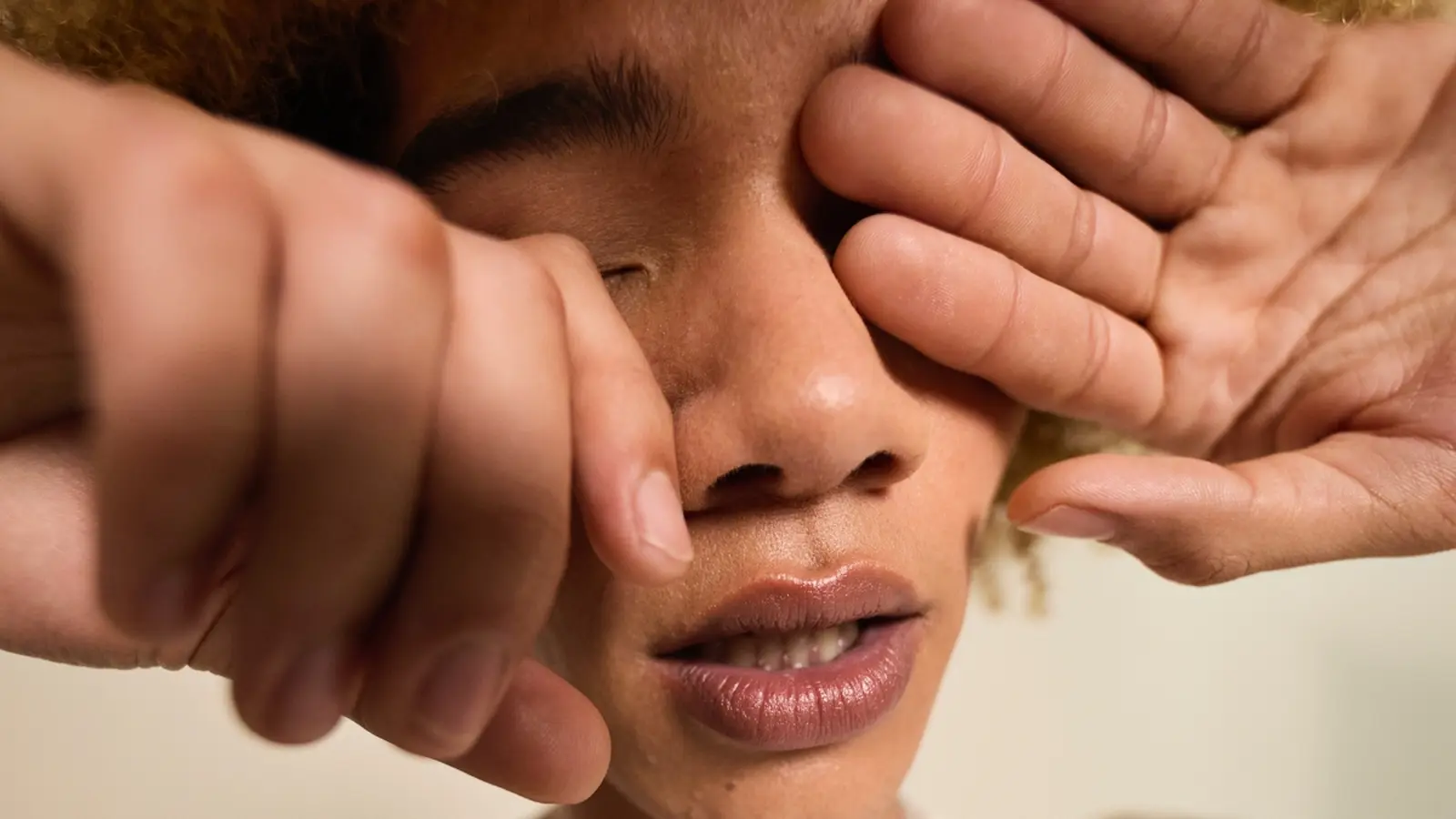
That irresistible itch. The late-night fatigue squeeze. A fingertip pressed to the fragile surface of the eye feels like instant relief. Short-lived relief, yes. But beneath that comfort are real risks: infections, scratched corneas, and in some people a progressive thinning of the cornea that can permanently degrade vision.
When a harmless habit becomes a medical problem
People rub their eyes for obvious reasons. Allergens float in the air. Dust lands. Contact lenses irritate. Sometimes it is simply the grit of a dry eye or the prick of swollen eyelids. The brain interprets those signals as a single command: get it off, scratch it, rub it. Yet the motion that seems so natural repeatedly transmits mechanical force to the cornea and eyelid tissues, and that force has consequences.

One of the most common triggers is allergic conjunctivitis. Allergens — pollen, pet dander, or dust mites — adhere to the conjunctiva, the thin transparent membrane that covers the eyeball and lines the eyelids. Immune cells release chemical mediators such as histamine. The result? Redness, swelling, watery discharge and a powerful urge to rub. Allergic itch accounts for nearly half of the cases where people reach for their eyes.
Other drivers include dry eye syndrome, blepharitis (inflammation of the eyelid margins), and foreign-body sensations. Any of these can provoke aggressive rubbing that scratches the corneal epithelium. A corneal abrasion — a scratch on that clear, protective layer — is not only painful but also increases the risk of bacterial infection and scarring that blurs vision.
Understanding the deeper risk: keratoconus and corneal weakening
There is one complication that raises particular alarm among eye specialists: keratoconus. In keratoconus the cornea progressively thins and bulges outward into a cone-like shape. What begins as blurred, distorted vision and irregular astigmatism can progress to severe visual impairment. For many patients, specialized contact lenses are required to regain usable vision. In end-stage disease, corneal transplantation may be the only option.

How does rubbing fit into this picture? Repetitive mechanical stress — especially in people with an underlying predisposition — can accelerate corneal weakening. The exact pathway is complex and still under study, but prolonged mechanical trauma appears to disrupt the cornea’s collagen framework and biochemical stability. For those with early keratoconus or a family history of the disease, habitual eye rubbing may hasten progression and amplify the need for interventions such as corneal cross-linking, a treatment that chemically strengthens corneal collagen to slow or stop deterioration.
Troubles you can trigger with a single rub
Aggressive rubbing may cause:
- Corneal abrasions: painful, vision-disrupting scratches that require antibiotic treatment to avoid infection.
- Subconjunctival hemorrhage: a burst surface vessel that causes dramatic redness but typically resolves in one to two weeks.
- Transmission of infection: viral or bacterial conjunctivitis can spread by contaminated hands; rubbing increases that risk.
- Worsening of chronic conditions: dry eye and blepharitis often form a feedback loop with rubbing, where symptoms get worse and the urge to rub intensifies.
Even when a red eye looks alarming, the clinical significance varies. A subconjunctival hemorrhage is usually benign. A corneal scratch is urgent. If vision is blurred or pain is severe after rubbing, seek professional care.
Practical steps that reduce the urge and lower risk
Breaking the habit begins with treating the cause. Here are evidence-informed, practical measures ophthalmologists recommend.
- Use preservative-free artificial tears regularly to lubricate and flush allergens or irritants. Cooling drops kept in the refrigerator can be particularly soothing.
- Avoid "get the red out" vasoconstrictor drops for frequent use; they provide temporary cosmetic relief but can create rebound redness and other side effects.
- For allergic triggers, minimize exposure: stay indoors during high pollen counts, shower and change clothes after outdoor activity, and wear wraparound sunglasses to shield the eyes from airborne particles.
- Topical allergy drops that combine antihistamine and mast cell stabilizers can be effective for controlling itch. Discuss options with your eye care professional to find the best fit.
- Maintain eyelid hygiene if blepharitis is present: warm compresses and gentle lid scrubs reduce bacterial load and inflammation that cause itch.
- Practice hand hygiene. If you must touch your eyes, wash hands first. Viral conjunctivitis is highly contagious, and hand-to-eye contact spreads infection easily.
If over-the-counter measures fail, an examination by an optometrist or ophthalmologist is warranted. Persistent symptoms, recurring abrasions, or changes in vision are red flags that require diagnostic evaluation and targeted therapy. Treatments range from prescription anti-inflammatory eye drops to corneal cross-linking when structural changes to the cornea are detected.
Expert Insight
Dr. Leila Ramos, a corneal specialist with two decades of clinical experience, sums it up plainly: "Rubbing may feel trivial, but the cumulative mechanical impact on the cornea is not. We see patients who thought a quick rub was harmless until progressive distortion required cross-linking or specialized lenses. Simple prevention is both low-cost and high-impact: treat the itch, protect the eye, and see your eye doctor if symptoms persist."
Science in context and future directions
Research into the biomechanical consequences of eye rubbing continues. Imaging methods such as corneal topography and tomography let clinicians detect subtle changes in corneal shape long before severe vision loss. These technologies, paired with earlier intervention strategies like corneal cross-linking, have shifted the management of keratoconus from reactive to proactive. The goal is preservation of native tissue and vision, reducing the need for transplants.
On the therapeutic front, investigators are exploring targeted anti-inflammatory agents and novel contact lens designs that improve comfort and stability for those with irregular corneas. Public health measures that raise awareness about the risks of habitual eye rubbing — especially among allergy-prone teenagers and contact lens wearers — can reduce preventable damage.
Conclusion
Rubbing your eyes is a common reflex, but common does not mean harmless. From transient redness to corneal abrasion and long-term corneal weakening such as keratoconus, the spectrum of risk is broad. Treat the underlying cause: use lubricating drops, control allergies, practice eyelid hygiene, and see an eye care professional when symptoms are persistent or severe.
Small behavior changes make a big difference. Resist the urge. Protect your vision.

“The cosmos has always fascinated me. I write about space missions, astronomy, and the technologies pushing humanity beyond Earth.”

Discussion
Leave a Comment