
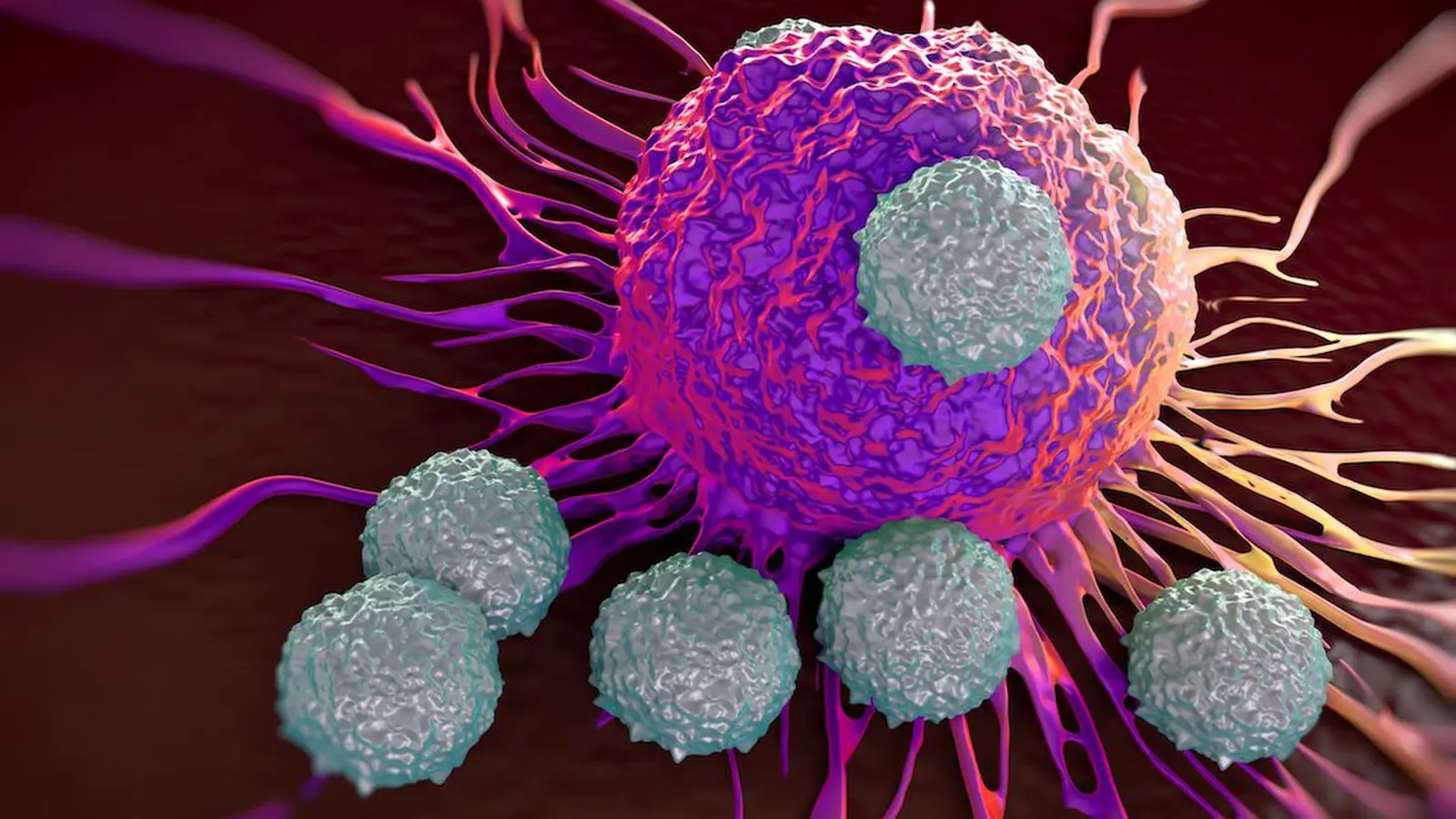
Inside many solid tumors the scene is grim: immune cells arrive to fight, but cancer cells have already consumed the fuel. T cells try to mount an attack and then fade. They are present. They are exhausted. They are out of energy.
UCLA researchers have developed a way to give immune cells access to a hidden energy source that tumors can’t exploit, helping the cells remain active in the harsh environment of solid cancers. UCLA researchers gave T cells a protected supply of sugar, allowing them to attack solid tumors more effectively.

Turning an agricultural sugar into a cellular lifeline
Cancer and immune cells often compete for the same nutrient: glucose. Many aggressive tumors hoard glucose, leaving infiltrating T cells metabolically starved and unable to produce the proteins they need to kill tumor cells. It is a metabolic tug of war with deadly consequences for patients facing lung, breast, colorectal and other solid cancers.
Rather than try to force more glucose into the tumor microenvironment, researchers at UCLA took a different tack. They looked for a sugar that tumor cells could not use, but that could be made useful inside T cells. The candidate was cellobiose, a natural disaccharide found in plant fiber. Cellobiose is non-toxic and commonly present in some foods, yet most human cells, including tumor cells, lack the enzymes to break it down.
So the team borrowed tools from fungi. By equipping T cells with two fungal proteins that process cellobiose, the immune cells gain an exclusive fuel source inside their own cytoplasm. The tumor still cannot metabolize that sugar, but the modified T cells can convert it to glucose internally and feed the metabolic pathways they need to proliferate, make cytokines, and kill.
Lab and animal results that change the balance
In laboratory models designed to mimic the nutrient-poor conditions inside many solid tumors, unmodified T cells rapidly lost function. They stopped dividing, reduced production of critical cytokines such as interferon gamma and tumor necrosis factor, and failed to control cancer cells. The engineered T cells, supplied with cellobiose, behaved very differently. They survived, expanded, produced effector cytokines, and eliminated tumor cells more effectively.
When this metabolic reprogramming was tested in mouse models, the difference was stark. Mice treated with tumor-targeted T cells capable of using cellobiose showed slower tumor growth and a significant survival advantage compared with controls. Some animals experienced complete tumor regression. Within the tumors, the modified T cells were more numerous, less exhausted, and metabolically healthier, suggesting the intervention preserved their functional lifespan during the critical window of an immune attack.
The strategy also translated to human CAR-T cells in preclinical assays. CAR-T variants exposed to low-glucose conditions typically lose viability and cytokine production, a major obstacle to their use against solid tumors. Adding the cellobiose-processing genes restored CAR-T survival, growth, cytokine secretion and tumor-killing activity in vitro, and improved intratumoral activity in mouse models.
Why this matters for immunotherapy
More than 500 clinical trials worldwide are pushing CAR-T and other T cell therapies into solid tumors, but many have been stymied by exhaustion and metabolic failure of the transferred lymphocytes. A metabolic rescue strategy that gives T cells an exclusive nutrient could act as a force multiplier for those efforts.
This approach is broadly applicable. The genetic modification involves adding two genes that encode enzymes for cellobiose use; the sugar itself is inexpensive and already considered safe for human consumption in certain contexts. If dosing and delivery can be controlled to feed only the engineered cells, the technique could be added to many different cell therapy platforms without redesigning their antigen-targeting systems.
Expert Insight
Dr. Elena Ruiz, an immuno-oncologist at a major cancer center, commented that the work addresses a basic but often overlooked problem: energy. "We tend to think about antigen recognition and trafficking, but without metabolic support, T cells cannot translate recognition into killing. This is a clever way to shield the immune cells from the tumor's metabolic dominance and extend their functional window inside hostile microenvironments," she said. "The next questions are safety and scalability: can the system be tightly controlled in patients, and will it work across tumor types?"
Scientific context and next steps
Supplying a nutritional niche exclusively to immune cells reframes the metabolic competition between host and tumor. It is not simply about starving the tumor; it is about provisioning the immune response. That shift in perspective opens several practical lines of investigation: optimizing the enzyme constructs for human use, developing controlled cellobiose delivery protocols, and combining the approach with checkpoint inhibitors or other therapies that reduce immune suppression.
Safety will be a central concern in clinical translation. Any gene added to T cells must be shown not to create off-target effects or enable unintended microbes to exploit the sugar. Regulatory pathways will require careful preclinical toxicology and biodistribution studies. Still, the fact that cellobiose has prior use in food products and that the engineering relies on only two additional genes simplifies the development pathway compared with more complex synthetic biology solutions.
Conclusion
The UCLA approach offers a practical and elegant way to tilt the metabolic balance in favor of immune cells inside solid tumors. By turning an otherwise unusable plant sugar into an internal energy reserve, engineered T cells keep fighting longer and more effectively. If this strategy proves safe and scalable in humans, it could become a foundational enhancement for many T cell–based cancer therapies, bringing renewed hope for tumors that have so far resisted immune control.

“The cosmos has always fascinated me. I write about space missions, astronomy, and the technologies pushing humanity beyond Earth.”

Discussion
Leave a Comment