
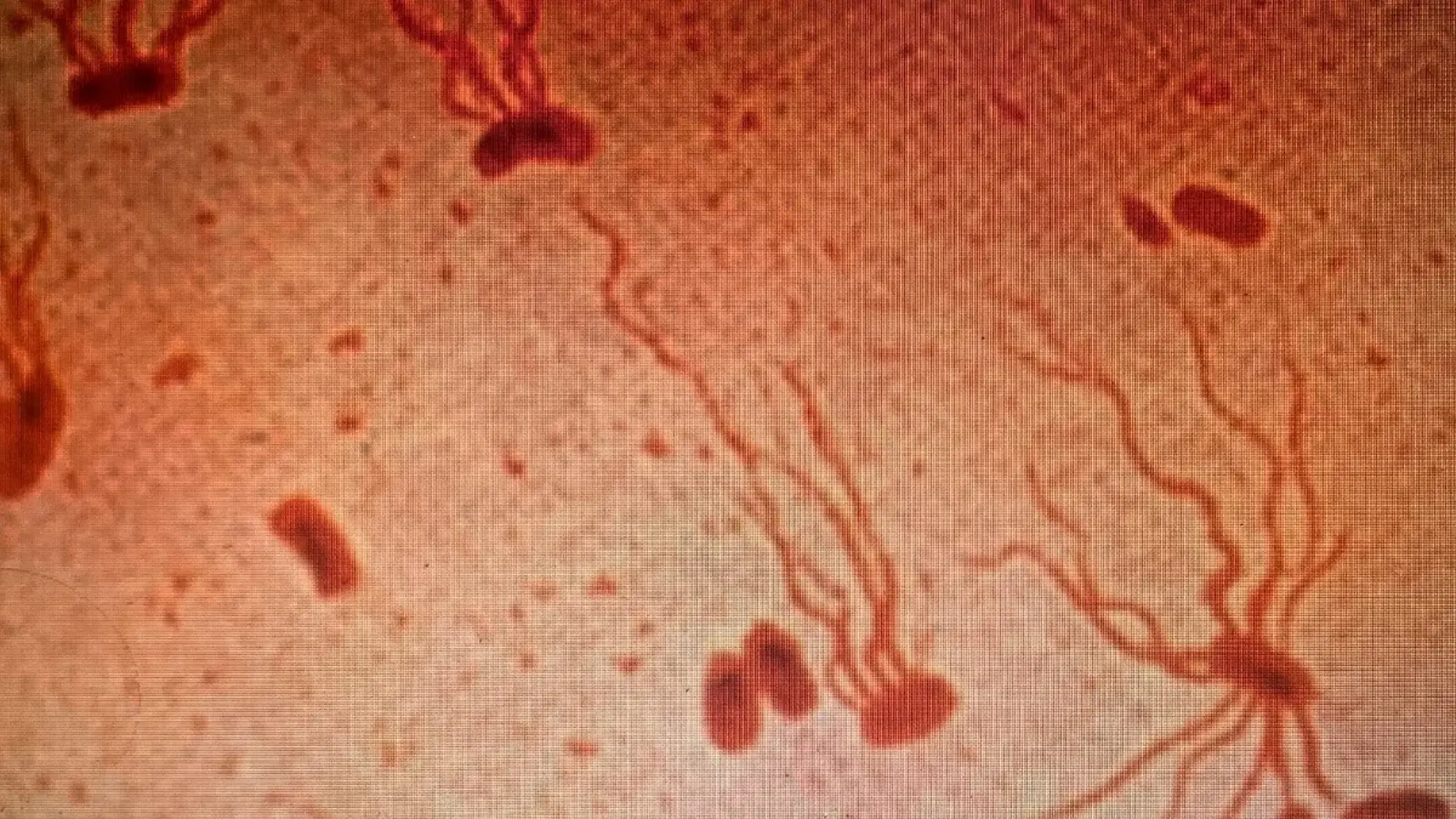
A silent, ancient killer is quietly slipping through the gaps of modern medicine. The bacterium that causes typhoid fever has shadowed human history for centuries. Today it is no longer a headline disease in wealthy nations, but in large parts of Asia and Africa it remains stubbornly common and increasingly difficult to treat. New genetic surveillance shows the strains responsible are evolving resistance to almost every oral antibiotic we rely on.
Why this matters now
Between 2014 and 2019, researchers sequenced the genomes of 3,489 Salmonella Typhi isolates collected in Nepal, Bangladesh, Pakistan and India. The pattern was unmistakable: extensively drug-resistant, or XDR, Typhi is spreading and, in places, outcompeting non-resistant strains. XDR Typhi resists historic first-line drugs such as ampicillin and chloramphenicol, second-line agents like fluoroquinolones, and even third-generation cephalosporins. That leaves very few oral options.
Public-health specialists worry because when oral treatments fail, hospitalized intravenous therapies become the only recourse. Those are expensive, require medical infrastructure, and in many regions simply aren’t available at scale. The calculus is brutal: untreated, typhoid can have a case fatality rate as high as 20 percent.
The slow creep toward untreatable infections
Resistance did not appear overnight. In the 1990s and early 2000s, mutations that blunt fluoroquinolone efficacy rose sharply across South Asia and nearby countries. By 2016, Pakistan reported the first XDR typhoid outbreak. Within a few years that genotype had become dominant there. The 2022 genomic study warned that mutations conferring resistance to azithromycin, the last widely available oral option, are now on the move.
Are we on the cusp of losing all oral antibiotics for typhoid? It is a real possibility. The same study noted nearly 200 documented international export events of resistant strains since 1990. Cases have been detected in Southeast Asia, East and Southern Africa, the United Kingdom, the United States and Canada. Global travel and trade make local resistance a global threat.
"The speed at which highly resistant strains of S. Typhi have emerged and spread in recent years is a real cause for concern, and highlights the need to urgently expand prevention measures, particularly in countries at greatest risk," said Jason Andrews, an infectious disease researcher at Stanford University.

A world map highlighting regions where vaccination against typhoid is recommended. (CDC)
Prevention is the lever we still control
Vaccination and improved water, sanitation and hygiene are the strongest defenses. Typhoid conjugate vaccines (TCVs) not only protect individuals, they reduce transmission across communities. Pakistan became the first country to roll out routine typhoid immunization; other nations are following, or planning to. The World Health Organization prequalified four TCVs as of April 2025, opening the door for wider programmatic use in endemic countries.
Modeling from India suggests targeted urban vaccination of children could cut cases and deaths by more than a third in some settings. But vaccines will only blunt the crisis if they reach the places that need them most. Here lies the policy challenge: financing, delivery systems, and public trust.
- Antibiotic stewardship matters: preserving existing drugs slows selection for resistance.
- Surveillance matters: genomic monitoring detects emerging resistance early.
- Vaccines matter: TCVs reduce both disease and opportunities for resistance to evolve.

Typhoid inoculation at a rural school, San Augustine County, Texas. April, 1943.
What the science tells us about next steps
Researchers recommend three parallel actions. First, expand vaccine coverage in endemic regions now. Second, invest in genomic surveillance so new resistance markers are detected quickly. Third, accelerate antibiotic research and push for treatments that are effective against XDR strains. The 2022 paper in The Lancet Microbe warned that if azithromycin-resistance mutations become established in XDR lineages, oral therapy could be effectively obsolete.
Antimicrobial resistance is a major global killer. It already causes more deaths than HIV or malaria in many assessments. Typhoid’s decline in wealthier countries was won by improving sanitation and broad public-health measures, together with antibiotics. We must not assume that success will hold without active, planned effort.
Expert Insight
"Genomic data give us a map of where resistance is coming from and how it moves. That lets public-health officials target vaccines and resources before outbreaks become crises," says Dr. Mira Patel, an infectious-disease epidemiologist with two decades of field experience. "We can buy time with vaccines and surveillance, but long-term solutions require investment in water systems and new antimicrobial agents."
The study was published in The Lancet Microbe.
Conclusion
Typhoid is not a footnote of history. It is an evolving threat that exploits gaps in health systems, vaccine coverage, and antibiotic development. Containing XDR and azithromycin-resistant Salmonella Typhi will demand coordinated action: stronger surveillance, wider vaccination, better sanitation, and a renewed pipeline for antibiotics. The clock is ticking. Global health agencies, national governments, funders and scientists must act together before oral treatments become a relic.
An earlier version of this article was published in June 2022.

“My work centers on sustainability, energy, and environmental science — examining how innovation can lead to a greener future.”

Discussion
Leave a Comment