
4 Minutes
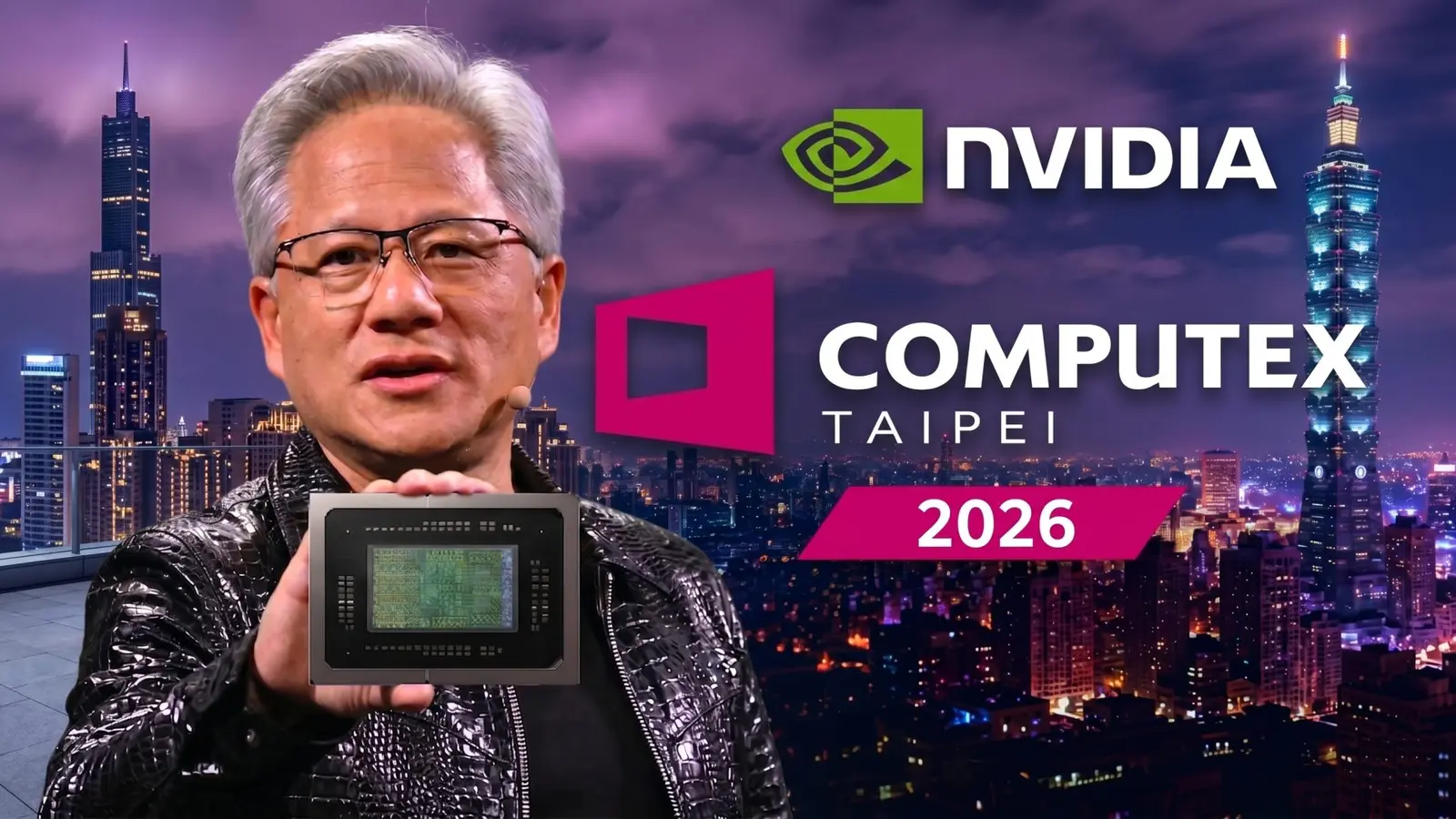
Coordinates and a tease sent Taipei into a little frenzy. Tweets pointed to the Taipei Music Center, cryptic posts promised a "new era of PC," and Jensen Huang is due on stage. Expect fireworks, not fine print.
Nvidia and Arm are hinting at something ambitious: a laptop APU called N1X built on the GB10 Blackwell architecture. The spec sheet that has leaked reads like a manifesto for a different kind of laptop. Twenty ARM CPU cores. 6,144 CUDA cores. A unified memory pool riding a 256-bit LPDDR5X channel. That last bit matters more than it sounds. Shared memory means the GPU can borrow large chunks of RAM for heavy workloads, which shifts how notebooks handle AI models and large datasets.

What the N1X could actually do
Raw numbers do not always tell the whole story. True. But they do set expectations. On paper, N1X sits ahead of AMD s best APUs. In practice, ARM-powered laptops have proven uneven for gaming. Memory bandwidth and power constraints bite. The GPU in N1X carries the same core count as a desktop RTX 5070, but power budgets in thin-and-light machines are unforgiving. Keep hopes tuned, not amplified.
Where the chip could be a game changer is local AI. Think running large language models with hundreds of billions of parameters on a notebook. Or real-time image and video generation without cloud roundtrips. High-bandwidth shared memory and a CUDA-first software stack open those doors. CUDA s mature tooling gives Nvidia an early advantage for consumer AI applications.

Partners are already spilling hints. Dell, Lenovo, and ASUS have either leaked or suggested N1X variants. HP has been quieter, but silence rarely means absence when new silicon arrives. Price? Top-tier machines with similar capability, like 128 GB models from other vendors, already hover around €2,800. Expect premium pricing for the first wave of N1X systems.
Beyond laptops, Jensen is likely to flesh out Nvidia s Vera Rubin story. Nvidia has been assembling a full-stack AI pitch for a while: Vera GPUs, Vera CPUs, software, and the ecosystem that ties them together. Computex may not be the debut stage for new datacenter hardware, but it is a spotlight moment to outline availability, partner timelines, and how the pieces fit for enterprises and developers.

There will also be a louder push on physical and agentic AI. Nvidia has quietly invested in edge and robotics platforms like Jetson Thor. Now the company wants to show how those building blocks let machines perceive, plan, and act with less latency and more autonomy. The language will be bold. The demos might be cleaner than the headlines. Skepticism is healthy, but the tech is maturing.
Gamers should pay attention, but not expect center stage. Nvidia has folded gaming into its broader edge-computing category, and recent controversy around DLSS version 5 means the company will likely be cautious. New discrete desktop launches look unlikely at Computex; memory shortages have delayed refreshes. Rumors about an RTX 3060 revival keep surfacing, but treat those as whispers until Nvidia confirms.

Computex 2026 promises to be less about one product and more about positioning: Nvidia wants to thread together laptops that feel like AI workstations, an end-to-end datacenter story, and edge platforms that enable real-world autonomy. If the N1X lives up to the core claims, it could be the most visible proof yet that Nvidia is trying to redraw the lines between consumer PCs and AI machines.
Source: wccftech


Comments
bioNix
is this even true? sounds like desktop GPU squeezed into thin laptops. shared memory sounds cool but thermal, drivers, power limits will bite. show real benchmarks.
mechbyte
Wow 20 ARM cores + 6,144 CUDA? If that's real, notebooks could finally run big LLMs offline. Price will hurt tho, batteries gonna cry, but damn excited!

Leave a Comment