
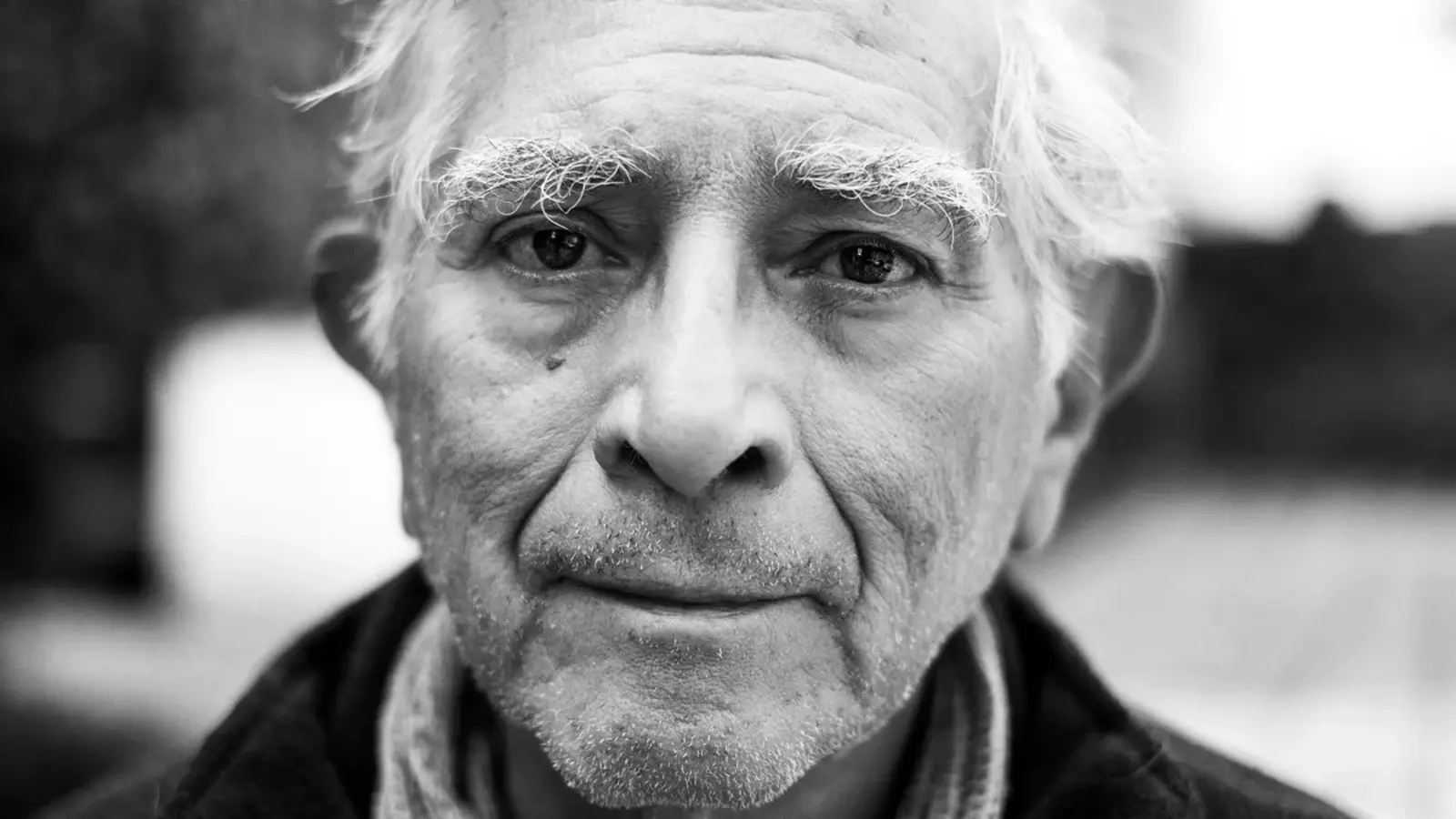
A short stay in hospital. A new prescription. A week spent mostly in bed. For many older people, those small events can mark the turning point between independence and a cascade of new needs. The clinical term for that vulnerability is frailty, and while it sounds technical, the story it tells is simple and urgent.
Some of the most powerful interventions to slow or improve frailty are also the most ordinary: regular movement, adequate nutrition and meaningful social connection.
Why a single sign matters more than age
We often equate ageing with steady decline, but clinicians are increasingly separating chronological age from physiological resilience. Frailty captures the body’s dwindling reserve, the margin it has left to tolerate stress. A person’s calendar age tells you little about whether they will bounce back after pneumonia, or whether that same infection will lead to prolonged disability.
How does that play out in everyday life? Imagine two 82-year-olds. One recovers quickly after surgery and goes home. The other struggles to stand, loses weight, and needs long-term care after a short hospital admission. The difference is not merely chance. It is frailty versus robustness in action.
Older adults living with frailty have less physiological reserve: the body's spare capacity to cope with illness, injury or stress. A relatively small event can trigger a sudden loss of independence.

Older adults living with frailty have less physical capacity to cope.
How clinicians measure frailty and why the label isn’t fixed
There are two widely used ways to assess frailty. One treats it as a physical syndrome, identified by markers such as weakness, exhaustion, slow walking speed, unintentional weight loss and low activity. Someone with one or two of these features may be called pre-frail, while several signs point to frailty.
The other approach treats frailty as the cumulative burden of health deficits accrued over time: chronic diseases, mobility limits, sensory losses, cognitive problems, poor nutrition and social isolation all chip away at resilience. Both methods aim to capture the same reality from different angles — how prepared the body and mind are to cope when stress comes.
Crucially, frailty is not necessarily permanent. Large reviews show movement in both directions: some people become more frail, others improve, and many remain stable for years. Over an average follow-up of nearly four years in one synthesis, about 14 percent improved their frailty status, nearly 30 percent worsened, and just over half stayed about the same. Those figures tell us frailty is dynamic and, in many cases, modifiable.
Practical, evidence-based steps that change trajectories
Early signs such as slowing down, fatigue or unintentional weight loss are windows for intervention. Clinical trials and community programmes consistently point to a handful of low-tech strategies that deliver measurable benefits.
Movement and strength
- Resistance training matters. Twice-weekly strength work using weights, bands or bodyweight improves muscle power and functional performance.
- Walking and balance practice reduce fall risk and support daily function.
Nutrition and cognitive challenge
- Adequate protein intake and attention to weight changes support muscle recovery and resilience.
- Activities that exercise memory, attention and problem solving strengthen cognitive reserve, which interlocks with physical recovery.
Social connection and purpose
Recovery often depends on more than physiology. Studies show that older adults who engage in exercise-based social groups, who rate their health more positively and who trust and interact with neighbours have higher odds of moving to a less frail state. Psychological resilience, the ability to adapt to stress and recover over time, also correlates with improved outcomes.
An Irish trial delivered a home-based programme through primary care to older adults with mild frailty. The package combined strengthening exercises, regular walking and dietary protein guidance. After three months, frailty rates in the intervention group fell from 17.7 percent to 6.3 percent, while slightly increasing in the usual-care group. That is not small change. It is evidence that targeted support can shift risk in months, not years.

Frailty isn't always permanent, research suggests.
What this means for patients, families and systems
Screening for frailty is becoming routine in many health settings for adults over 65. Rather than a binary label, clinicians are asking where someone sits on a spectrum from robustness through pre-frailty to severe frailty, and what practical supports could build reserve. That shift has implications for care planning, surgical decisions and preventive services across primary and acute care.
For families and individuals, the upside is clear: everyday choices matter. Regular physical activity, attention to diet and maintaining social ties are interventions people can start now. They are inexpensive and scalable, and in many cases they outperform expectations.
Expert Insight
"Frailty is not a sentence," says Dr. Ana Valdez, a geriatrician who has worked in both community and hospital settings. "We see dramatic differences when care teams identify early decline and mobilise straightforward supports: strength work, protein-rich meals, and community connections. Those elements together change risk in ways that matter to patients and their families."
Dr. Valdez adds that the clinical task is identification followed by realistic, personalized actions that fit an older person’s life. "Small, consistent steps yield disproportionate benefits. That is a hopeful message for ageing populations everywhere."
Conclusion
Frailty is a powerful predictor of hospitalisation, prolonged disability and mortality, yet it is not inevitable. Evidence shows that targeted lifestyle measures, social engagement and cognitive stimulation can prevent, slow or even reverse frailty for many people. Health systems that screen for early decline and offer practical, low-cost supports stand to reduce suffering and preserve independence for older adults. In the end, resilience in later life often comes down to movement, nourishment and connection — ordinary actions with extraordinary effects.

“The cosmos has always fascinated me. I write about space missions, astronomy, and the technologies pushing humanity beyond Earth.”

Discussion
Leave a Comment