
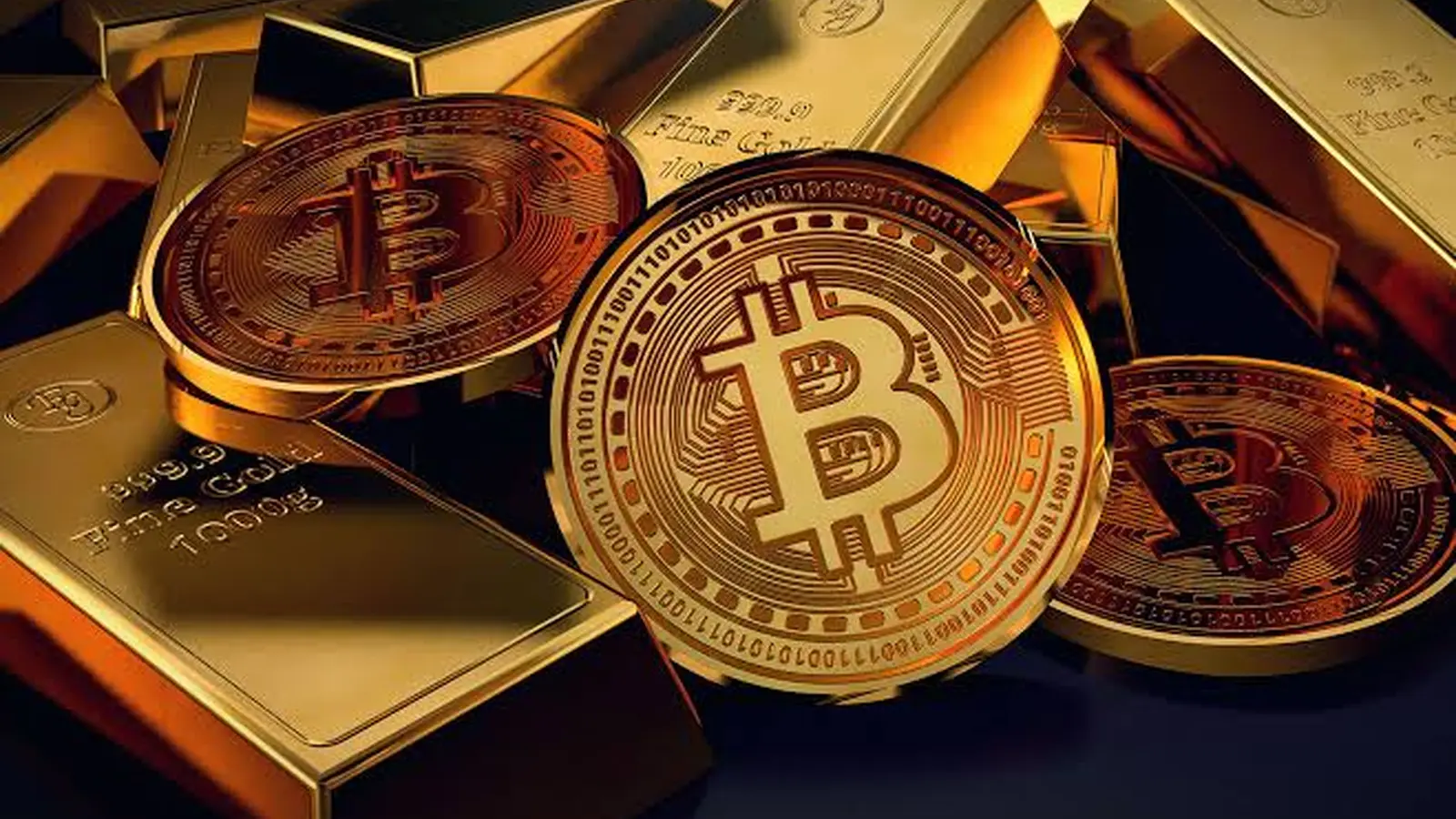
Giustra Questions Bitcoin’s "Digital Gold" Status
Canadian financier and billionaire Frank Giustra has renewed a high-profile critique of Bitcoin’s positioning as "digital gold," arguing that blockchain traceability and government seizure powers undermine the cryptocurrency’s appeal as a safe-haven asset. His comments followed U.S. claims that authorities had seized nearly $1 billion in crypto linked to Iran, reigniting debate about whether Bitcoin can truly offer the same protection and privacy as physical bullion.
Giustra, who is also a vocal gold supporter, contends that public ledgers make crypto holdings far easier to trace and attach to individual users than physical gold, which has no inherent digital footprint. "There is no escape," he wrote, warning that anyone identified as holding contested coins could face legal consequences and potentially be forced to live as a fugitive.
US Seizures and Enforcement: What Happened
Nearly $1 billion in Iran-linked crypto
U.S. officials have stated they recovered close to $1 billion in cryptocurrency connected to Iran-linked networks as part of a broad enforcement campaign. U.S. Treasury Secretary Scott Bessent emphasized that law enforcement is actively following digital funds that move outside traditional banking channels. Bessent’s blunt caution — "Some of them are typing in their wallets right now and have no idea it’s already gone" — highlighted how seizure tools are being framed as an operational element of sanctions and counter-finance efforts.

Stablecoins, freezes, and custody differences
These recent actions also underscore distinctions between types of crypto assets. Stablecoin issuers such as Tether can freeze tokens when they receive legal or compliance requests: public reports say Tether froze $344 million in USDT across two Tron wallets linked to the Islamic Revolutionary Guard Corps after sanctions and law enforcement action. By contrast, Bitcoin has no central issuer that can freeze coins, but its public transaction history can be used to trace funds, lead to court orders, exchange account seizures, and recovery actions — especially when custodians or intermediaries are involved.
Giustra’s Core Argument: Traceability Trumps Self-Custody Claims
Proponents of Bitcoin argue self-custody — memorizing seed phrases, using hardware wallets, and transferring peer-to-peer — offers more control than bank deposits or exchange balances. They stress that a properly managed cold wallet can preserve privacy and mitigate counterparty risk.
Giustra counters that these defenses are often theoretical in practice. He says the permanence and transparency of blockchain records, combined with modern investigative tools, regulatory subpoenas, border checks, and surveillance of exchange flows, leave many holders exposed. Even self-custodied wallets can be linked to identities through metadata leaks, KYC on exchanges, travel patterns, or mistakes when transacting.
He also points to the growing role of government-held Bitcoin as an indicator that state seizure is not just possible but practiced. Public estimates suggested the U.S. government held roughly 328,372 BTC as of February 2026, making it the largest known state holder at the time — a fact Giustra uses to argue that official reserves may be substantially comprised of confiscations rather than voluntary acquisitions.
Bitcoin vs. Gold: An Unsettled Debate
The debate about whether Bitcoin should be considered "digital gold" centers on several factors: Bitcoin’s capped supply, portability, divisibility, and independence from central bank policy; versus gold’s long historical role as a store of value, physical tangibility, and lack of a public transaction trail.
Gold advocates like Giustra emphasize that physical bullion does not leave a public ledger and cannot be frozen by an issuer or trivially traced in the way blockchain transactions can. Critics of the gold comparison, meanwhile, argue that decentralized digital assets offer unique benefits for global settlement, programmability, and censorship resistance when properly held.
Practical Implications for Investors and Crypto Users
For investors weighing Bitcoin as a hedge or safe-haven asset, Giustra’s comments raise operational and legal considerations:
- Risk assessment: Understand that traceability and regulatory enforcement can expose holdings even when they’re not on exchanges.
- Custody strategy: Self-custody reduces counterparty risk but introduces operational and security responsibilities. Seed phrase management, hardware wallets, and multisig setups remain critical.
- Diversification: Some investors may choose to balance crypto exposure with physical assets like gold to reduce correlated risks tied to regulatory action.
- Compliance and sanctions risk: Entities and individuals operating in or transacting with sanctioned networks may find their funds subject to seizure or freezing, irrespective of asset class.
Conclusion: The Debate Continues
Giustra’s latest critique places renewed scrutiny on one of Bitcoin’s strongest narratives. By emphasizing traceability, legal tools, and the growing inventory of state-held Bitcoin, he argues that crypto does not yet replicate gold’s exemption from digital trails and seizure risk. Supporters of Bitcoin respond that technical opsec, self-custody, and peer-to-peer networks preserve meaningful degrees of financial sovereignty. The tension between these positions is likely to persist as regulators refine blockchain enforcement, stablecoin issuers cooperate with compliance requests, and investors reconsider how to balance privacy, portability, and legal risk in their portfolios.
For readers tracking blockchain enforcement, sanctions policy, and the evolving case for crypto as an inflation hedge or safe haven, Giustra’s comments are a reminder that legal and technical realities often influence market narratives as much as monetary theory. Whether Bitcoin ultimately earns parity with gold in investors’ minds may depend as much on regulatory developments and custody practices as on its fixed supply and market adoption.

“I cover automotive innovation, electric vehicles, and the future of mobility — where technology meets sustainability.”

Discussion
Leave a Comment