
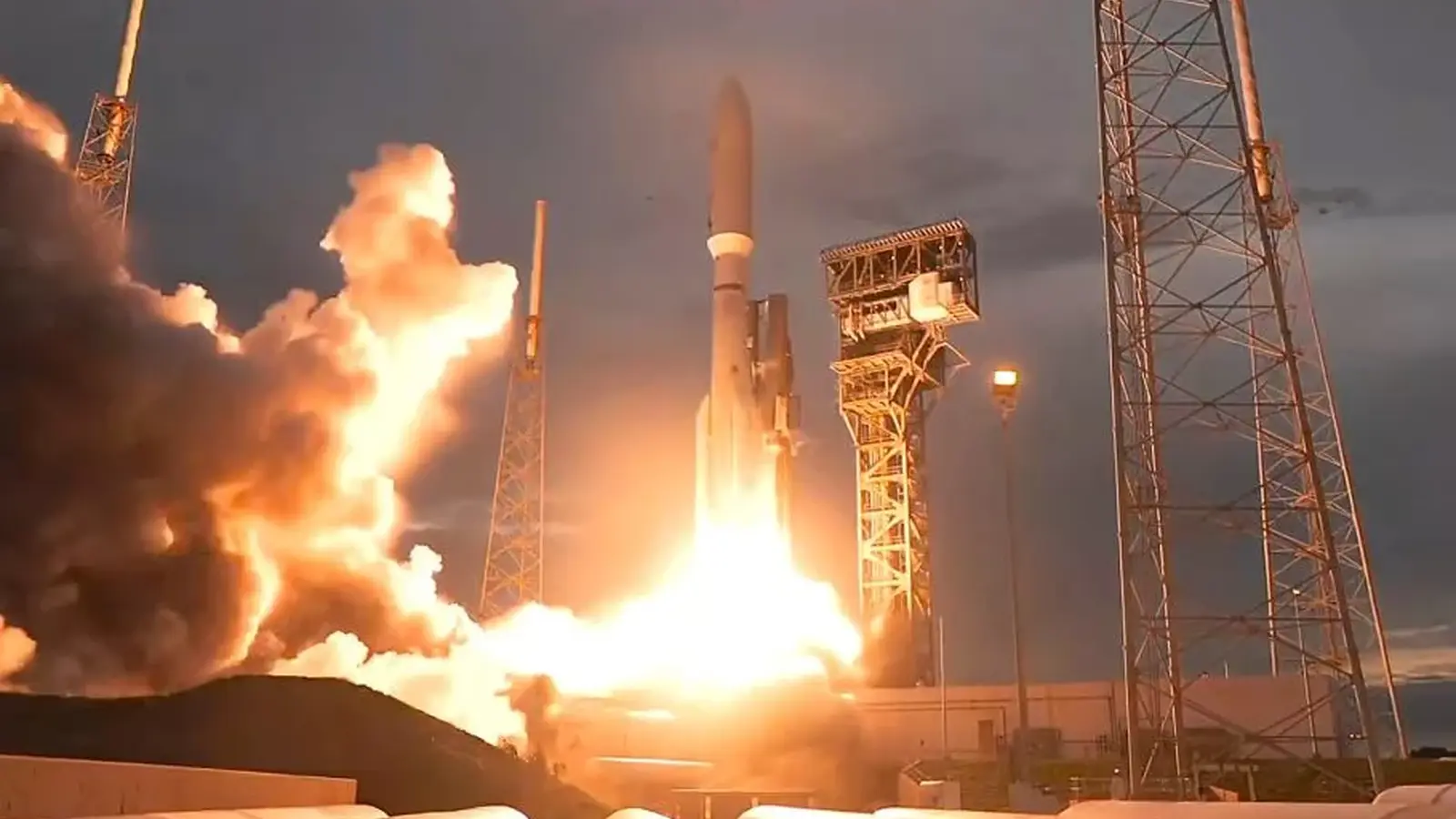
A shockwave of flame and metal erased a mission-critical booster in an instant. Cameras caught a column of smoke, then nothing where a proud launch pad once stood. The New Glenn heavy‑lift rocket, during a routine preflight engine test, detonated on Thursday, destroying its booster—affectionately named "No, It's Necessary"—and leaving Blue Origin facing months of cleanup and uncertainty.
Initial reporting and industry sources say the blast was powerful enough to ruin the launch complex. Engineers had been preparing the test as the final step before a planned launch window. Instead, officials now expect reconstruction of the pad and supporting facilities to take at least six months. That timeline comes from people familiar with the scene who asked not to be named while investigations are ongoing.
How this ripple hits Kuiper and Artemis
The accident does more than stall a single rocket. It threatens a chain of interdependent projects. Amazon's Project Kuiper, the company’s plan to build a low Earth orbit broadband network of roughly 3,200 satellites, was counting on New Glenn to deliver a steady cadence of launches. Amazon needs a burst of launches to meet regulatory and deployment targets, including the goal to place half the constellation by July 2026. With the Federal Aviation Administration pausing New Glenn launches while investigators probe the failure, that schedule is now in jeopardy.
And NASA is watching closely. Blue Origin had been contracted to fly the Blue Moon lander and was awarded work to deliver two lunar payloads for Artemis 4, targeted for 2028. Space missions are tightly choreographed systems; hardware is built to specific mass, vibration, and fairing profiles. Swap the rocket and you may need to redesign interface fittings, re-qualify payloads, and re-run environmental testing. That adds weeks, months, and sometimes years.

Space policy and security bodies have moved to steady the scene. Within hours of the explosion, the U.S. Space Force and the National Reconnaissance Office reiterated plans to continue collaboration with Blue Origin and left a recently signed national security launch contract intact. For now, national security launches remain supported while technical and safety reviews proceed.
Industry reaction was swift and human. SpaceX CEO Elon Musk posted a Latin good wish to his competitor, writing "Ad astra per aspera"—to the stars through difficulties. Beneath the polite well wishes lies hard commercial reality: this accident strengthens SpaceX's dominance in the heavy‑lift and satellite internet markets, at least in the near term.
Why is switching rockets so difficult? Think of a satellite as a tailored suit. The rocket is the tailor. Each design assumes specific stresses during launch, a particular fairing shape, and distinct vibration signatures. Changing launch vehicles can force a complete rework of integration, safety analyses, and regulatory filings. For large constellations or lunar landers, those changes multiply quickly.
Blue Origin now faces a dual task: recover and rebuild the damaged pad, and restore confidence among customers, regulators, and partners. The company has committed to cooperating with investigators and to evaluating program timelines. NASA said it will assess short‑term impacts to lunar plans while maintaining contractual relationships as appropriate.
The wider space sector will watch how swiftly Blue Origin can repair infrastructure, complete the root‑cause analysis, and return to flight. Months of delay are painful. But they can be survived. The coming weeks will reveal whether Blue Origin can translate emergency response into a credible path forward, or whether the vacuum will accelerate rivals into permanent leadership.

“The cosmos has always fascinated me. I write about space missions, astronomy, and the technologies pushing humanity beyond Earth.”

Discussion
Leave a Comment
Comments (2)
is this even true? FAA pause ok, but swapping rockets for Kuiper or Artemis sounds crazy, requalify redesign retest... takes ages, right
wow, that footage is brutal. one second proud pad, next a crater. Blue Origin's got PR nightmares and a long rebuild ahead, yikes