
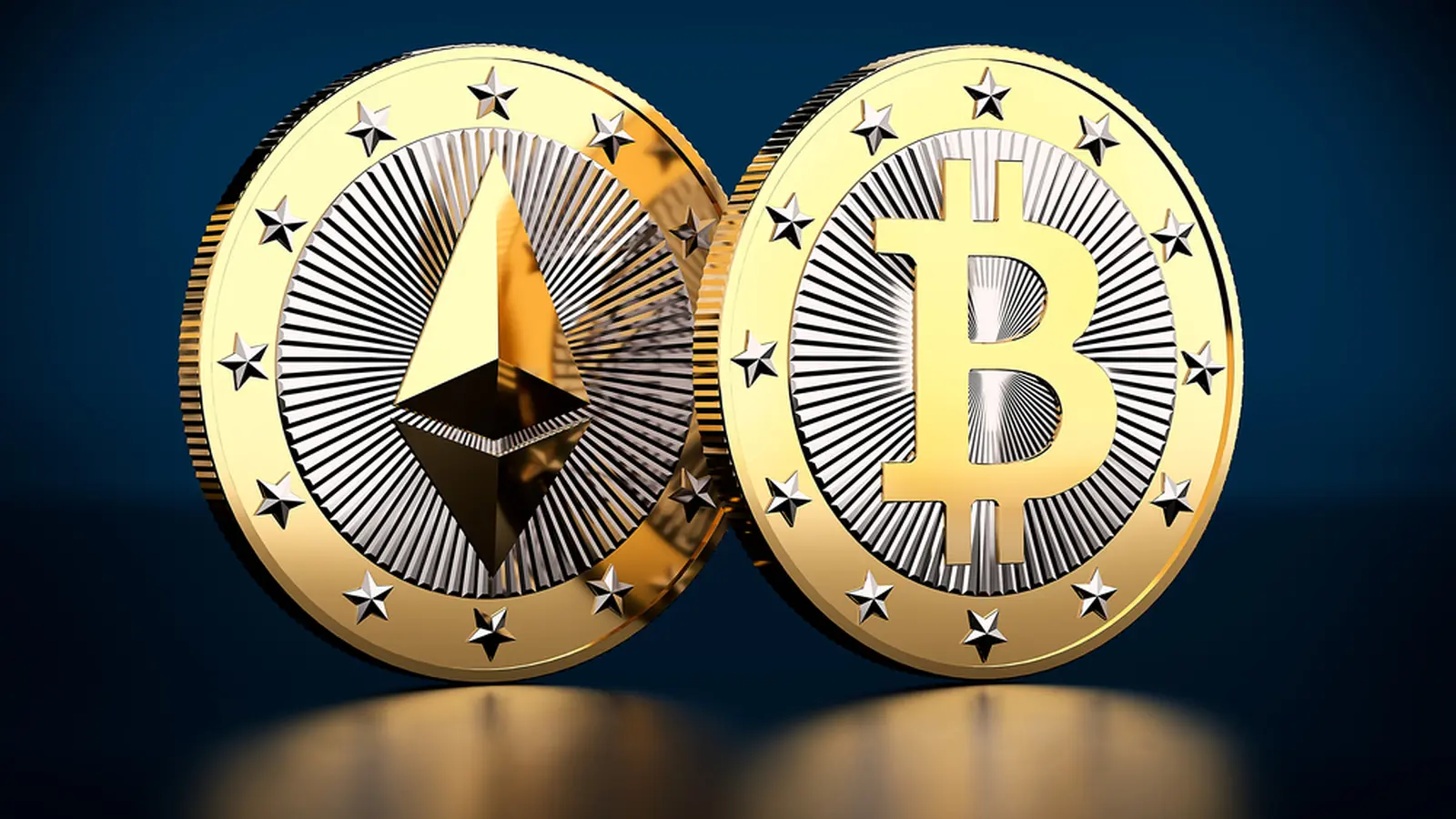
ETH vs BTC performance since the Merge
Since the September 2022 Merge, Ethereum (ETH) has underperformed Bitcoin (BTC), with the ETH/BTC ratio falling roughly 65%. Market veterans are pointing to factors beyond macro cycles — highlighting protocol decisions, staking user experience, and the network's roadmap as key drivers of the decline.
Execution choices and messaging misalignments
Critics argue the Ethereum Foundation prioritized philosophical messaging — particularly the near-total reduction in energy use after the Merge — over concrete product and economic incentives that attract capital. While energy efficiency is important, institutional investors, developers, and retail users have clearer demands: reliable staking returns, faster transaction finality, and lower gas fees.
Staking UX and the 32 ETH barrier
One major shortcoming is the lack of an official, user-friendly staking application. The canonical staking path still requires running a validator with a 32 ETH minimum, which is prohibitive for many retail users. This gap pushed significant staking flows to liquid staking platforms like Lido, raising centralization concerns and moving yield and voting power off the protocol's native staking UX.

Rollups, EIP-4844, and value migration to Layer 2
Ethereum's rollup-centric roadmap and the adoption of EIP-4844 dramatically reduced on-chain gas fees for L1, improving scaling but also lowering Ethereum mainnet fee revenue. As fees fell, transaction value and capital incentives shifted toward Layer 2 rollups, weakening the economic narrative for ETH as the primary value capture layer.
Competitive dynamics and user experience
At the same time, L1 networks such as Solana emphasized speed and integrated user experience, delivering a simpler, faster proposition for many dApps and traders. That contrast has helped rival chains craft stronger narratives for investor capital and developer mindshare.
Outlook: Can sentiment recover?
The market now watches whether the Ethereum Foundation and ecosystem can recalibrate — improving staking accessibility, restoring clearer on-chain value capture, and accelerating developer-friendly upgrades. If Ethereum can balance scalability with stronger economic incentives on L1 and a smoother staking experience, it may regain bullish momentum versus Bitcoin. Otherwise, ETH’s relative weakness could persist.

“I cover automotive innovation, electric vehicles, and the future of mobility — where technology meets sustainability.”

Discussion
Leave a Comment